
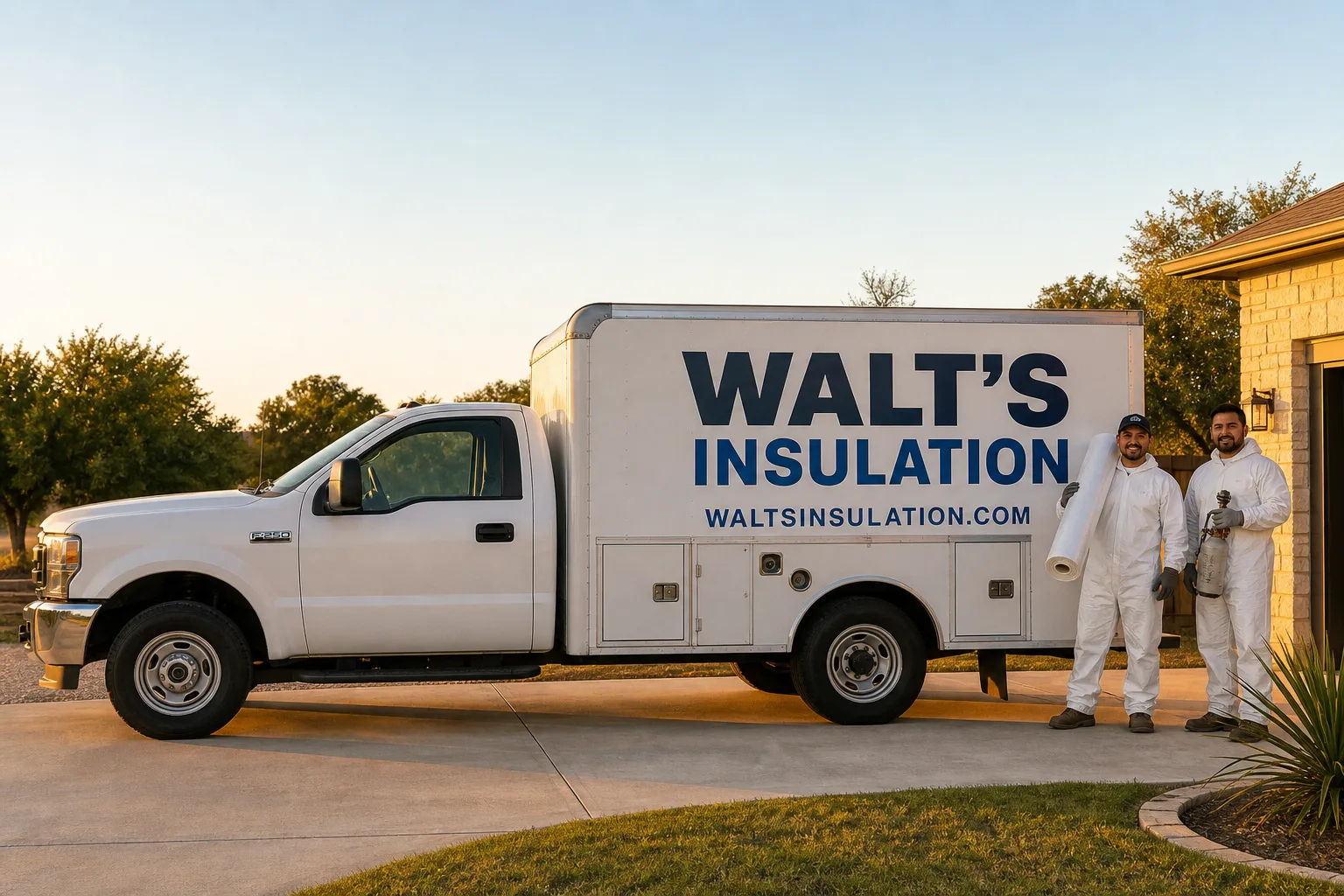
Insulation in Chicago, IL
Crawl space encapsulation and vapor barrier work in Chicago means solving a very specific problem: older homes with damp, open crawl spaces that leak moisture into living areas during summer heat and freeze pipes during polar-vortex winters. Most Chicago homes were built before 1950 with masonry construction and little or no original insulation, which means every job gets custom-spec’d, not pulled off a shelf. If your floors feel cold in January or smell musty in July, call Walt’s Insulation at (866) 751-4428 and we’ll send a background-checked technician to give you a real diagnosis and an honest price.
Why Chicago Homes Are Different
Chicago’s residential fabric is overwhelmingly masonry. The Chicago bungalow belt – tens of thousands of solid-brick, 1.5-story homes built between the 1910s and 1940s in neighborhoods like Bridgeport, Clearing, Jefferson Park, and Back of the Yards – features exterior walls with no stud cavity. Eight-plus inches of solid brick runs from outside to inside plaster. That single fact changes nearly every insulation conversation in this city.
Older two-flats and three-flats on the North Side present a different complication: balloon-frame construction with continuous stud bays that run from basement to attic. Chicago code enforces fire-blocking requirements in those bays independently of state code, so any wall or attic job has to be coordinated carefully. Layer in a climate that swings more than 100 degrees between January wind chills below -20°F and July heat-index readings near 100°F, plus Lake Michigan’s persistent onshore winds accelerating heat loss through any air gap, and you’ll understand why insulation in Chicago is not a template job. Vapor retarder placement in masonry walls is a high-stakes decision here. Get it wrong and you trap moisture inside brick, which spalls and deteriorates over time.
Our Main Chicago Services
Two services draw the most calls from Chicago homeowners: attic insulation and crawl space encapsulation. Here’s what each one actually involves in this city.
Attic Insulation in Chicago
Most pre-1950 Chicago attics have either no insulation or a thin layer of rock wool that settled decades ago. Air leaks around top plates, can lights, and chimney chases pull heated air out of the house all winter, which is why you’ll see ice dams on bungalow roofs after a heavy snow. We inspect the full attic floor, seal the bypasses, and install insulation to the R-value Chicago’s climate actually demands. For the full breakdown, see Attic Insulation in Chicago.
What happens when you call
- 1
A real person answersNo phone trees - you reach a local pro.
- 2
You get an upfront price rangeHonest numbers before anyone is dispatched.
- 3
A background-checked tech heads outLicensed & insured, dispatched right away.
- 4
You approve before work beginsNothing starts until you say go.
Crawl Space Encapsulation & Vapor Barrier in Chicago
Crawl space encapsulation in Chicago means sealing a dirt or concrete crawl space so ground moisture stops migrating into your floor framing and living space. Chicago summers push humidity to oppressive levels, and an open crawl space becomes a reservoir of damp air that feeds mold, rots joists, and makes your AC work harder. In winter, that same unsealed space lets cold air pipe through floor gaps and freeze pipes along exterior walls. The fix is a full encapsulation system: heavy-duty vapor barrier on the floor and up the foundation walls, sealed seams, and closed-cell insulation on the rim joist area. It’s the kind of job we’ve done hundreds of times in bungalow-belt neighborhoods, and it transforms how the first floor feels. See more about our Crawl Space Encapsulation & Vapor Barrier work.
Crawl Space Vapor Barrier
Signs you need it
You smell must or dampness near the first floor, hardwood floors cup or buckle in summer, or you can see exposed dirt and condensation on foundation walls when you peek into the crawl space.
What it costs in Chicago
A vapor barrier alone in a typical Chicago crawl space runs $1,200 to $3,200 depending on square footage and access.
How we do it
We clean the floor of debris, lay a reinforced poly barrier up the walls, and mechanically fasten it with sealed seams. Piers and plumbing penetrations get wrapped and taped so no ground moisture escapes.
Crawl Space Encapsulation
Signs you need it
You’ve got standing water after rain, visible mold on joists, or persistent humidity above 60% in the crawl space even during dry spells.
What it costs in Chicago
Full encapsulation in Chicago typically runs $3,500 to $8,000 for an average single-family home, including wall barrier, floor barrier, and rim joist sealing.
How we do it
We seal the full envelope: floor and wall barrier, all seams taped, piers wrapped, and the rim joist area air-sealed and insulated. With a dehumidifier, the space becomes a dry, conditioned zone that no longer fights your HVAC.
What Crawl Space Encapsulation & Vapor Barrier Costs in Chicago
| Item | Typical range in Chicago |
|---|---|
| Crawl space vapor barrier (floor and walls) | $1,200 - $3,200 |
| Full crawl space encapsulation | $3,500 - $8,000 |
| Rim joist air sealing and insulation | $1,500 - $3,000 |
| Crawl space cleanout and prep | $400 - $1,000 |
Does crawl space encapsulation help with Chicago winter pipe freezing?
Yes. Sealing the crawl space and insulating the rim joist blocks the cold air that reaches pipes along exterior walls. It’s the single most effective thing you can do for pipe-freeze prevention in a Chicago home with a crawl space.
How long does crawl space encapsulation take in Chicago?
Most Chicago crawl spaces are done in one to two days. Tight access, standing water, or extensive debris removal can push that to three. Call (866) 751-4428 for a same-week inspection and a fixed-price quote.
Spray Foam Insulation in Chicago
Spray foam in Chicago is often the only practical answer for two problems this city throws at us constantly: solid-brick walls with no cavity, and balloon-frame buildings with air leaking through every floor. Closed-cell foam adds structural strength and an air seal in one pass, and it’s the standard recommendation for Chicago bungalow rim joists where winter air infiltration is worst. In neighborhoods from Jefferson Park to Clearing, spray foam delivers the biggest comfort jump per square foot of any insulation we install. Read more on our Spray Foam Insulation hub.
Rim Joist Spray Foam
Signs you need it
Your first floor is noticeably colder than the rest of the house in winter, or you’ve found mouse droppings and drafts around the perimeter of the basement or crawl space.
What it costs in Chicago
Rim joist spray foam in a typical Chicago home runs $1,200 to $2,800 depending on linear footage and access.
How we do it
We clean the rim joist bays and spray closed-cell foam to fill the entire cavity, sealing air and vapor in one application. The difference on a January night is immediate.
Open-Cell Spray Foam
Signs you need it
You have an accessible attic or vaulted ceiling that’s under-insulated, and blown-in fiberglass or cellulose keeps settling or blowing around.
What it costs in Chicago
Open-cell spray foam in Chicago runs $0.80 to $1.50 per board foot installed, which works out to $2,400 to $4,500 for a typical 1,500-square-foot attic.
How we do it
We spray open-cell foam across the attic floor or roofline to create a continuous air barrier and R-value in one pass. It fills every irregular cavity brick and mortar leave behind.
What Spray Foam Insulation Costs in Chicago
| Item | Typical range in Chicago |
|---|---|
| Rim joist spray foam | $1,200 - $2,800 |
| Open-cell spray foam (attic) | $2,400 - $4,500 |
| Closed-cell spray foam (walls or roof deck) | $1.50 - $3.00 per board foot |
| Garage ceiling spray foam | $900 - $2,200 |
Is spray foam safe in an old Chicago brick home?
Yes, when installed correctly. Closed-cell foam against brick needs the right vapor profile so the wall can dry to the outside. Our technicians understand Chicago masonry and we’ve been doing this work since the company was founded in 2000.
Can you spray foam the walls of a Chicago bungalow?
In most cases, yes. Solid brick bungalow walls have no cavity, so we either build a stud wall on the interior and spray foam into it, or apply exterior continuous insulation. We’ll tell you which makes sense for your house.
Blown-In Insulation in Chicago
Blown-in insulation in Chicago works best in attics with open floor framing – which is most of this city’s housing stock. Homes built before 1950 in neighborhoods like Back of the Yards and Bridgeport often have nothing up there but a few inches of settled rock wool. Blowing in cellulose or fiberglass over an air-sealed attic floor is the single most cost-effective energy upgrade a Chicago homeowner can make, and it pays back fast when winter wind chills drop below zero. Our crews use Owens Corning and GreenFiber products depending on the application. See Blown-In Insulation for the full service details.
Blown-In Cellulose
Signs you need it
Your attic has less than 6 inches of insulation, your upstairs rooms won’t hold heat in winter, or your heating bills jump every January.
What it costs in Chicago
Blown-in cellulose in a typical Chicago attic runs $1,600 to $3,400 for a full R-49 installation, including attic prep.
How we do it
We air-seal the attic floor first, then blow GreenFiber cellulose to a consistent depth using a calibrated machine. Every bay gets checked for even coverage before we leave.
Blown-In Top-Up
Signs you need it
You already have some insulation but it’s settled below the top of the joists, or you notice cold spots near exterior walls in upstairs rooms.
What it costs in Chicago
A top-up over existing insulation in Chicago runs $900 to $2,000 depending on current depth and attic size.
How we do it
We blow a fresh layer over the existing material to bring the total depth to code-recommended R-value. No removal needed unless the old material is wet or contaminated.
What Blown-In Insulation Costs in Chicago
| Item | Typical range in Chicago |
|---|---|
| Blown-in cellulose (full attic, R-49) | $1,600 - $3,400 |
| Blown-in fiberglass (full attic, R-49) | $1,800 - $3,600 |
| Blown-in top-up over existing | $900 - $2,000 |
| Dense-pack wall insulation (where cavity exists) | $2,000 - $4,500 |
Can you blow insulation into Chicago bungalow walls?
No – most Chicago bungalows have solid brick walls with no stud cavity. There is literally nowhere to blow insulation. We’ll recommend interior rigid foam board or exterior continuous insulation instead, and we’ll show you exactly what that costs.
How much does blown-in attic insulation save in Chicago?
Chicago homeowners typically see 15 to 30 percent lower heating bills after a full attic air-seal and blown-in insulation job. The payback in this polar-vortex climate is faster than almost anywhere else in the country.
Radiant Barrier Installation in Chicago
Radiant barrier in Chicago works differently than it does in Texas or Arizona. Here, it’s most effective in summer, reflecting radiant heat away from the attic and keeping upstairs rooms from turning into ovens during those 90-degree July days near the lake. In winter, it provides a modest benefit by reducing radiant heat loss through the roof deck, but the real story is keeping summer cooling bills down in a city where window AC units and central air both work hard for three straight months. For Chicago attics with hot upper floors and poor ventilation, it’s a strong add-on. Our Radiant Barrier Installation page has the full breakdown.
Attic Radiant Barrier
Signs you need it
Your upstairs rooms run 10 to 15 degrees hotter than downstairs in summer, or your AC runs constantly on sunny afternoons.
What it costs in Chicago
Attic radiant barrier in Chicago runs $1,200 to $2,800 for an average attic, installed on the underside of the roof deck.
How we do it
We staple a reflective foil layer to the bottom of the rafters, leaving an air gap that’s critical for the reflective surface to work. This reflects radiant heat before it soaks into your attic insulation.
Radiant Barrier & Ventilation
Signs you need it
Your attic traps heat even after sunset, soffit vents are blocked, or you’ve got ice dams forming in winter from a hot roof deck.
What it costs in Chicago
Combining radiant barrier with ventilation improvements in Chicago typically runs $1,800 to $4,000 depending on existing soffit and ridge vent conditions.
How we do it
We add or clear ventilation pathways first, then install the radiant barrier so air can still move freely along the roof deck. This pairing keeps the attic cooler in summer and drier in winter.
What Radiant Barrier Installation Costs in Chicago
| Item | Typical range in Chicago |
|---|---|
| Attic radiant barrier (roof deck underside) | $1,200 - $2,800 |
| Radiant barrier foil with ventilation upgrade | $1,800 - $4,000 |
| Radiant barrier roof deck (new construction) | $0.80 - $1.50 per square foot |
Does radiant barrier help in a Chicago winter?
Marginally. It reflects some radiant heat back toward the living space, which helps a little. But in Chicago, air sealing and conventional insulation do the heavy lifting for winter comfort. Radiant barrier earns its keep in summer.
Is radiant barrier worth it if I already have good attic insulation?
If your upstairs still overheats in summer despite adequate insulation, yes. Radiant barrier addresses a different heat-transfer mechanism. Call (866) 751-4428 and we’ll tell you honestly if your attic would benefit.
Insulation Removal & Replacement in Chicago
Insulation removal in Chicago is frequently a health or safety job, not just an upgrade. Older homes here often have vermiculite, bat or mouse droppings, or water-damaged fiberglass from decades of ice dams and roof leaks. Removing the old material properly means containing the dust, bagging it, and disposing of it according to Chicago’s waste rules. Then we replace it with fresh material sized for this climate. On the North Side, where balloon-frame construction is common, removal gives us the chance to fire-block continuous stud bays before installing new insulation – a code requirement many homeowners don’t know about. Read our Insulation Removal & Replacement guide for specifics.
Vermiculite & Old Insulation Removal
Signs you need it
You’ve got an attic with vermiculite or loose material that may predate 1990, or you’re planning a remodel and the existing insulation has been disturbed.
What it costs in Chicago
Vermiculite removal in Chicago runs $4,000 to $9,000 for a typical attic, depending on depth and access.
How we do it
We set up negative-air containment, remove the material with a HEPA-filtered vacuum system, and dispose of it per local hazardous-materials guidance. The space is then ready for new insulation.
Contaminated Insulation Removal
Signs you need it
You’ve found raccoon, squirrel, or pigeon droppings in the attic, or a roof leak has soaked the insulation and caused mold growth.
What it costs in Chicago
Contaminated insulation removal in Chicago typically runs $2,500 to $5,500 including sanitizing and disposal.
How we do it
We bag the contaminated material on site, HEPA-vacuum the framing, and sanitize the area before installing fresh insulation. Uniformed, background-checked technicians handle the entire job.
What Insulation Removal & Replacement Costs in Chicago
| Item | Typical range in Chicago |
|---|---|
| Attic insulation removal (standard) | $1,500 - $3,500 |
| Contaminated insulation removal and sanitizing | $2,500 - $5,500 |
| Vermiculite removal | $4,000 - $9,000 |
| Full attic removal and replacement | $3,500 - $8,000 |
Is vermiculite insulation common in Chicago homes?
Yes. Many pre-1960 Chicago homes have vermiculite in the attic. If you’re unsure what you have, don’t disturb it. Call us for an inspection and we’ll identify it and quote removal if needed.
Do I need to remove old insulation before adding new?
Not if it’s dry and uncontaminated. We can blow new material right over settled fiberglass or cellulose. Removal is for water damage, animal contamination, or vermiculite. We’ll tell you which path yours needs.
Attic Air Sealing in Chicago
Attic air sealing in Chicago addresses the single biggest energy leak in most of this city’s homes: the gaps around top plates, plumbing penetrations, can lights, and the attic hatch. Lake Michigan’s onshore winds push conditioned air out of those gaps all winter, and the stack effect pulls cold air in through the basement. Sealing the attic floor before adding insulation is the difference between a job that cuts bills 20 percent and one that barely moves the needle. In brick bungalows, where the walls can’t be insulated, air sealing is often the only meaningful winter improvement available. Our Attic Air Sealing page covers the details.
Top Plate & Penetration Sealing
Signs you need it
You see dirty insulation around plumbing vents or chimney chases, or you feel drafts around second-floor ceiling fixtures in winter.
What it costs in Chicago
Top plate and penetration sealing in Chicago runs $600 to $1,500 for a typical attic, including all accessible gaps.
How we do it
We pull back insulation along exterior walls and seal every top plate, plumbing vent, wire penetration, and chimney chase with foam or caulk rated for the gap size.
Attic Hatch Sealing
Signs you need it
The attic access door has no weatherstripping, you can see light around the edges from below, or the hatch area is casually warm in summer and cold in winter.
What it costs in Chicago
Attic hatch sealing and insulation in Chicago runs $250 to $600 depending on hatch size and whether we build an insulated cover.
How we do it
We weatherstrip the perimeter, add an insulated cover, and seal any gaps in the framing around the hatch. This one small fix stops a surprising amount of air movement.
What Attic Air Sealing Costs in Chicago
| Item | Typical range in Chicago |
|---|---|
| Top plate and penetration sealing | $600 - $1,500 |
| Can light and duct boot sealing | $300 - $800 |
| Attic hatch sealing and insulation | $250 - $600 |
| Full attic air sealing package | $1,200 - $2,800 |
Does attic air sealing make a difference in a Chicago bungalow?
Yes, and it’s often the biggest available win. Since solid brick walls can’t be insulated, stopping air leaks through the attic floor is the most effective way to cut winter heat loss in a Chicago bungalow.
How much can I save with attic air sealing in Chicago?
Most Chicago homes save 10 to 20 percent on annual heating and cooling after a full attic air-seal. We quote the sealing and the insulation together so you see the real project cost, not a teaser number.
Wall Insulation in Chicago
Wall insulation in Chicago is one of the most misunderstood services we sell, because tens of thousands of this city’s homes were built without a wall cavity. Chicago bungalows are solid brick from exterior to interior plaster – there is no cavity to fill with blown-in or injection foam. For those homes, the real options are interior rigid foam board systems, which require building out the wall and losing a few inches of floor space, or exterior continuous insulation wraps that change the look of the house. Both are specialized work that many insulation companies in neighboring markets never learn, because their housing stock has wood-framed walls. For the two-flats and frame homes where a cavity does exist, drill-and-fill or injection foam works well. See Wall Insulation for the full scope.
Interior Wall Insulation
Signs you need it
Your brick bungalow walls are cold to the touch in winter, or you’ve got condensation and mold forming on interior plaster near exterior walls.
What it costs in Chicago
Interior wall insulation in a Chicago masonry home runs $8,000 to $20,000 depending on square footage and whether new drywall is included.
How we do it
We build a stud wall inside the masonry, install closed-cell or rigid foam board insulation with the correct vapor profile, and re-hang drywall. The room loses about 3 inches on each exterior wall.
Drill & Fill Wall Insulation
Signs you need it
Your home is wood-framed (many Chicago two-flats are) and the walls are empty, evidenced by cold exterior walls and high heating bills.
What it costs in Chicago
Drill-and-fill wall insulation in Chicago runs $2,500 to $5,000 for a typical two-flat, depending on cavity accessibility.
How we do it
We drill small access holes in each stud bay, either from inside or outside, and pack the cavity with dense-pack cellulose or injection foam. Holes are patched and painted to match.
What Wall Insulation Costs in Chicago
| Item | Typical range in Chicago |
|---|---|
| Drill-and-fill wall insulation (wood frame) | $2,500 - $5,000 |
| Injection foam wall insulation | $3,000 - $6,000 |
| Interior rigid foam board (masonry home) | $8,000 - $20,000 |
| Exterior continuous insulation wrap | $15,000 - $35,000 |
Can you insulate a Chicago bungalow’s walls?
Yes, but not with blown-in insulation. Solid brick bungalows need interior rigid foam board or an exterior insulation wrap. We’ll inspect your walls and show you the options with honest pricing for each.
Is exterior wall insulation worth the cost in Chicago?
For masonry homes with no cavity, exterior continuous insulation is the most thermally effective option. It’s a bigger investment but it also improves air sealing and protects the brick from freeze-thaw damage. Call for a straight conversation about payback.
Attic Cleaning & Rodent Proofing in Chicago
Attic cleaning and rodent proofing in Chicago is a seasonal pattern we know well. Every fall, rats and mice move into warm attics across the city, and squirrels are a year-round problem in neighborhoods with mature trees like Jefferson Park and parts of the North Side. Before any new insulation goes in, the space has to be cleaned, decontaminated, and sealed against re-entry. That last step – the exclusion work – is what separates a job that solves the problem for good from one that just removes the mess temporarily. Our Attic Cleaning & Rodent Proofing page explains the full process.
Rodent Proofing & Exclusion
Signs you need it
You hear scratching in the ceiling at night, find droppings in the attic, or see gnawed wiring and insulation tunnels.
What it costs in Chicago
Rodent proofing and exclusion in Chicago runs $800 to $2,500 depending on the number of entry points and roof access difficulty.
How we do it
We identify every entry point – roofline gaps, soffit intersections, chimney gaps – and seal them with metal flashing, hardware cloth, and foam where appropriate. Then we set the space up to stay pest-free.
Attic Sanitizing & Decontamination
Signs you need it
There’s an odor from animal waste, visible droppings or urine staining on insulation, or you’re worried about allergens in the air after a rodent problem.
What it costs in Chicago
Attic sanitizing and decontamination in Chicago typically runs $1,200 to $3,000 including contaminated insulation removal.
How we do it
We remove contaminated insulation, HEPA-vacuum the framing, apply an enzyme treatment to neutralize odor and bacteria, and prep the space for new insulation.
What Attic Cleaning & Rodent Proofing Costs in Chicago
| Item | Typical range in Chicago |
|---|---|
| Attic cleanout (debris and old insulation) | $800 - $2,000 |
| Sanitizing and decontamination | $1,200 - $3,000 |
| Rodent proofing and exclusion | $800 - $2,500 |
| Full attic restoration (clean, seal, insulate) | $3,000 - $7,000 |
Why do rats and squirrels keep coming back in my Chicago attic?
Because the entry points were never sealed. You can remove animals repeatedly, but if the gaps in your roofline or soffits stay open, new ones will move in every fall. Exclusion work is the permanent fix.
Can you clean my attic and install new insulation the same week?
Usually yes. We can typically do the cleanout and decontamination on day one, then install new insulation as soon as the space is dry and prepped. Call (866) 751-4428 to schedule a walkthrough.
Home Energy Audit in Chicago
A home energy audit in Chicago is the fastest way to get an honest, room-by-room picture of where your heat is leaking and what to fix first. Given the city’s climate – winter wind chills below -20°F and summer heat that will fry an uninsulated brick home – an audit pays for itself in avoided guesswork. We run blower door tests, thermal imaging, and visual inspections of the attic, walls, and crawl space, then hand you a prioritized list with real numbers. For the details, see Home Energy Audit.
Blower Door Test
Signs you need it
Your energy bills are much higher than neighbors with similar homes, or you’ve got drafts you can’t locate despite trying.
What it costs in Chicago
A blower door test in Chicago runs $250 to $500 as part of a full audit, depending on home size.
How we do it
We mount a calibrated fan in an exterior door frame, depressurize the house, and measure total air leakage. This gives us a baseline number to beat after sealing work.
Thermal Imaging Inspection
Signs you need it
You’ve got cold spots on walls, ice dams forming on the roof edges, or rooms that never reach the set temperature.
What it costs in Chicago
Thermal imaging as part of a Chicago energy audit runs $150 to $400, often bundled with the blower door test.
How we do it
We scan walls and ceilings with an infrared camera to find missing insulation, air leaks, and moisture that a visual inspection would miss. The images go into your report so you can see the problems yourself.
What Home Energy Audit Costs in Chicago
| Item | Typical range in Chicago |
|---|---|
| Full home energy audit (with blower door) | $400 - $900 |
| Blower door test alone | $250 - $500 |
| Thermal imaging add-on | $150 - $400 |
| Duct leakage test | $200 - $450 |
Is a home energy audit worth it before I insulate?
Yes, especially in Chicago. Without one, you’re guessing. With one, you get a measured, prioritized list of fixes – air leaks, missing insulation, duct problems – so your money goes where it actually matters.
Do you offer energy audits for Chicago two-flats?
We audit both units and common areas. Two-flats have their own leak patterns, especially balloon-frame buildings with shared wall cavities. Call (866) 751-4428 and we’ll set up a full building assessment.
Brands We Service in Chicago
We install and service products from Owens Corning, Johns Manville, Demilec, and GreenFiber, so parts and materials are stocked locally and available on short notice. Turnaround on most Chicago jobs is same-week. Visit our brands to see the full lineup and warranty details.
Pricing for Insulation in Chicago, IL
| Service | Typical range in Chicago |
|---|---|
| Crawl space vapor barrier | $1,200 - $3,200 |
| Full crawl space encapsulation | $3,500 - $8,000 |
| Rim joist spray foam | $1,200 - $2,800 |
| Open-cell spray foam attic | $2,400 - $4,500 |
| Blown-in cellulose attic (R-49) | $1,600 - $3,400 |
| Attic radiant barrier | $1,200 - $2,800 |
| Insulation removal and replacement | $3,500 - $8,000 |
| Full attic air sealing | $1,200 - $2,800 |
| Wall insulation (drill-and-fill) | $2,500 - $5,000 |
| Attic cleaning and rodent proofing | $800 - $2,500 |
| Home energy audit | $400 - $900 |
Prices in Chicago push higher when access is tight (many bungalow attics have narrow hatch openings), when masonry work is involved, or when rodent contamination requires full removal and sanitizing. Every job gets a fixed-price quote before work starts – no hourly surprises, no lowball that creeps up after we’re on site.
Neighborhoods We Serve in Chicago
Walt’s Insulation crews work across the full city, from the bungalow belt on the South and Southwest Sides to the two-flat corridors on the North Side. We know the building types and the code quirks of each area, and we show up when we say we will.
- Bridgeport
- Clearing
- Jefferson Park
- Back of the Yards
- Rogers Park
Dispatch and scheduling are coordinated from the brand’s Chicago office, so we can usually get a technician to most neighborhoods same-day or next-day when the job is urgent.
Serving Chicago, IL - Our Local Coverage Area
We’re based in the Chicago area and know this community well. Use the map below to see our service coverage - if you’re nearby, we can almost certainly help.
Service Area - Cities Near Chicago
Our crews run jobs in the close-in suburbs as well. If you’re in Oak Park, IL or Oak Lawn, IL, we’re familiar with the older masonry housing stock there too.
FAQs About Insulation in Chicago, IL
How fast can we get scheduled for insulation work in Chicago?
We schedule most Chicago jobs within one to two weeks of finalizing the estimate, sooner in slower months and a bit longer during the pre-winter and mid-summer rush. A typical attic job takes a single day; full crawl space encapsulation can run one to three days depending on size and access.
Do we need a permit for attic or wall insulation in Chicago?
Chicago enforces its own fire-blocking code for wall cavities independently of state requirements, which matters most in older balloon-frame two-flats and three-flats. We coordinate any required fire-blocking as part of a wall insulation job, and standard attic insulation typically doesn’t require a separate permit.
How does the written estimate work before you start?
We inspect the attic, crawl space, or walls in person or from photos you send us, then give you a written estimate with the full scope and price before any work starts. That price doesn’t change once the job begins unless you ask us to add something partway through.
Do you also work outside Chicago?
Yes. Along with Chicago, our crews regularly work in Houston, Spring, The Woodlands, Katy, Pearland, and Humble, so if you own or manage multiple properties across that broader area, we can schedule them together instead of booking separate visits.
What happens to the old insulation you remove?
We bag and haul away insulation that’s failed, wet, moldy, or damaged by rodents as part of the removal cost already listed on your estimate, and we dispose of it properly. We don’t install new material over contaminated insulation without addressing the underlying problem first.
Frequently Asked Questions
What happens when you call
- 1A real person answersNo phone trees - talk to a local insulation pro.
- 2You get an upfront price rangeHonest numbers before anyone is dispatched. No surprises.
- 3A background-checked tech heads outLicensed & insured, typically within 30-60 min.
- 4You approve before work beginsNothing starts until you say go.
What Chicago Customers Say
"The house had rats in the attic insulation and a smell we could not place. Walt's crew pulled all of it, sealed the gaps where they were getting in, sanitized, and put in new blown-in. He sent photos of the sealed openings so I could see it done."
- Rosa Delgado"Walt came out himself, stuck his head in the attic, and told me I had about four inches where I needed fourteen. No sales pitch, just the number and what it would cost to fix it. Crew was here two days later."
- Carl Meadows"We had the walls of our old house filled with foam through small holes from the outside. Patched and painted the same afternoon. The bedrooms hold heat now and the furnace runs a lot less."
- Linda Baumgartner