
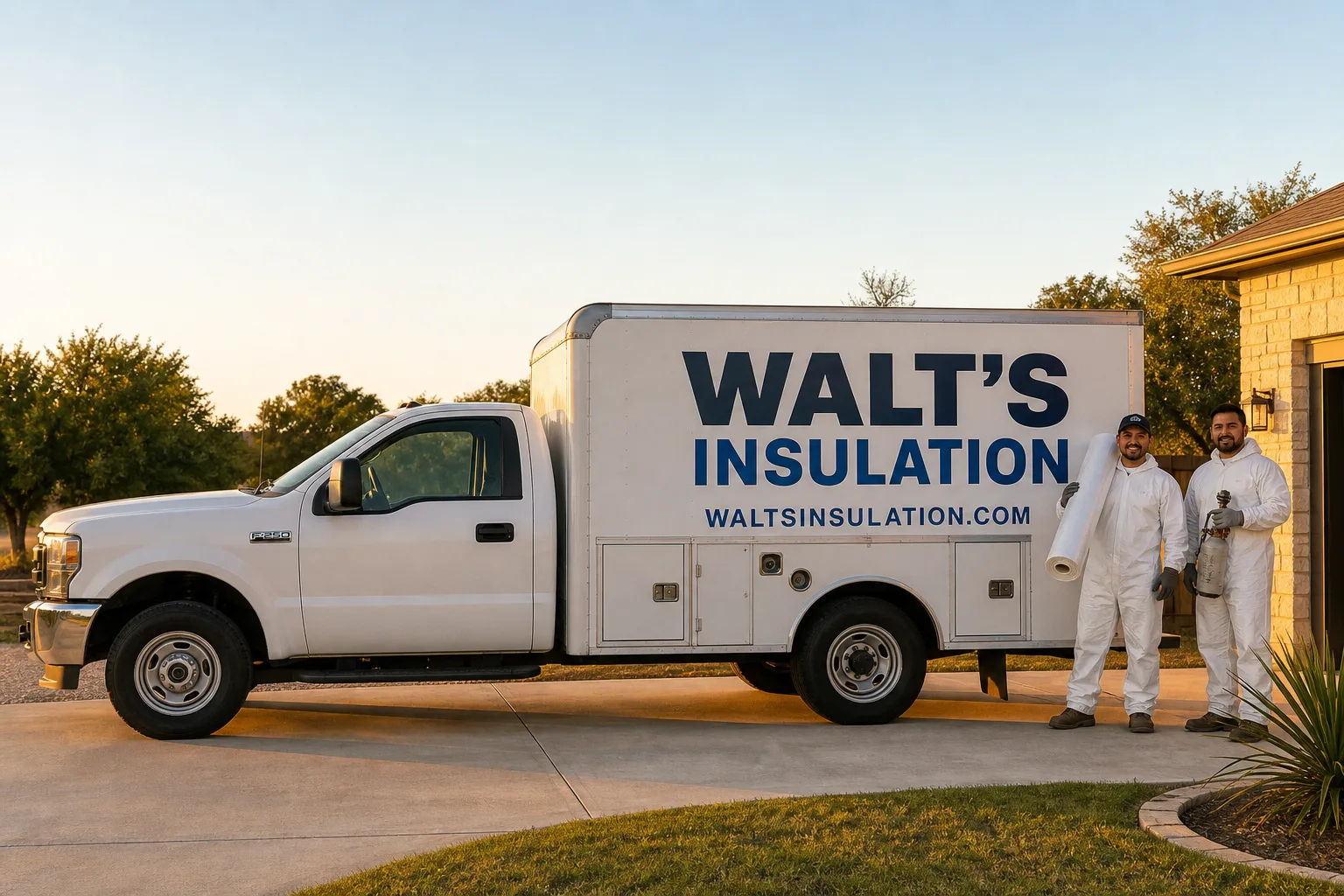
Fast, Reliable Attic Insulation Across Miami
Attic insulation in Miami costs between $1,800 and $6,500 for a typical 1,200 to 2,000 square foot single-family home, and the work can usually be scheduled within a few days. That’s the direct answer. The longer answer: Miami isn’t like most insulation markets. Our climate, our concrete block homes, and our building code all push insulation decisions in a very specific direction, and getting it wrong costs you money every single month on your FPL bill, plus invites mold behind your ceilings. If you’re reading this from Coral Gables, Coconut Grove, Kendall, or Little Havana and your AC runs nonstop from May through October, call our team at (866) 751-4428. Walt’s Insulation has been doing this work since 2000, and we answer the phone with a live person every time you call.
Why Walt’s Insulation Is Miami’s Preferred Attic Insulation Company
We’re not a franchise. Walt’s Insulation is the one down the road: locally owned and owner-operated with a published address and license number, founded in 2000 by Walt Brenner and still run by him today. When you call, a real person answers, 24/7, no voicemail tree and no answering service. That matters in Miami, where humidity problems don’t wait for business hours and neither do we.
Our technicians are background-checked and wear uniforms, so when one of our trucks pulls up to a house near Coral Way or Flagami, you know exactly who’s walking through your door. Miami homeowners tell us they’ve been burned before by vague quotes and crews that never showed. We hear that from families in Westchester, Hialeah, and Kendall regularly. Our standing offer is a free second opinion on any written estimate, no trip charge inside our county, and a permanent 10% discount for seniors and veterans. You’ll find our work throughout Miami, from older CBS homes to newer builds near Dadeland.
Our Attic Insulation Services in Miami
Blown-In Attic Insulation
Blown-in insulation still has a place in Miami, but it’s more common for attics that already have a proper air seal and vapor management plan. We typically install blown-in fiberglass or cellulose, brands like Owens Corning and GreenFiber, when attic floors need topping up or when a home’s roof deck is already conditioned. For many Miami homes with open, unconditioned attics and sweating ductwork, blown-in fiberglass on the attic floor traps moisture and accelerates deck rot in Florida’s humid climate. We’ll tell you straight if blown-in is right for your house or if closed-cell foam on the roofline is the better call.
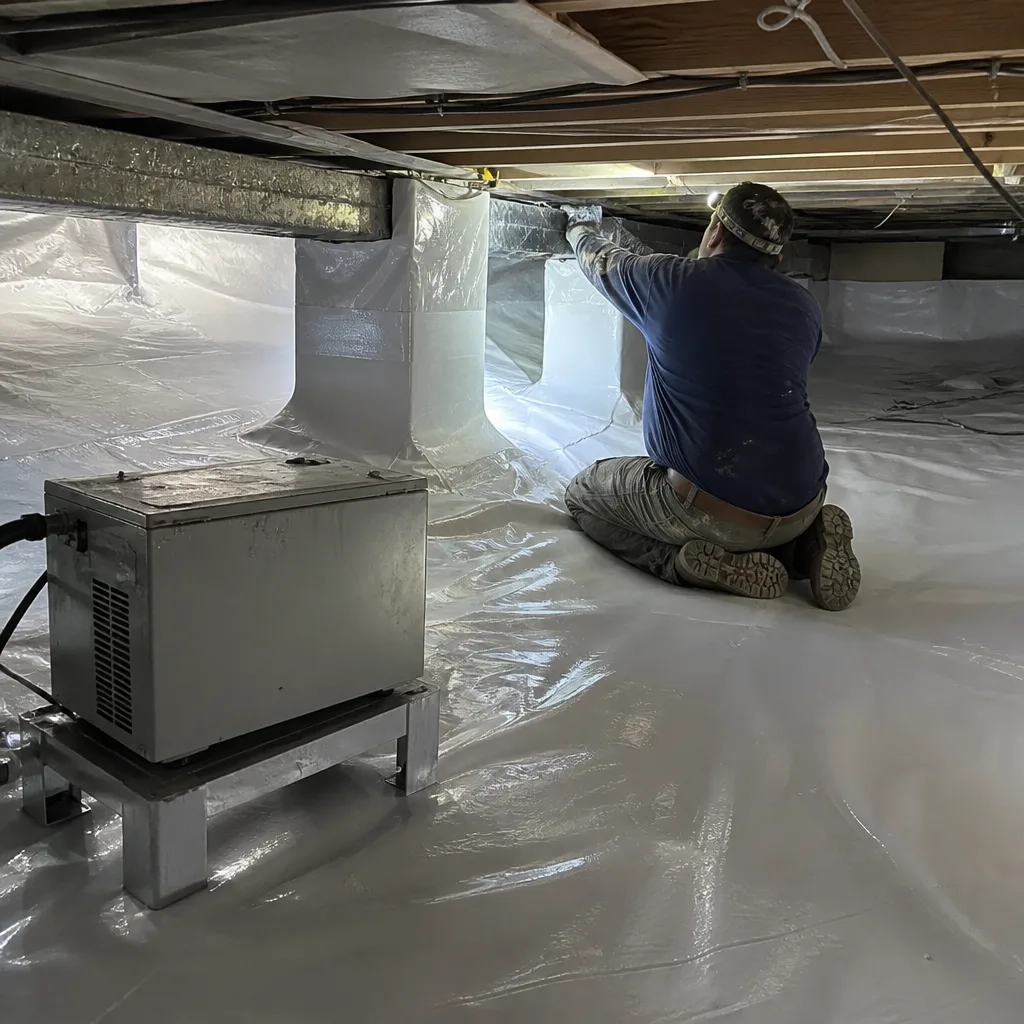
Attic Batt Insulation
Batt insulation works in specific Miami scenarios: cathedral ceilings, knee walls, or areas where we need a clean, accessible cavity fill. We install Johns Manville and CertainTeed batts and take care to cut around can lights, electrical boxes, and plumbing stacks properly. A bad batt job with gaps and compression is worse than no insulation at all, especially in Miami, where hot, moisture-laden air finds every seam.
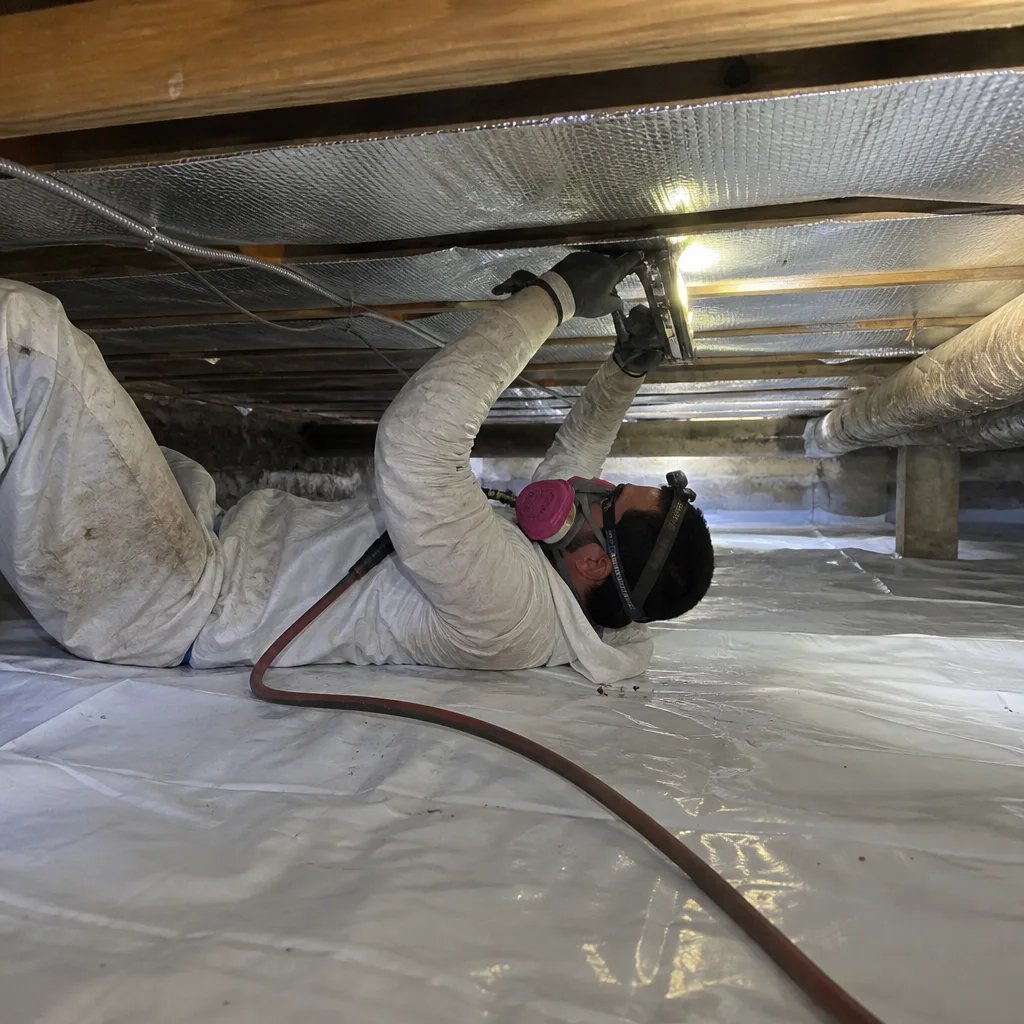
Attic Insulation Top-Up
If your attic already has insulation but it’s compressed, uneven, or just not thick enough for today’s standards, a top-up might be the most cost-effective move. In Miami, an attic top-up ranges from $900 to $2,200 depending on square footage and existing material. We’ll measure, check for air leaks at the top plates and penetrations, and then blow additional insulation to bring you up to the right level for IECC Climate Zone 1.
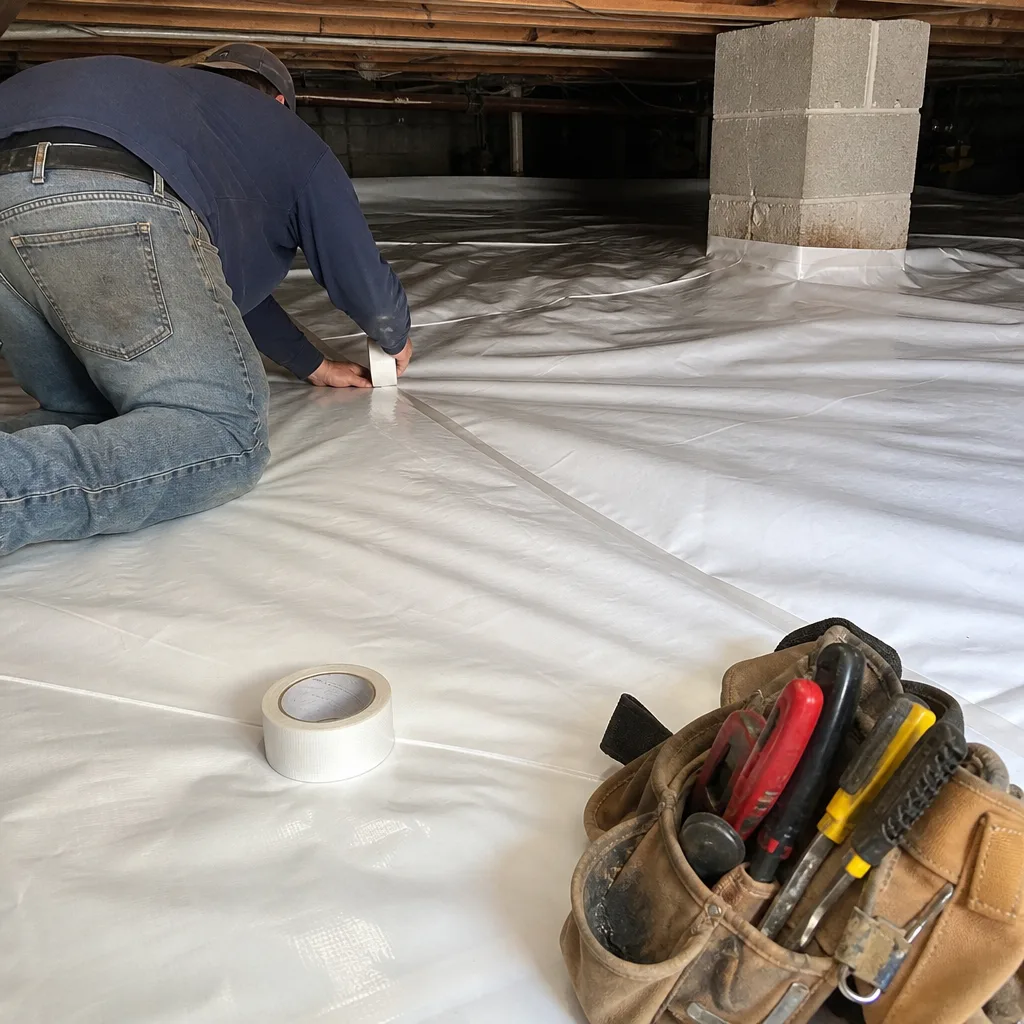
Attic Insulation Replacement
When insulation is wet, moldy, or saturated from years of humidity or a roof leak, top-ups won’t cut it. We remove the old material, sanitize the space, air-seal the attic floor, and install a new system designed for Miami’s specific conditions. A full replacement in a Miami home usually runs $3,200 to $6,500, and that includes remediation prep before new material goes in. We see this often in pre-1992 homes around Hialeah and Westchester where decades of inward vapor drive have done real damage.
Attic Baffles & Ventilation Prep
Baffles and ventilation prep are the unsung heroes of a Miami attic job. If your roof deck is going to carry closed-cell spray foam, baffles at the soffit intakes keep air moving where it should. If you’re keeping a blown-in attic floor system, proper baffling prevents insulation from blocking soffit vents and creating hot, stagnant air pockets that cook your roof deck. We include baffle installation and ventilation review on every attic job in Miami, not as an add-on. This is the kind of detail that matters when attic temps routinely exceed 140°F in summer.
What happens when you call
- 1
A real person answersNo phone trees - you reach a local pro.
- 2
You get an upfront price rangeHonest numbers before anyone is dispatched.
- 3
A background-checked tech heads outLicensed & insured, dispatched right away.
- 4
You approve before work beginsNothing starts until you say go.
Trusted Brands We Work With in Miami
We install products from manufacturers with real R&D budgets and local supply chains, so your material is fresh and stocked for fast turnaround. Demilec closed-cell spray foam is our go-to for Miami rooflines, and we also work with Owens Corning, GreenFiber, and Johns Manville depending on the scope. When you hire Walt’s, you get the material named on your proposal, installed by a crew that knows how it behaves in this climate. Every job is covered by our Done Right Promise: if it’s not done right, we make it right, no runaround.
Common Attic Insulation Problems We See in Miami Homes
- Sweating ductwork dripping onto drywall: In unconditioned attics, supply ducts carrying 55°F air through a 140°F attic sweat heavily. The condensation drips onto ceiling drywall, stains it, and seeds mold colonies behind the finished surface. We see this in homes across Kendall, Coral Gables, and Pinecrest.
- Uninsulated concrete block walls letting moisture through: CBS construction gives you roughly R-1.5 for an entire wall. Warm, humid outdoor air pushes inward through those blocks and hits your air-conditioned drywall. The result is hidden condensation and mold you can’t see until it’s too late.
- Trapped moisture from vapor retarders on the wrong side: Contractors trained in northern states sometimes put a vapor barrier on the interior side or install fiberglass batts with kraft facing on attic floors. In Miami, vapor drive runs from outside to inside. The wrong placement traps moisture and accelerates roof deck rot.
- Insulation compressed by years of roof traffic and settling: In older Miami homes, attic insulation gets walked on, pushed aside by cable installers, or simply settles over 20 or 30 years. The result is thin, uneven coverage and higher cooling costs than the material was designed to deliver.
Pricing for Attic Insulation in Miami, FL
A standard blown-in top-up in Miami runs $900 to $2,200 for a typical single-story ranch or two-story home. Full replacement with air sealing and new material runs $3,200 to $6,500. Closed-cell spray foam on the underside of a roof deck, which we recommend for most unconditioned attics in Miami, generally lands between $4,800 and $12,000 depending on roof geometry and square footage. That’s a wide range because Miami roof lines include everything from simple gable roofs in Hialeah to complex hip roofs with multiple valleys in Coral Gables.
| Service | Typical Miami Cost | Best For |
|---|---|---|
| Attic Insulation Top-Up | $900 – $2,200 | Existing insulation, just needs more depth |
| Attic Insulation Replacement | $3,200 – $6,500 | Wet, moldy, or settled insulation; pre-1992 homes |
| Closed-Cell Spray Foam on Roof Deck | $4,800 – $12,000 | Unconditioned attics; sweating ducts; Zone 1 vapor control |
| Attic Air Sealing + Blown-In | $1,800 – $4,200 | Leaky attics with intact insulation |
| Attic Baffles & Ventilation Prep | $400 – $1,100 | Included on spray foam and many replacement jobs |
These numbers reflect what we’re actually quoting in Miami-Dade right now, not what a national chain website says. Your exact price depends on attic access, roof complexity, existing material condition, and whether remediation is needed. Call (866) 751-4428 and we’ll send a technician to measure and give you a straight written quote. Estimates are free, and there’s no trip charge inside our county.
We Also Serve Cities Near Miami
Walt’s Insulation runs crews throughout Miami-Dade. If you’re in Miami Beach dealing with a condo attic issue, Coral Gables with a 1950s home whose attic hasn’t been touched in decades, Hialeah where concrete block dominates, or Miami Gardens with a newer build that still never got proper air sealing, call us. We schedule service across the entire area from our South Florida dispatch office, and if you’re inside Miami-Dade, there’s no trip charge.
Why Miami Attics Need Different Insulation Than Other Cities
Miami sits in IECC Climate Zone 1, the hottest and most humid climate designation in the continental United States. Insulation here isn’t about keeping heat in. It’s about keeping heat out and controlling moisture that’s trying to move from the saturated outdoor air into your air-conditioned interior. That single fact rewrites the playbook compared to almost every other U.S. market.
In most of the country, blown-in fiberglass on the attic floor is the default recommendation. In Miami, that approach often fails. Here’s why: Miami’s vapor drive runs from outside to inside. The humid outdoor air is always trying to push water vapor through your building envelope into your dry, cool interior. If you install fiberglass batts on an attic floor in an unconditioned Miami attic, that material sits in humid, 140°F air all day. The kraft facing, if present, ends up on the wrong side. Moisture condenses inside the insulation or against the drywall below it. In homes we’ve worked on around Westchester and Fontainebleau, this is exactly how deck rot and ceiling mold get started.
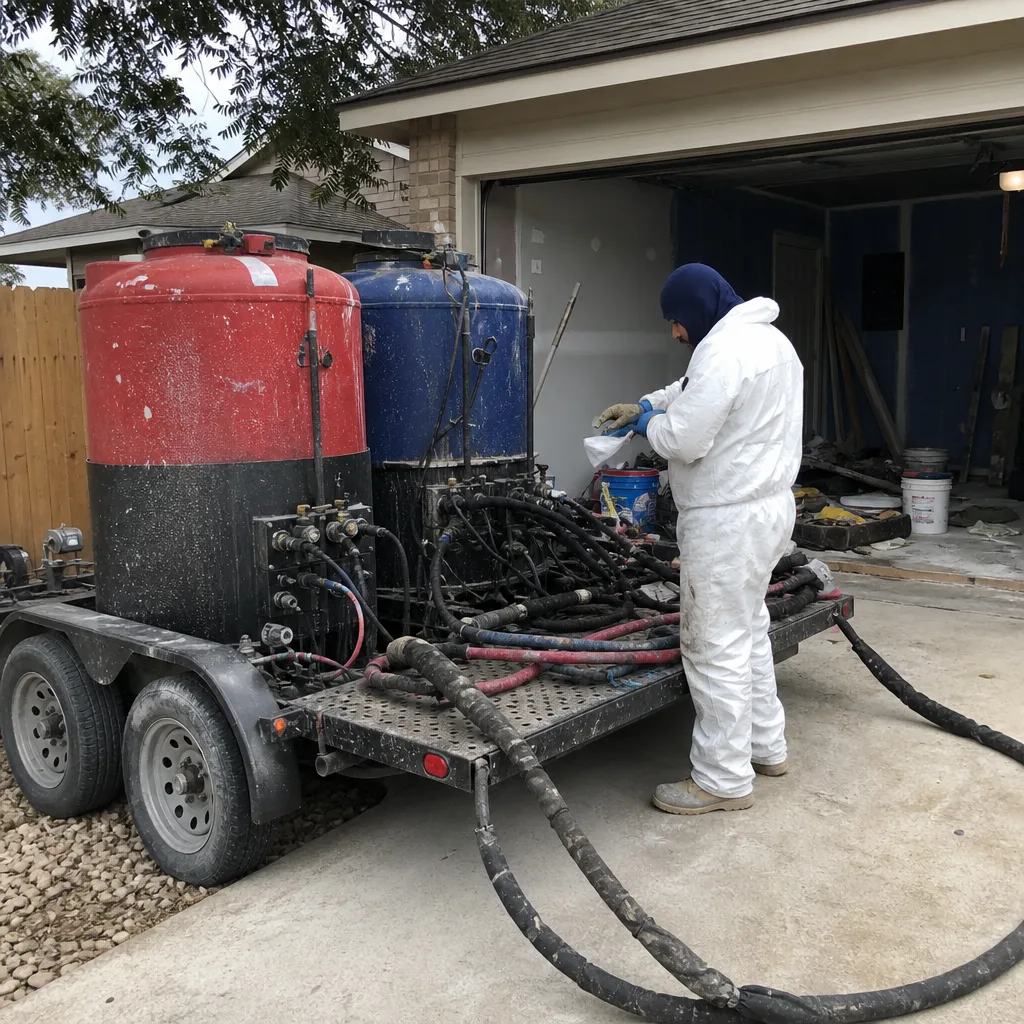
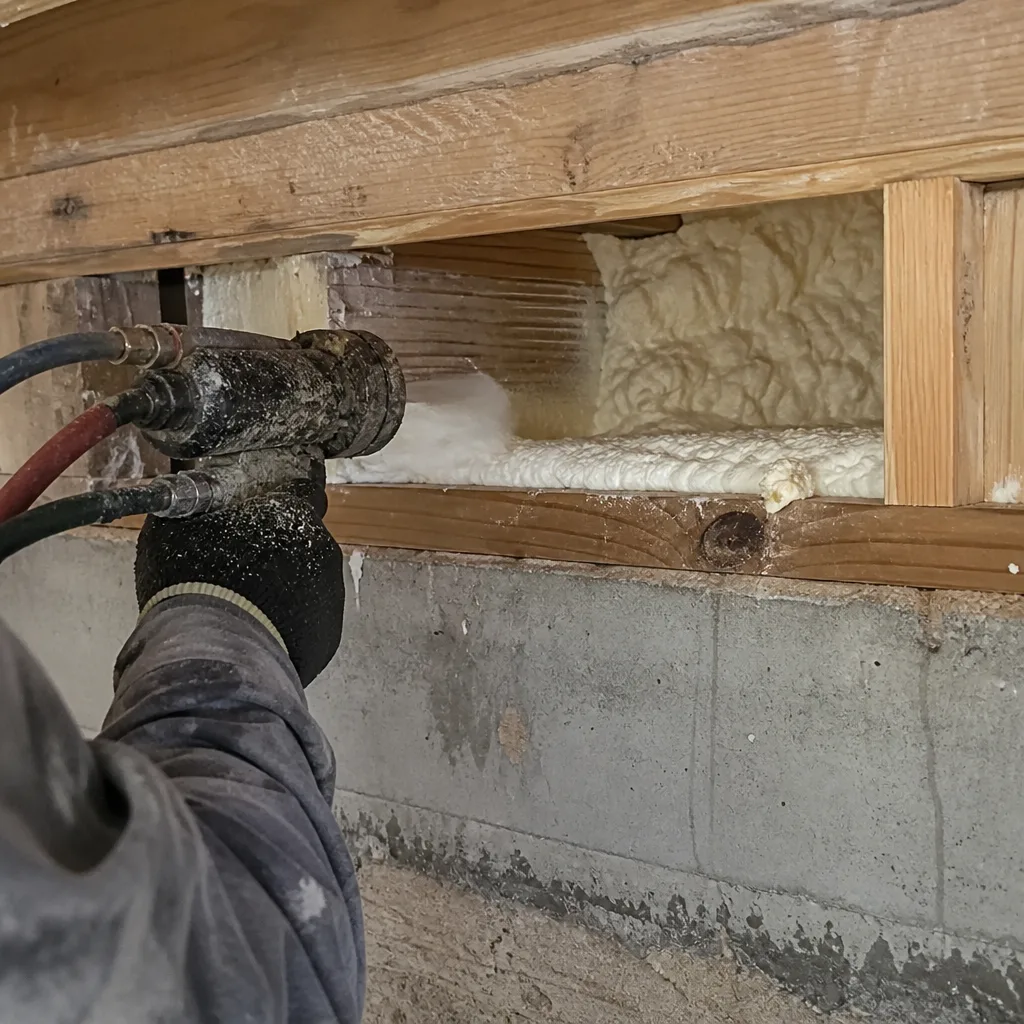
That’s why we recommend closed-cell spray foam on the underside of roof decks for most Miami attics. Demilec closed-cell foam stops vapor drive cold, creates an air barrier, and tames attic temperatures. The attic becomes a conditioned space. Your HVAC ducts stop sweating. The temperature delta between your roof and your living space shrinks dramatically.
In a 1980s CBS home in Westchester, our crew opened the attic to find original builders had left the concrete block walls uninsulated and the supply ducts sweating heavily, dripping onto drywall and seeding mold behind the ceilings. We air-sealed the attic floor and installed Demilec closed-cell spray foam on the underside of the roof deck, transforming the unconditioned space into a conditioned barrier that stopped the vapor drive and cut attic temperatures from over 140°F to a manageable interior environment. That’s the kind of work that changes how a house feels and what it costs to cool.
Miami homes also tend to have a unique housing stock problem: CBS, or concrete block structure, construction. Miami-Dade is dominated by block homes, especially the pre-1992 inventory built before Hurricane Andrew forced a dramatic rewrite of the Florida Building Code. Neighborhoods like Westchester, Hialeah, and Kendall are full of these houses. Their concrete block walls deliver roughly R-1.5, effectively nothing. Original builders often skipped wall cavity insulation entirely because block was considered “solid” construction. That leaves walls as thermal and moisture sieves. In these homes, attic insulation is just one piece of the puzzle. We frequently combine attic work with wall retrofits and air sealing to get the whole envelope working.
Storm season adds another layer. Miami homes need attic assemblies that can withstand wind-driven rain and hurricane force. A proper closed-cell foam system at the roofline adds structural rigidity, helps keep roofs intact, and reduces the chance of wind-blown water intrusion at the roof plane. The local code and permitting expectations around wind ratings and insulation changes mean you want a crew that works in Miami-Dade every week, knows the inspectors, and knows what’s required.
Serving Miami, FL - Our Local Coverage Area
We’re based in the Miami area and know this community well. Use the map below to see our service coverage - if you’re nearby, we can almost certainly help.
FAQs - Attic Insulation in Miami
Miami’s IECC Climate Zone 1 conditions create inward vapor drive from humid outdoor air toward your air-conditioned interior, and closed-cell spray foam is the only insulation that stops that moisture transport at the roofline. Blown-in fiberglass on an attic floor leaves the attic unconditioned, lets moisture condense in and around the insulation, and fails to address sweating ducts and deck rot risk. If you want a straight answer for your specific roof, call (866) 751-4428 and we’ll tell you what your house actually needs, not what our website wants to sell you.
Pre-1992 concrete block homes in Miami-Dade almost always have uninsulated walls, minimal attic insulation, and unconditioned attics with HVAC ductwork running through them. That means moisture-driven mold risk is higher, cooling costs are inflated, and attic insulation alone won’t solve the comfort problem. We typically recommend air sealing the attic, insulating the roofline with closed-cell foam, and addressing wall insulation where feasible. It’s a bigger scope than a simple top-up, but it’s the right fix for a house built under the old code.
Yes, when the insulation solution stops the moisture source rather than just adding material. In Miami homes with sweating ducts and inward vapor drive, replacing attic floor insulation with closed-cell spray foam at the roof deck drops attic temperatures and eliminates condensation, which is what’s feeding the mold. You should still have any existing mold remediated separately, but the insulation fix prevents it from coming back. Call (866) 751-4428 and we’ll inspect, diagnose the moisture source, and give you a straight answer.
In Miami-Dade, re-insulating an attic generally falls under building envelope work and may require a permit, especially when spray foam is involved or when the work changes the attic from ventilated to unventilated. The Florida Building Code has specific requirements for unvented attic assemblies and vapor control in Climate Zone 1. We handle the permitting paperwork and our crew works with Miami-Dade inspectors regularly. You won’t be left guessing whether the work is compliant.
Miami attic temperatures regularly exceed 140°F in summer, and your supply ducts are pushing 55°F air through that heat. The temperature differential causes condensation on the duct surface, and that water drips onto your ceiling drywall. Insulating the attic floor doesn’t fix this because the ducts sit in the same hot space. The fix is closing in the roofline with spray foam so the attic cools down and the condensation stops. That’s the solution we recommend for sweating ducts, and it’s effective in homes across Miami.
If your Miami attic needs work, don’t wait for the next humid stretch to make you miserable. Call Walt’s Insulation at (866) 751-4428 for a free estimate. A real person answers, day or night. We’ll measure, quote you a straight price, and back the work with the Done Right Promise for as long as you own the house. The one down the road is the one you can hold accountable.
Written by Walt Brenner, Owner at Walt’s Insulation, serving Miami since 2000.