
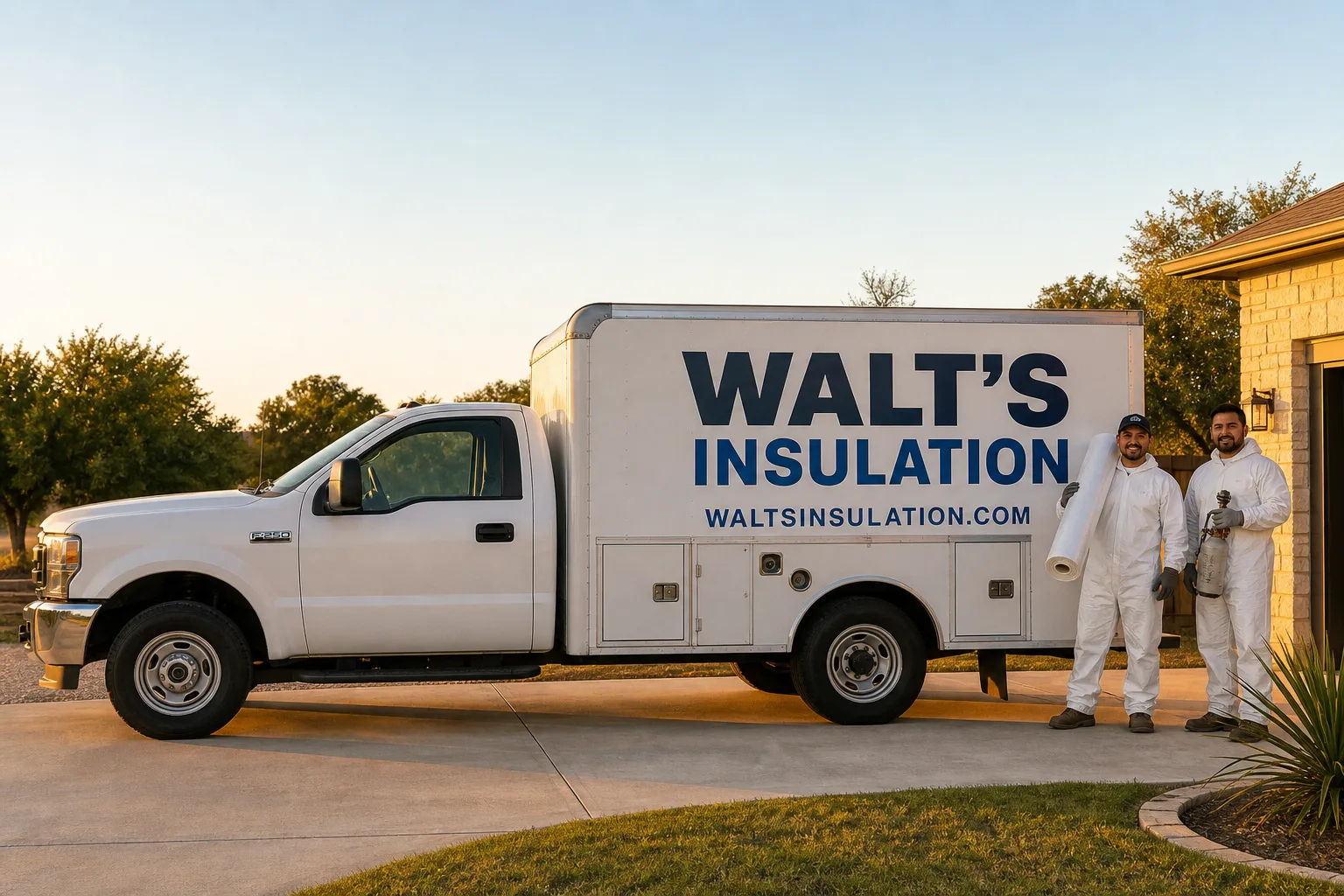
How Much Does Insulation Cost in Chicago?
Insulation in Chicago typically costs between $1,500 and $6,500 for a full attic job, and anywhere from $400 to $2,200 for smaller projects like crawl space encapsulation or wall insulation. The wide range comes down to square footage, the type of insulation you choose, and how much old material needs to come out first. Most Chicago homeowners we work with land somewhere in the $1,800 to $3,500 range for a standard attic job on a 1,200-1,800 sq ft home.
Insulation Cost Breakdown (2026)
These are real dollar ranges based on what we see in the Chicago market – including neighborhoods like Bridgeport, Logan Square, Pilsen, Andersonville, and out into the suburbs. Every job is different, but these numbers will tell you whether a quote you’ve received is in the right ballpark.
| Service | Typical Range (Chicago, 2026) | Notes |
|---|---|---|
| Attic Insulation (blown-in) | $1,500 – $3,800 | 1,000-2,000 sq ft attic; includes air sealing prep |
| Attic Insulation (batts) | $1,200 – $2,800 | Best for open joist attics; Owens Corning or Knauf product |
| Spray Foam (closed-cell) | $2,800 – $7,500 | Rim joists, crawl spaces, and tight areas; Icynene or Demilec |
| Spray Foam (open-cell) | $1,400 – $4,200 | Interior walls and attic ceilings; excellent sound control |
| Crawl Space Encapsulation | $1,800 – $5,500 | Includes vapor barrier; critical for Chicago’s clay-heavy soil and wet springs |
| Wall Insulation (blown-in retrofit) | $900 – $2,800 | GreenFiber or Knauf; older Chicago bungalows are a common fit |
| Insulation Removal and Replacement | $1,200 – $4,000+ | Adds to project cost; often necessary in homes with rodent damage or old fiberglass |
| Attic Air Sealing (standalone) | $400 – $1,200 | Often done before blown-in; addresses bypasses around plumbing and electrical |
| Radiant Barrier Installation | $800 – $2,200 | Less common in Chicago but effective in homes with south-facing rooflines |
| Home Energy Audit | $150 – $450 | Tells you exactly where you’re losing heat before you spend a dollar on materials |
A few things will push a Chicago job toward the higher end of these ranges: older homes with dense-pack sidewalls that need pneumatic installation, attics that are still holding deteriorated fiberglass from the 1970s or 80s, or crawl spaces with standing moisture problems – something we see frequently under the two-flat and coach-house style buildings common in neighborhoods like Wicker Park and Ukrainian Village. Going to the lower end usually means a relatively clean attic, easy access, and a smaller footprint.
One thing worth saying plainly: if a quote you’ve received is significantly below these ranges, ask what it includes. We offer a free second opinion on any written estimate – not to undercut anyone, but because Chicago homeowners deserve to know what they’re actually buying before they sign anything.
What Affects Insulation Pricing in Chicago
- Chicago’s climate and R-value requirements: Illinois building code currently recommends R-49 to R-60 for attics in Climate Zone 5, which covers all of Cook County and the collar counties. That’s roughly 14-17 inches of blown-in cellulose or fiberglass. Homes starting from R-11 or R-19 – which is what we find in a lot of pre-1990 Chicago housing stock – need a substantial upgrade to get there, and that adds material cost.
- Type of insulation material: Blown-in cellulose (GreenFiber is a brand we use often) sits at a lower price per square foot than closed-cell spray foam. Rockwool batts fall in the middle and are popular in Chicago’s dense neighborhoods because of their fire-resistance and sound-blocking properties – both of which matter when you share walls with neighbors. The right product depends on the application, not just the price tag.
- Existing material and condition: If your attic still has the original compressed fiberglass batts from 1965, or if you’ve had a rodent problem (which is not rare in older Chicago neighborhoods – we regularly do attic cleaning and rodent proofing in Avondale and Portage Park), the old material needs to come out before anything new goes in. Removal runs $1 to $2.50 per square foot on top of the installation cost.
- Accessibility and attic configuration: Chicago’s classic worker cottages and two-flats often have shallow attic pitches with low clearance, or multiple roof levels that make equipment access harder. That labor complexity gets reflected in the quote. Same goes for crawl spaces – a 30-inch clearance crawl space under a Bridgeport rowhouse takes longer to work in than an open, tall crawl space.
- Air sealing scope: In Chicago, you can’t fully solve a heat-loss problem without addressing air sealing around plumbing penetrations, electrical chases, and the rim joists above the foundation. A lot of contractors skip this step or charge it separately as a surprise add-on. We include a thorough air sealing assessment in every attic job quote upfront, so nothing gets tacked on later.
- Project size and home footprint: Pricing scales with square footage, but not always linearly – setup and mobilization costs are the same whether your attic is 800 sq ft or 2,000 sq ft, which means smaller jobs cost more per square foot. A 1,500 sq ft attic in Norwood Park will typically price out more efficiently per square foot than a 700 sq ft attic in a coach house off an alley in Lincoln Square.
How to Save on Insulation in Chicago
There are a few ways Chicago homeowners can meaningfully reduce their insulation costs – and a few “deals” that end up costing more in the long run. Here’s what actually moves the needle.
Start with a Home Energy Audit
Before you spend anything on materials, a home energy audit tells you exactly where your house is losing heat and by how much. Spending $150 to $450 on an audit before a $3,000 project can save you from putting blown-in cellulose in the wrong place while leaving an uninsulated knee wall or rim joist wide open. It’s not a luxury – in an older Chicago home, it’s the smartest first dollar you spend. We offer these as a standalone service, and they’re credited toward any work that follows.
Bundle Services When Possible
If your home needs both attic insulation and crawl space vapor barrier work, scheduling them together almost always costs less than two separate mobilizations. The crew is already there, the equipment is on-site, and we’re not charging two separate trip costs. This is especially common in Chicago’s older two-flat and coach house stock, where the crawl space under the first-floor unit and the attic above the second are both underperforming.
Ask About Utility Rebates
ComEd and Peoples Gas both have active rebate programs for insulation upgrades in 2026. Depending on the scope of your project, you could recover $200 to $800 off your total cost through rebates alone. Eligibility depends on your current insulation levels and the type of improvement – a home energy audit (mentioned above) will tell you exactly what you qualify for. We can walk through current program requirements with you on the call.
Take Advantage of Our Standing Offers
We’re not big on promotional noise, but these are real, permanent offers worth knowing about:
- $40 off any repair over $200 – straightforward savings on smaller jobs
- Free second opinion on any written estimate – bring us a competing quote and we’ll tell you honestly whether it’s fair
- No trip charge inside the service county – we don’t charge you for showing up
- 10% discount for seniors and veterans, always – not a limited-time promotion, just the way we price it
Don’t Delay if Your Current Insulation Is Failing
This sounds counterintuitive as a savings tip, but it’s real: every Chicago winter you spend with inadequate attic insulation costs you in heating bills. A home dropping from R-11 to R-49 in the attic typically sees a 15-25% reduction in heating costs. In a Chicago winter where gas bills for a 1,500 sq ft home can run $200-$350 a month, that payback period is shorter than most homeowners expect – often 3 to 5 years on a mid-range project.
To get an exact number for your home, call us at (866) 751-4428. Estimates are free, and we don’t send a salesperson – we send an insulation technician who can actually look at your attic and give you an honest assessment of what you need and what you don’t.
Chicago Neighborhoods and Suburbs We Serve
Walt’s Insulation works throughout the Chicago metro – from the North Side neighborhoods like Andersonville, Rogers Park, and Edgewater to the Southwest Side communities of Marquette Park, Clearing, and Garfield Ridge. We regularly work in the western suburbs including Oak Park, Berwyn, and Cicero, as well as the north suburbs like Evanston, Skokie, and Niles.
Chicago’s housing stock varies a lot by neighborhood, and that affects what we find when we get up in an attic or under a floor. In Pilsen and Little Village, we frequently encounter original plaster ceilings with zero insulation above them – a heat-loss situation that’s been costing those homeowners for decades. In Wrigleyville and Lincoln Park, the challenge is often the Victorian-era balloon framing that creates hidden air bypasses between floors. In the collar county suburbs, newer construction sometimes has adequate batt insulation that was installed without proper air sealing, which defeats a big portion of the intended benefit.
Point being: Chicago-area homes are not all the same, and a pricing estimate that doesn’t account for your specific home’s age, style, and current condition isn’t worth much. That’s why we look before we quote.
If you’re exploring our full range of services, our home page has a complete breakdown of everything Walt’s Insulation offers across the Chicago area.
Walt’s Insulation vs. the Big Guys
We get this question sometimes: “Why not just go with the national chain that has a coupon in my mailbox?” It’s a fair thing to ask.
Here’s the honest answer. National insulation franchises typically use subcontracted crews that change from job to job. The person who does your estimate is rarely the person who does your installation. And when something isn’t right – and sometimes things aren’t right – you’re calling a 1-800 number and hoping someone calls back.
Walt Brenner has owned and operated Walt’s Insulation since 2000. That’s over 25 years of Chicago-area installs, under his name, with his license number on every permit. When you call (866) 751-4428, a live person answers – not voicemail, not an answering service, not a bot. And the technicians who show up at your door are background-checked, uniformed, and employed by us directly.
The Done Right Promise covers every job we do. It’s not a marketing tagline – it’s a lifetime workmanship guarantee. If something isn’t right with our work, Walt makes it right. No runaround, no “that’s outside the warranty window,” no chasing a subcontractor who no longer works for a franchise that’s since changed ownership.
That kind of accountability doesn’t cost more. In most cases, it costs the same or less – because we’re not carrying franchise fees, regional overhead, or a national marketing budget into your quote.
Common Insulation Problems in Chicago Homes
Chicago’s climate is genuinely hard on buildings. Winters regularly push below 0°F, summers hit the mid-90s with high humidity, and the freeze-thaw cycles in between do a lot of damage over time. Here’s what we see most often in Chicago homes that haven’t been insulated recently:
Compressed or Settled Fiberglass Batts
Fiberglass batts from the 1970s and 80s were commonly installed at R-11 or R-19. After 40-plus years, they’ve compressed significantly – and compressed fiberglass loses much of its R-value. We see this constantly in Chicago bungalows and ranch homes built between 1950 and 1980. The fix is usually blowing new cellulose or fiberglass over the existing material to bring the total depth up to current code standards, or removing the old material entirely if it’s been damaged by moisture or pests.
Uninsulated Rim Joists
The rim joist – the framing board that sits on top of your foundation wall – is one of the most overlooked heat loss points in a Chicago home. In an uninsulated rim joist, cold air moves straight through the band from outside. We almost always address this with cut-and-cobble rigid foam or spray foam when we’re doing a basement or crawl space project. It’s not a big cost item, but it makes a real difference in comfort on the first floor in January.
Missing Air Sealing in Balloon-Frame Homes
Many of Chicago’s older neighborhood homes – the greystone two-flats, the Victorian workers’ cottages – were built using balloon framing, where wall studs run continuously from the foundation to the roof without fire blocking between floors. This creates a hidden chimney effect inside your walls. Warm air rises through the wall cavity and escapes at the top, pulling cold air in at the bottom. Insulation alone doesn’t fix this. Air sealing the top plates and bottom sill plates is the critical step – and it’s one that a lot of contractors skip because it takes more time and isn’t visible once the job is done. We don’t skip it.
Crawl Space Moisture and Vapor Issues
Chicago’s clay-heavy soil holds moisture, and that moisture migrates upward into crawl spaces through the ground year-round. Without a proper vapor barrier and encapsulation, you get elevated humidity, wood rot, mold risk, and cold floors above. We see this in a lot of older Chicago homes with unencapsulated dirt crawl spaces – including some that were “insulated” with batts between the floor joists, which actually traps moisture and accelerates rot. Crawl space encapsulation with a proper vapor barrier is the correct solution, and in Chicago’s soil conditions, it’s not optional for long-term home health.
FAQs – Insulation Cost in Chicago
How much does attic insulation cost in Chicago?
Attic insulation in Chicago costs between $1,500 and $3,800 for a typical 1,000-2,000 sq ft attic using blown-in insulation, which is the most common approach for Chicago homes. Homes that need old material removed first will add $800 to $2,000 depending on depth and condition. We provide free on-site estimates – call (866) 751-4428 and we can usually schedule within a day or two.
Is spray foam worth the cost in Chicago’s climate?
Closed-cell spray foam at $2,800 to $7,500 for a typical project is the highest-performing option for Chicago’s extreme temperature swings. It creates an air barrier and a vapor barrier simultaneously, which is valuable in a climate where both heat retention in winter and moisture management year-round matter. It’s not always the right call – in an open attic floor application, blown-in cellulose is often more cost-effective. But for rim joists, crawl space walls, and any application where space is tight or moisture exposure is high, the performance of closed-cell spray foam like Icynene or Demilec justifies the price for most homeowners.
Can I get a tax credit for insulation in Chicago in 2026?
Yes. The federal Residential Clean Energy Credit under the Inflation Reduction Act covers up to $1,200 per year (30% of cost, capped) for qualifying insulation improvements through 2032. Illinois homeowners can stack this with ComEd and Peoples Gas rebate programs, which add another $200-$800 depending on scope. Eligibility requires the work to meet specific R-value thresholds – another good reason to start with a home energy audit that documents your current conditions and the improvement you’re making. We’re happy to help you understand what applies to your project when you call.
How long does insulation installation take?
A standard attic blown-in job in Chicago takes 4 to 8 hours for a crew of two, including setup and cleanup. More involved projects – like a full insulation removal and replacement combined with air sealing and crawl space encapsulation – can run two full days. We don’t rush jobs to hit a daily quota, and we don’t leave until the work is done the way it needs to be done. That’s the Done Right Promise in practice.
Is it cheaper to repair or replace old insulation?
It depends on the condition of what’s there. If your existing insulation is dry, pest-free, and just low in depth, adding blown-in material on top is almost always the more cost-effective path – typically $1,500 to $2,800 vs. $2,500 to $4,500 for full removal and replacement. But if the existing insulation has moisture damage, mold, or rodent contamination, leaving it in place creates ongoing problems and often voids the performance of anything installed on top of it. We’ll tell you honestly which category your attic falls into when we’re up there – not whatever answer leads to a bigger job. Call (866) 751-4428 for a free assessment.
Do I need a permit for insulation work in Chicago?
Adding insulation to an existing attic or crawl space in Chicago typically does not require a building permit, though rules vary by project type and municipality – work in a Chicago landmark district or a suburb like Evanston can have different requirements. Any structural alterations or work that involves vapor barriers in certain jurisdictions may require a permit or inspection. Walt’s Insulation pulls every permit required by local code and will tell you upfront whether your project needs one. We’ve been doing this in Cook County and the collar counties since 2000 – permit requirements here are not a surprise to us.
Key Takeaways
- Most Chicago homeowners pay $1,800 to $3,500 for a standard attic insulation job; crawl space and spray foam projects can run higher.
- Illinois code recommends R-49 to R-60 for attics in Climate Zone 5 – most pre-1990 Chicago homes fall well short of this.
- Federal tax credits (up to $1,200/year) and utility rebates from ComEd and Peoples Gas can meaningfully offset costs in 2026.
- Chicago’s older housing stock – bungalows, two-flats, balloon-frame Victorians – often has specific issues (compressed batts, open balloon walls, moisture in clay-soil crawl spaces) that affect both cost and the right solution.
- Air sealing and insulation work best together; skipping air sealing is one of the most common reasons insulation upgrades don’t perform as expected.
- Walt’s Insulation offers free estimates, a free second opinion on any written estimate, no trip charge inside the service county, and a 10% discount for seniors and veterans.
- Every job is backed by the Done Right Promise – a lifetime workmanship guarantee from a locally owned, owner-operated company that has been in the Chicago market since 2000.
Ready for a Free Estimate?
Walt Brenner and the team at Walt’s Insulation have been doing this work in Chicago and the surrounding communities for over 25 years. We’re not a franchise, we’re not a call center, and we’re not going to send you a vague quote based on square footage alone. We look at the actual conditions in your attic or crawl space before we give you a number – and that number includes everything, with no surprise add-ons at the end of the job.
Call (866) 751-4428 any time – a live person picks up, 24 hours a day, 7 days a week. Estimates are free, and if you have a written quote from another contractor, we’ll give you a second opinion on it at no charge. We’d rather earn your business by being straight with you than by being the lowest number on a spreadsheet.
Walt’s Insulation. The one down the road.
Pricing reflects the Chicago market as of 2026. Walt’s Insulation offers free estimates – call (866) 751-4428.
Written by Walt Brenner, Owner at Walt’s Insulation, serving Chicago, IL since 2000.
What Our Customers Say
"Good honest work on the attic. The price was a little higher than one online quote, but Walt is the one who actually showed up and the one whose name is on the truck, and that was worth it to us."
- Helen Tran"Radiant barrier and new insulation in one visit. Walt explained what the foil actually does and what it does not, which nobody else bothered to. Electric bill in July was the lowest it has been in this house."
- Nadia Haddad"Air sealing first, then blown-in over the top. He found a bathroom fan venting straight into the attic and fixed that too. Written price before they started, same price when they finished."
- Arjun Mehta