
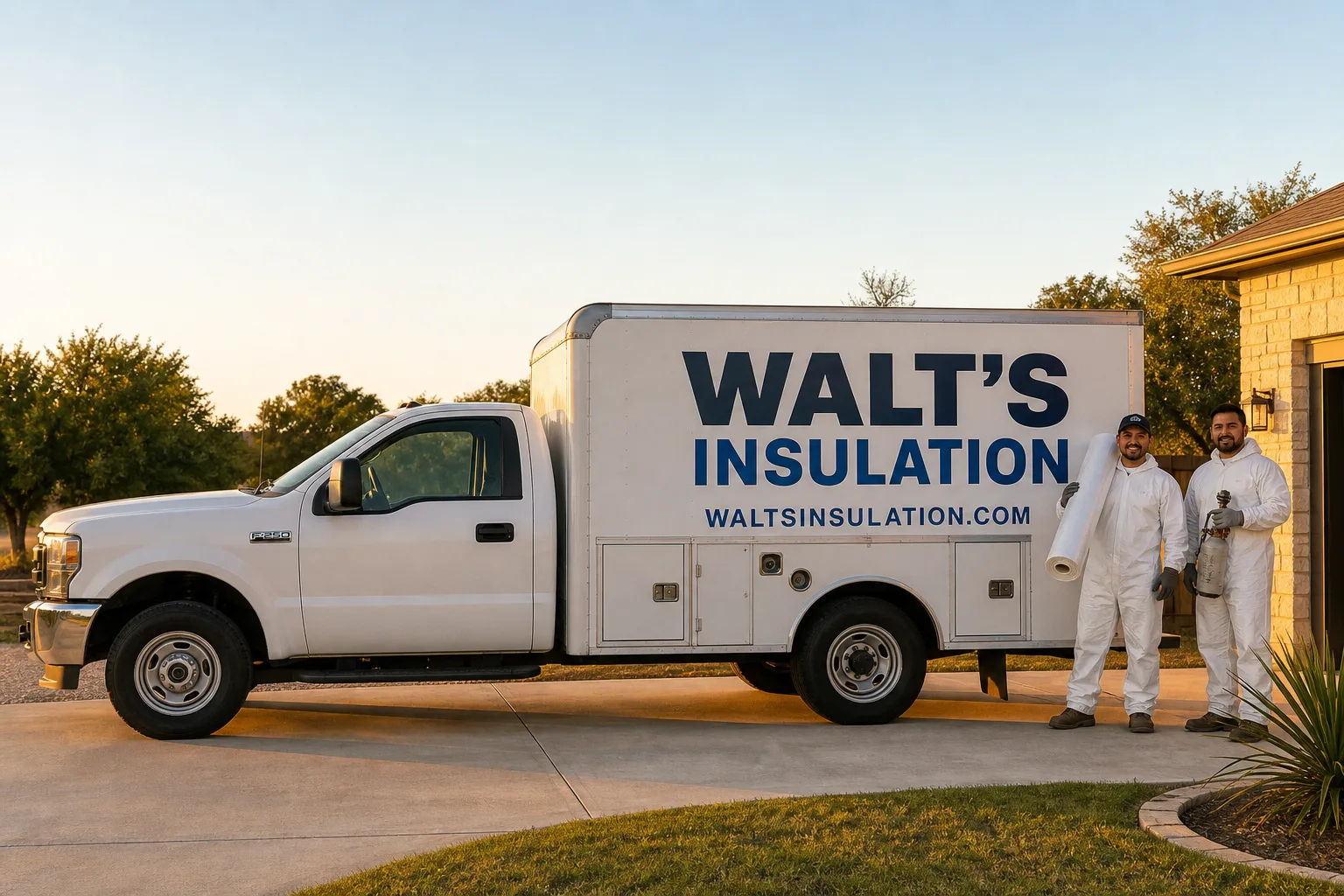
Fast, Reliable Attic Insulation Across Golden Valley
Attic insulation replacement in Golden Valley typically costs $1,800 to $4,600 for a 1,200-square-foot ranch, while a blown-in top-up over existing insulation runs $900 to $1,800. Most jobs are completed in a single day. If your attic is still holding the original R-7 to R-11 insulation installed when the house was built, you’re paying real money every January to heat the sky above your roof. Call Walt’s Insulation at (866) 751-4428 and we’ll give you an honest assessment, a specific number, and no pressure.
We’ve been working in Golden Valley long enough to know the housing stock block by block. The ranches on Lilac Drive, the split-levels off Medicine Lake Road, the bi-levels near Theodore Wirth Park. They all share the same DNA: built between 1955 and 1972, framed with 2×4s, insulated with whatever was code at the time. Which, in most cases, was almost nothing. That’s what we do here. We fix what the original builders left undone.
Why Walt’s Insulation Is Golden Valley’s Preferred Attic Insulation Company
Walt’s Insulation is the one down the road. Not a franchise. Not a call center with a rotating cast of subcontractors. A locally owned, owner-operated company founded in 2000, with a published address, a license number, and a live person answering the phone 24/7. When you call about your Golden Valley attic at 9:30 on a Sunday night after discovering a damp spot on the ceiling, you’ll talk to a human being who knows what ice dam season looks like in this city.
Our technicians are background-checked, uniformed, and they know Golden Valley’s construction quirks. They’ve crawled through hundreds of attics in this city, from the split-levels on Douglas Drive to the ranches tucked along the Bassett Creek corridor. We carry the Done Right Promise on every single job, named that way because it means what it says: if it’s not done right, we make it right. Lifetime workmanship. No runaround. That’s not a slogan we hang on a wall; it’s the reason we’ve survived 25 years while national chains burn through crews and reputations.
Our Attic Insulation Services in Golden Valley
We offer the full range of Attic Insulation services, but in Golden Valley specifically, most of our work falls into four categories. Here’s what we actually do in this city’s homes.
Attic Insulation Replacement
This is the big one for Golden Valley. If your house was built before 1975, the original insulation is almost certainly underperforming, and in many cases it’s actively failing. Old fiberglass batts settle and compress. Original loose-fill loses loft. Rodents nest in it. What started as R-11 is now performing like R-5. We remove the old material, inspect the attic for issues like vermiculite (more on that below), air-seal the top plates and rim joists, and install new insulation to R-60. On a 1962 ranch on Lilac Drive, our crew found original R-9 batts that had settled to under 4 inches in the shallow truss cavities, with ice dams forming along the eaves every winter. We removed the old batts, verified no vermiculite contamination after testing, air-sealed the top plates and rim joists, then blew in GreenFiber cellulose to R-60 capacity. The homeowner reported ice dams did not return the following winter.
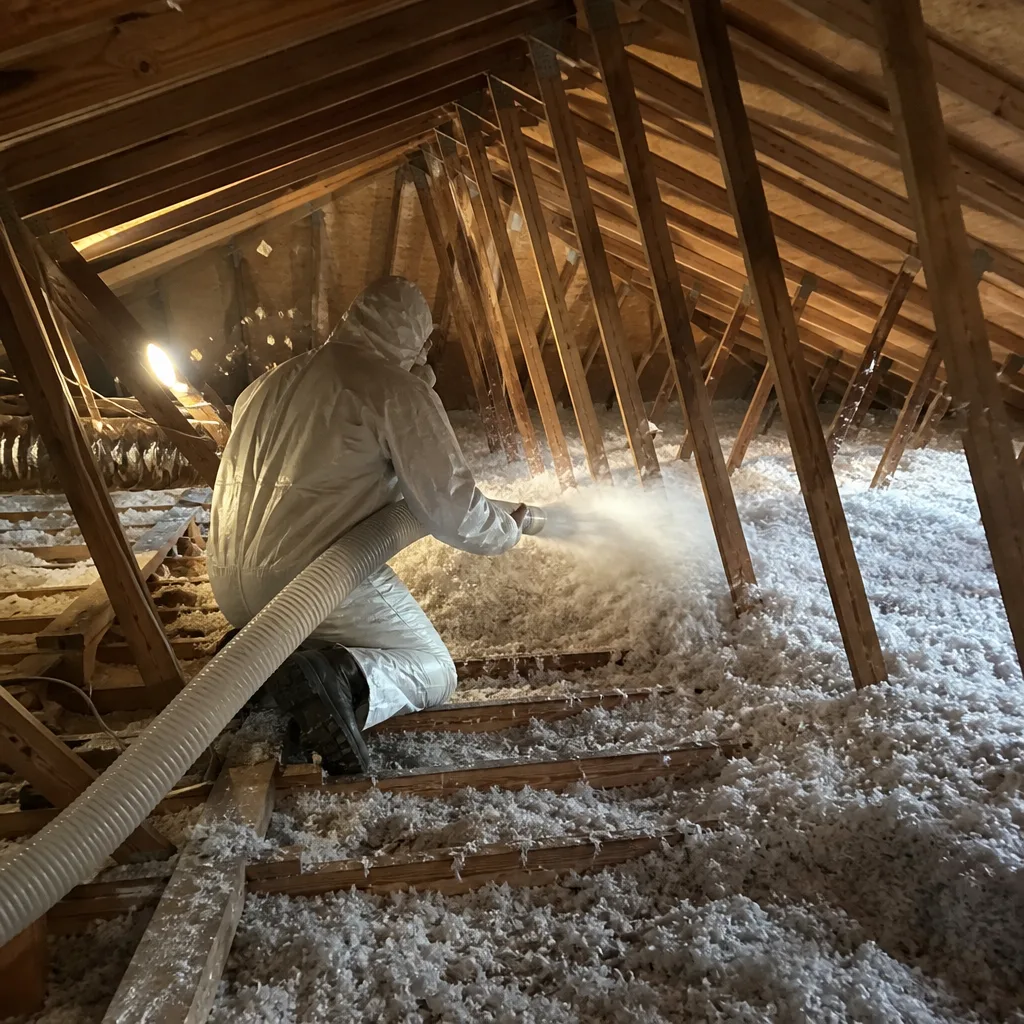
Blown-In Attic Insulation
Blown-in cellulose or fiberglass is the workhorse for Golden Valley’s low-slope ranch roofs and shallow attic cavities. It fills irregular voids better than batts ever will, and it’s the fastest way to bring a 1958 bungalow on Gettysburg Avenue up to modern R-values without rebuilding the roof structure. We blow GreenFiber cellulose and Owens Corning fiberglass to whatever depth your roof framing allows, typically R-49 to R-60 inClimate Zone 6.
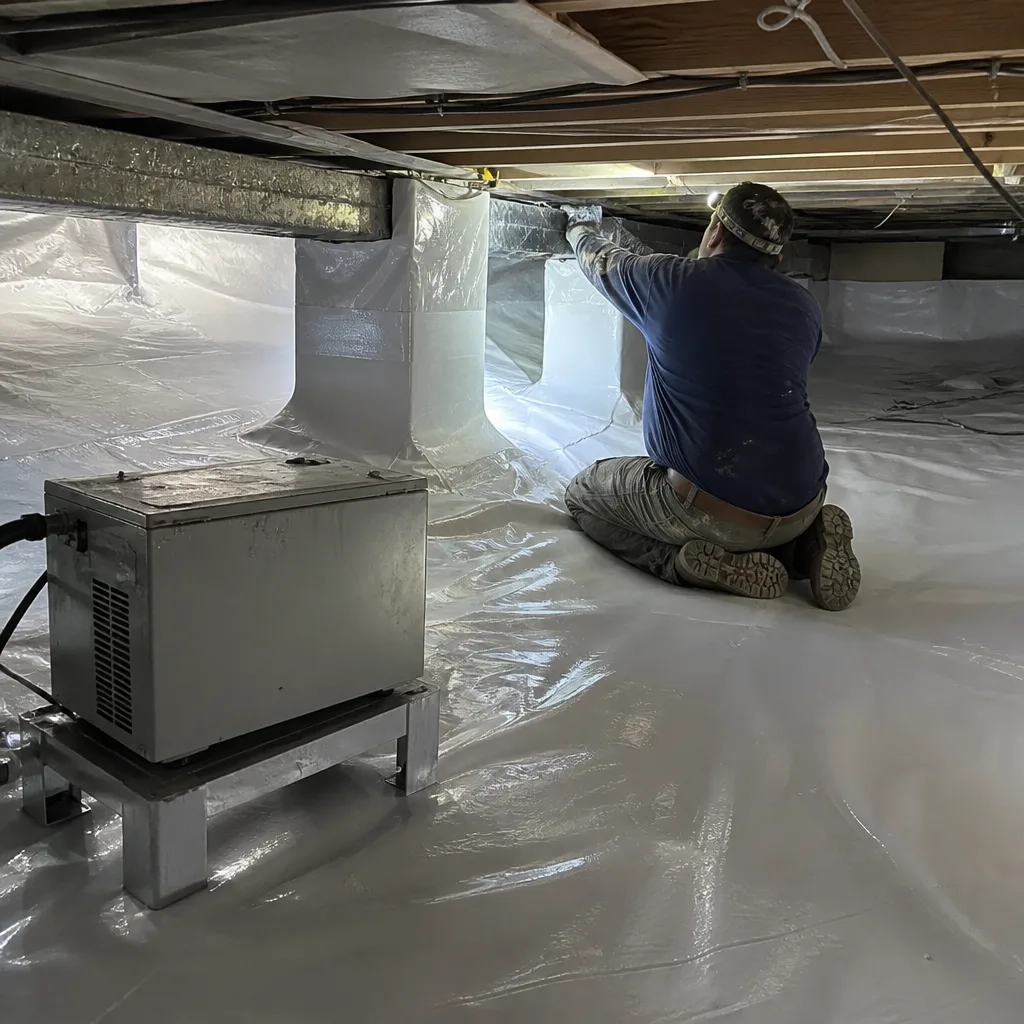
Attic Insulation Top-Up
If your Golden Valley attic already has some insulation but it’s thin, settled, or just not deep enough, a top-up is the most cost-effective fix we offer. We air-seal first, then blow fresh material directly over the old. For homeowners around the Golden Valley Country Club who don’t want a full replacement, this gets you from R-19 to R-50 in an afternoon. It’s the difference between setting the thermostat at 70 and actually feeling 70 in the living room.
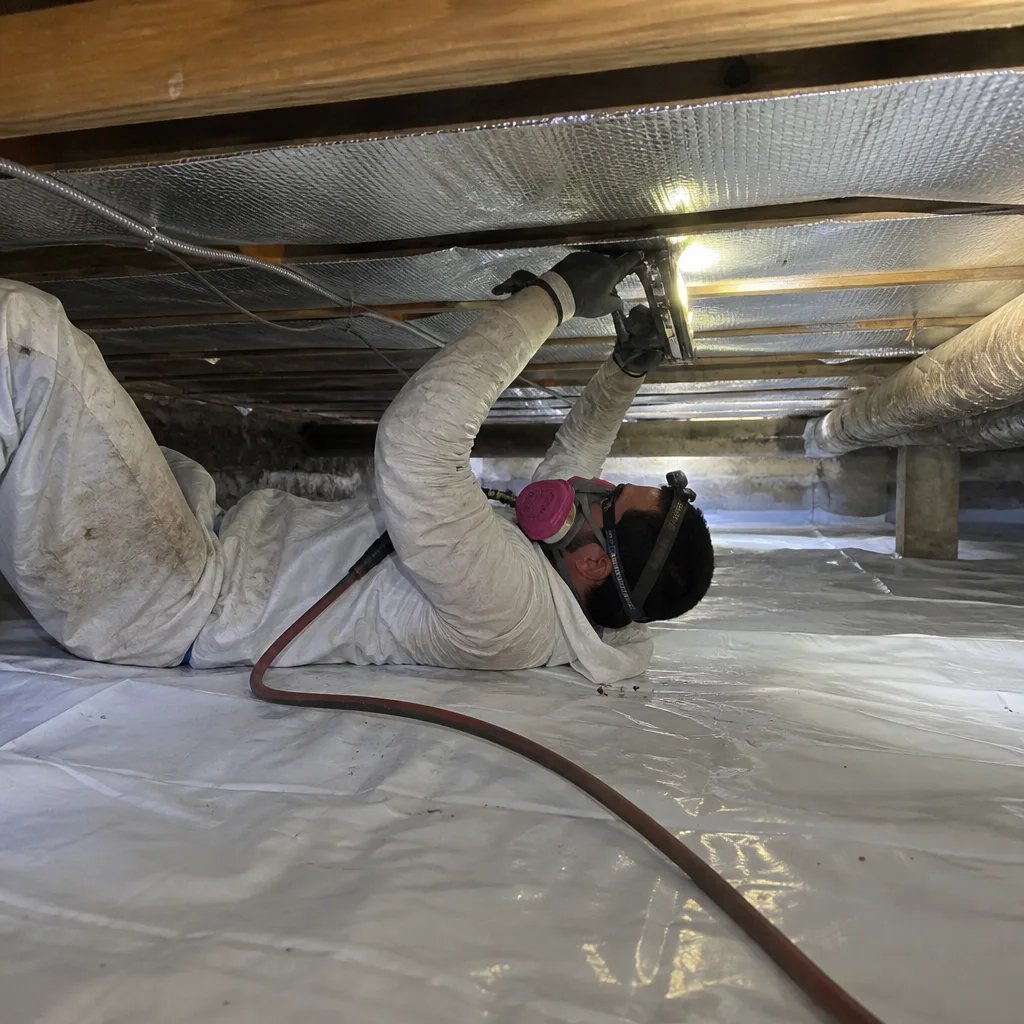
Attic Batt Insulation
Batt insulation still has its place in Golden Valley, particularly in attics with frequent access needs or in homes where we’re insulating knee walls and vertical transitions in split-level designs. We install Johns Manville and CertainTeed batts that are cut to fit the odd dimensions that come with mid-century framing. More on split-levels below.
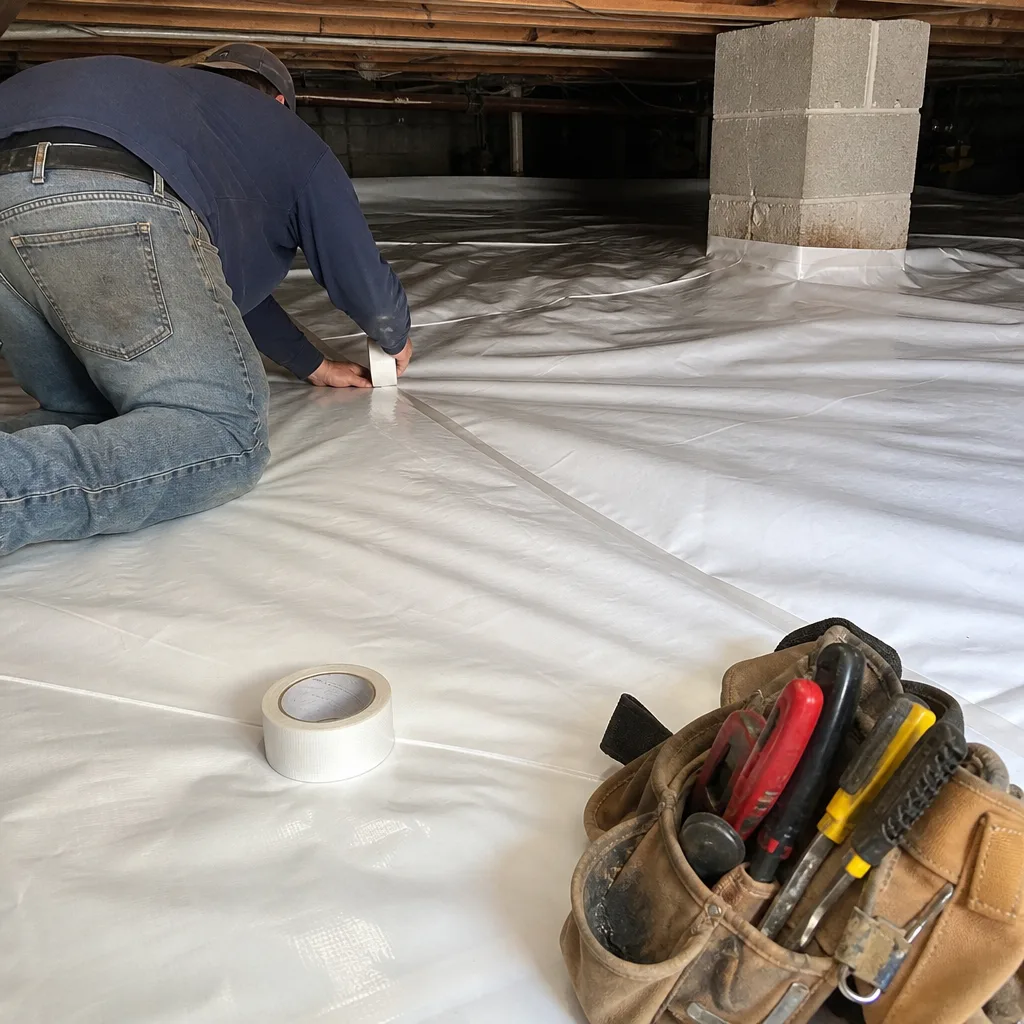
Attic Baffles & Ventilation Prep
Before we insulate any Golden Valley attic, we check the ventilation. Baffles keep soffit vents open so air can flow from the eaves to the ridge. In a city with this much freeze-thaw cycling, a properly ventilated attic is non-negotiable. We install baffles on every vented bay, clear any blocked soffits, and make sure the insulation isn’t choking the airflow that prevents condensation and ice dams.
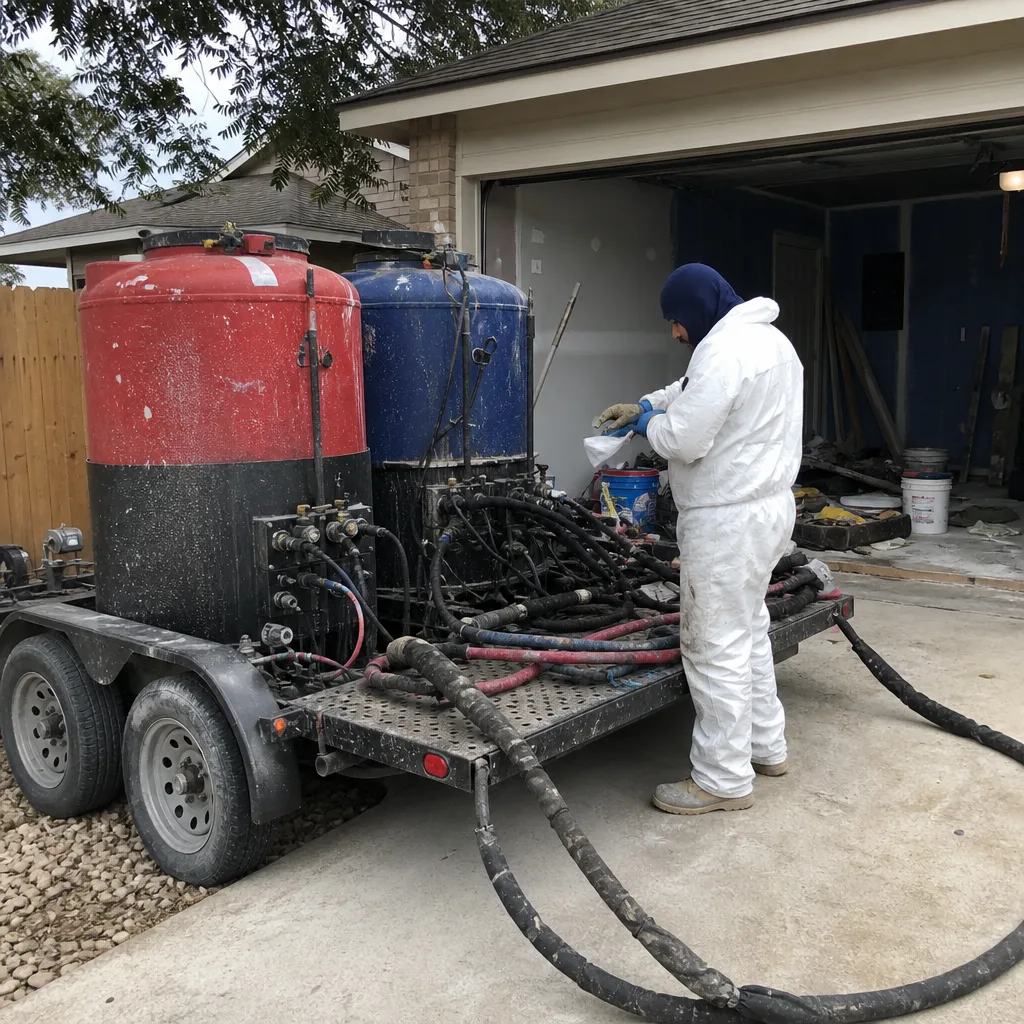
What happens when you call
- 1
A real person answersNo phone trees - you reach a local pro.
- 2
You get an upfront price rangeHonest numbers before anyone is dispatched.
- 3
A background-checked tech heads outLicensed & insured, dispatched right away.
- 4
You approve before work beginsNothing starts until you say go.
Trusted Brands We Service in Golden Valley
We install products from manufacturers we’ve trusted for decades because they perform in Minnesota’s climate: GreenFiber cellulose, Owens Corning fiberglass, Johns Manville and Demilec spray foam, and CertainTeed batts. We keep pace with material availability and lead times so Golden Valley homeowners aren’t waiting weeks on a backordered product. When you call for an estimate, we’ll tell you what we recommend and why, by brand name. No mystery material. No white-label filler. The same stuff we’d put in our own attics.
Common Attic Insulation Problems We See in Golden Valley Homes
- Settled original loose-fill from the 1960s. If your attic was insulated with loose-fill when the house was built, it has compacted over 50-plus Minnesota winters. What was R-9 in 1965 is performing like R-5 against a -16°F design temperature, and the heat loss shows up as ice dams along the eaves.
- Disconnected thermal boundaries in split-level designs. Golden Valley has a lot of split-levels, and they fail in ways ranch homes don’t. The attic insulation stops at the mid-level wall, but heat escapes through the cantilevered floor sections and the partially above-grade walls. We air-seal and insulate those transitions, not just the attic floor.
- Undiscovered vermiculite. A meaningful share of Golden Valley homes built between 1950 and 1975 have loose-fill vermiculite in the attic, much of it from the Libby, Montana mine. It may contain asbestos. If we find it, testing comes first. We don’t disturb it until we know what we’re dealing with.
- Ice dams on ranch-style roofs. The low-slope roofs common on Golden Valley ranches are ice dam magnets. Warm air leaks through inadequate attic insulation, melts the snowpack, and the water refreezes at the cold eaves. The fix is rarely a roof repair. It’s the insulation and air sealing underneath.
Pricing for Attic Insulation in Golden Valley, MN
Here are real numbers for Golden Valley’s market, based on jobs we’ve actually done in this city. A blown-in top-up over existing insulation on a 1,000 to 1,200-square-foot ranch runs $900 to $1,800. Full attic insulation replacement with air sealing on the same footprint runs $1,800 to $4,600, depending on access depth, vermiculite testing, and how much old material has to come out. Batt installation in a typical split-level attic runs $1,400 to $2,800. Spray foam in Golden Valley’s shallow truss cavities, where it’s the right call, runs $4 to $7 per square foot. These are all-in figures for the attic floor at R-49 to R-60. Free estimates, upfront pricing, and no surprise add-ons. And remember: $40 off any repair over $200, plus a permanent 10% discount for seniors and veterans. Call (866) 751-4428 for a number specific to your house.
We Also Serve Cities Near Golden Valley
While Golden Valley is our home turf, we regularly work in Minneapolis, Edina, Richfield, and Roseville. If you’re in one of those cities, you get the same owner-operated accountability and the same Done Right Promise. Learn more about our Attic Insulation in Golden Valley work or give us a call and tell us where you are.
Serving Golden Valley, MN - Our Local Coverage Area
We’re based in the Golden Valley area and know this community well. Use the map below to see our service coverage - if you’re nearby, we can almost certainly help.
FAQs - Attic Insulation in Golden Valley
Yes, if your home was built between 1950 and 1975 and has never had the attic inspected, vermiculite testing should happen before any disturbance. Vermiculite sold under the Zonolite brand came from a Libby, Montana mine and can contain asbestos. In Golden Valley, where a large share of homes fall exactly in that construction window, we treat vermiculite as a real possibility on every replacement job. Testing typically costs a few hundred dollars and adds a few days to the timeline, but it’s the difference between a clean retrofit and a potential liability you’ll carry for decades. Call (866) 751-4428 and we’ll walk you through what we look for before we ever touch the insulation.
Attic insulation helps but it’s rarely the whole answer on a split-level. The cold floors in the upper level typically trace to disconnected thermal boundaries, the mid-level wall and the cantilevered floor cavity stop the attic insulation from doing its job. Heat escapes sideways, not just upward. In Golden Valley’s split-levels, we usually recommend attic insulation replacement plus air sealing at the mid-level transitions and, in many cases, rim joist insulation in the cantilever bays. The attic is part of the fix, but if you only insulate the attic floor and leave the transitions open, the upper-level floors will still be cold.
For Climate Zone 6, the Department of Energy recommends R-49 to R-60 in attic spaces. In Golden Valley, with heating design temperatures near -16°F and over 8,000 heating degree days annually, we aim for R-60 whenever the roof framing allows. Most homes we see built between 1950 and 1975 are sitting at R-7 to R-11. That’s the gap we close.
In most cases, yes. Ice dams form when heat escaping through the attic melts snow on the roof, and the water refreezes where the roof is cold, at the eaves. The root cause is almost always inadequate attic insulation and air leakage, not the roof itself. On the 1962 ranch on Lilac Drive, ice dams disappeared the winter after we removed the settled R-9 batts and blew in R-60. If your roof is damaged from previous ice dams, there may be repairs to make too, but the insulation comes first.
Sometimes, but not always. If the old batts are dry, mold-free, and haven’t been contaminated by rodents, a top-up is viable. If they’ve settled, compressed, or absorbed moisture from years of condensation, they’re doing more harm than good, and removing them is the right call. And if there’s any chance of vermiculite underneath, no one should be adding material until testing is done. We’ll tell you which situation you’re in when we inspect the attic. The inspection is free. The recommendation will be honest.
Written by Walt Brenner, Owner at Walt’s Insulation, serving Golden Valley and surrounding communities since 2000.
If your Golden Valley attic is still running on its original 1960s insulation, every winter you wait is money through the roof. Call Walt’s Insulation at (866) 751-4428. A live person answers, 24/7. We’ll schedule the free estimate, give you a written number, and if you’ve got another written quote, we’ll give you a free second opinion. That’s the way it should work. The one down the road, doing it right since 2000.