
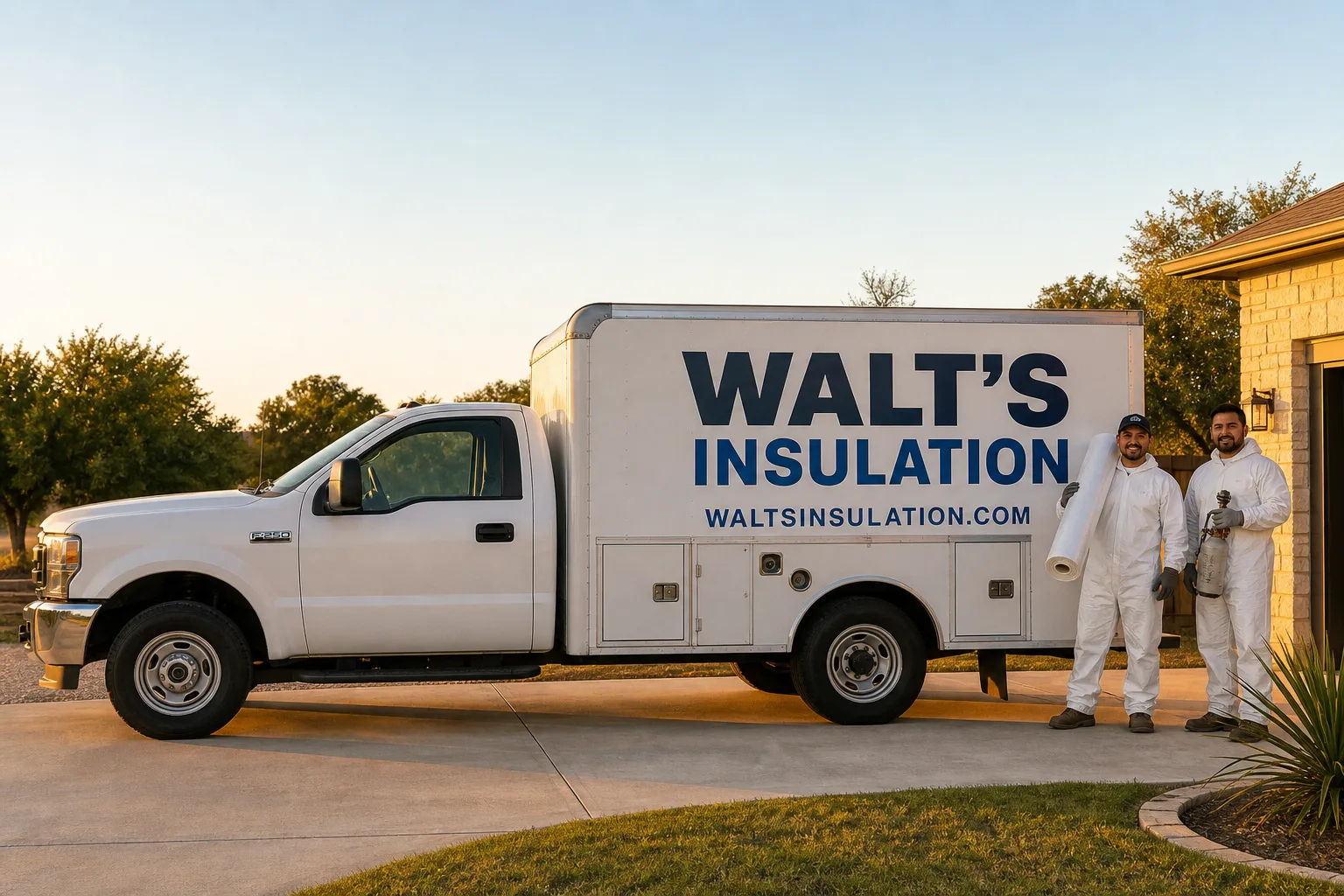
Fast, Reliable Attic Insulation Across Houston
If your Houston attic is under-insulated, you’re paying for it every time the AC kicks on. Attic insulation here typically runs $1,800 to $4,500 for a full replacement in an average 1,800-square-foot ranch, and blown-in top-up work usually lands between $900 and $2,200. We get into Pasadena, Humble, Spring, and Pearland the same week, and we answer the phone live when you call (866) 751-4428. Walt’s Insulation has worked in Houston attics since 2000, and we know exactly what this climate does to insulation that was installed wrong or has simply given up.
Why Walt’s Insulation Is Houston’s Preferred Attic Insulation Company
Most Houston homeowners come to us after being burned. A restoration crew stuffs wet batts back after a flood, or a cheap bidder blows R-19 over a 1960s attic floor and calls it done. We show up, inspect honestly, and fix what’s actually wrong. Houston customers talk about the difference in our reviews: the technician who crawls the whole attic before quoting, the crew that respects the house, the bill that matches the estimate. We’ve built our reputation one attic at a time across Meyerland, Clear Lake, the Heights, and beyond.
We’re not a franchise and not a reseller. Walt’s Insulation is locally owned and operated by Walt Brenner. Every job is backed by our Done Right Promise: if it’s not done right, we make it right. No runaround, no call center. A live person answers our phones 24/7, and background-checked, uniformed technicians do the work. We publish our address and license number. If you’re comparing quotes, we’ll give you a free second opinion on any written estimate, and there’s no trip charge inside Harris County. Seniors and veterans always get 10% off.
Our Attic Insulation Services in Houston
Blown-In Attic Insulation
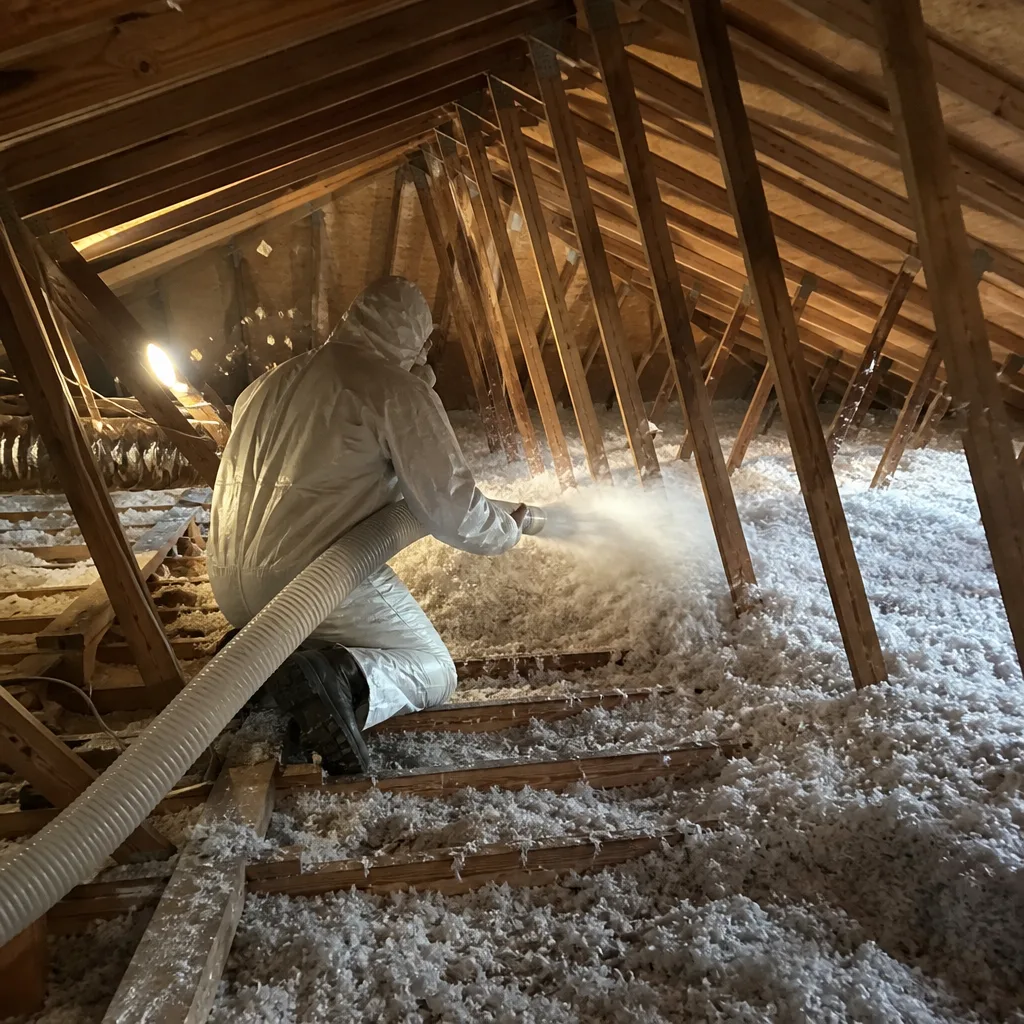
Loose-fill fiberglass like Owens Corning AttiCat or GreenFiber cellulose is the workhorse for most Houston attics. It fills odd angles, gets under ductwork, and brings an R-19 attic up to R-38 or R-49 without tearing anything out. In a 150°F attic, depth matters. We blow to the manufacturer’s spec, not to whatever the last crew felt like doing. Houston attics need a true minimum of R-38 across the ceiling plane, and R-49 is better for the hottest months.
Attic Batt Insulation
Batt insulation has its place in Houston when we’re working between joists in a clean attic, especially in newer Energy Corridor builds or conditioned spaces where the roof deck isn’t exposed. We install Johns Manville and CertainTeed batts with tight side-cuts and consistent depth. Sloppy batt work leaves seams and gaps that short-circuit the whole assembly, and that’s exactly what we find when a builder-grade crew did the original install.
Attic Insulation Top-Up
If your attic has insulation but it’s thin, settled, or just old, a top-up is often the cheapest real fix you can buy in Houston. We air-seal first, then blow fresh fiberglass or cellulose over the existing layer. A typical top-up in Houston runs $900 to $2,200 depending on depth and square footage. We see homes that were built with R-13 or R-19 in the 1970s and never touched again. Getting those attics to R-38 changes the temperature of every room on the top floor.
Attic Insulation Replacement
Sometimes the existing insulation can’t be saved. Post-flood contamination, rodent damage, or decades of compressed, mold-stained fiberglass means the old material has to come out before anything new goes in. We remove it, sanitize the attic floor, air-seal the ceiling plane, and blow fresh insulation to current code. This is the most common job we do in Meyerland and other Harvey-affected subdivisions. The attic floor can look fine from the hatch and be useless up close.
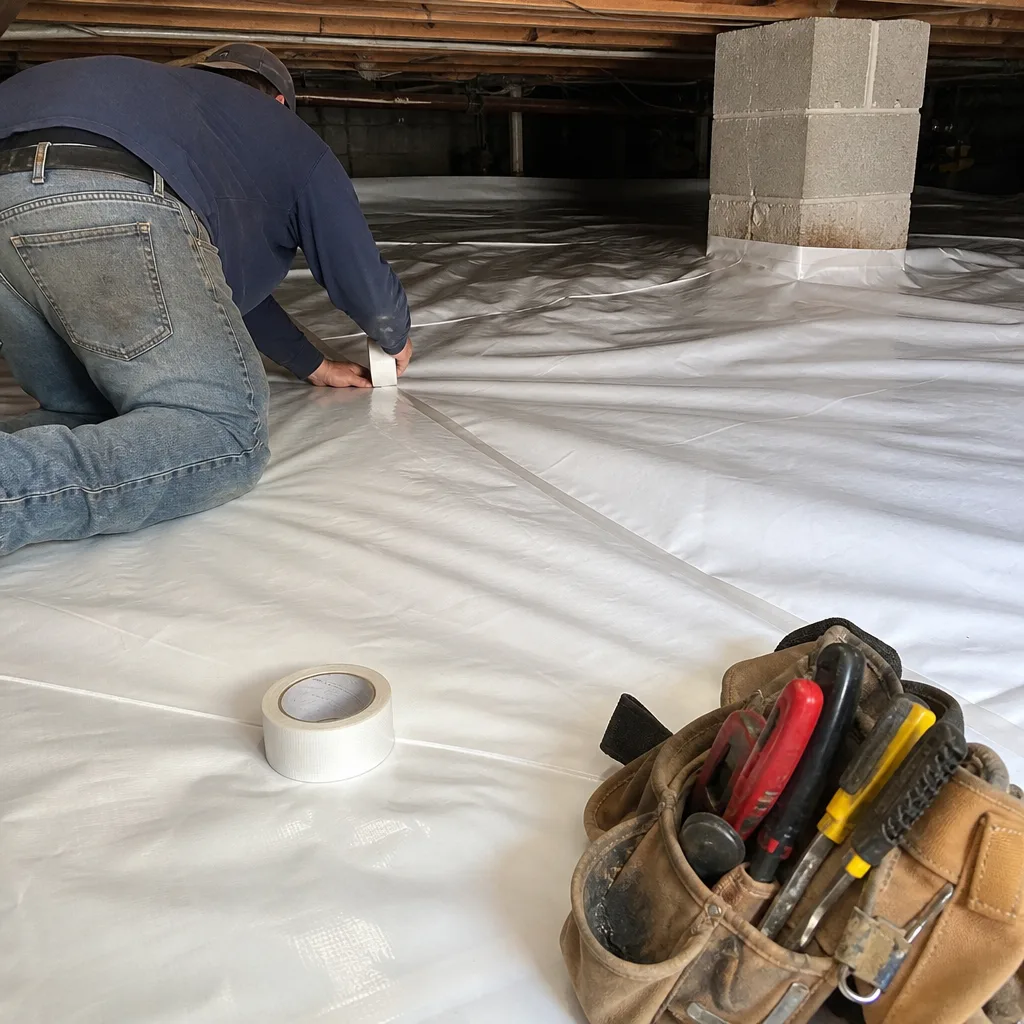
Attic Baffles & Ventilation Prep
Ventilation is half the battle in a Houston attic. Baffles keep blown-in insulation from blocking your soffit vents, which lets outside air move through the attic instead of trapping heat and moisture. We install baffles before every blown-in job that needs them, and we’ll tell you honestly if your soffit vents are already blocked or undersized. A well-ventilated attic drops maybe 20 degrees off peak summer temperature, which reduces the strain on your insulation and your AC.
What happens when you call
- 1
A real person answersNo phone trees - you reach a local pro.
- 2
You get an upfront price rangeHonest numbers before anyone is dispatched.
- 3
A background-checked tech heads outLicensed & insured, dispatched right away.
- 4
You approve before work beginsNothing starts until you say go.
Trusted Brands We Service in Houston
We work with materials we’d put in our own attics. Owens Corning and Johns Manville for fiberglass, Demilec for spray foam, GreenFiber for cellulose. Every job gets the right material for the condition, not whatever’s on the truck. Because we’re based right here in metro Houston, we keep these materials coming and can schedule replacements or repairs without driving parts in from out of state. You won’t wait three weeks because a distributor dropped the ball.
Common Attic Insulation Problems We See in Houston Homes
- Post-Harvey contaminated batts. In flood-prone subdivisions like Meyerland, restoration crews often pulled out sopping fiberglass, let it dry, and stuffed it back. That material is compressed, mold-stained, and thermally worthless. We check for it on every single job in southwest Houston.
- Interior-side vapor retarders trapping moisture. Houston’s summer vapor drive runs inward: hot, humid outdoor air pushes toward the cool, conditioned house. A vapor retarder on the interior side of an assembly can trap that moisture in the wall cavity. Northern contractors do it by habit; in Houston it’s a mold factory.
- Ductwork sweating in 150°F attics. The ducts running through unconditioned attic space carry 55-degree air through a 150-degree oven. That temperature difference makes condensation soak duct insulation and surrounding fiberglass, which then collapses and loses R-value.
- Under-insulated slabs built before Texas adopted the IECC. The 1960s through 1990s ranch tracts in Clear Lake, the Energy Corridor, and across southwest Houston were built with minimal attic insulation and no coherent air-sealing. They’ve been hot upstairs and expensive to cool for thirty years.
Pricing for Attic Insulation in Houston, TX
Full attic insulation replacement in Houston typically runs $1,800 to $4,500 depending on square footage, depth, and whether removal is required. A blown-in top-up on top of existing insulation runs $900 to $2,200. Air sealing is usually $400 to $1,000 as an add-on. Attic insulation removal on a heavily contaminated floor runs $1,500 to $3,000. We give upfront pricing before the work starts, no per-hour surprises, and the estimate barely moves between the first visit and the final invoice. We also offer $40 off any repair over $200. Call (866) 751-4428 for a free estimate.
We Also Serve Cities Near Houston
Our crews work throughout the Houston metro. We serve Attic Insulation customers in Pasadena, Humble, Spring, and Pearland regularly, and we know the neighborhoods. If you’re just outside the city, call us and we’ll schedule you with the same crew and the same warranty. You get the Walt’s Insulation treatment whether you’re in the loop or out in the suburbs. Visit our Attic Insulation in Houston page for a full picture of the work we do across the metro.
Serving Houston, TX - Our Local Coverage Area
We’re based in the Houston area and know this community well. Use the map below to see our service coverage - if you’re nearby, we can almost certainly help.
FAQs - Attic Insulation in Houston
Fiberglass on the attic floor insulates your ceiling, not your ducts. The ducts running through 150-degree attic air still bake, so the AC has to fight 90 or 100 degrees of heat gain across the duct walls. That’s why duct sweating, condensation, and warm bedrooms are so common in Houston ranch homes. The fix that actually works here is sealing the roof deck to bring the attic into conditioned space, or at minimum air-sealing the ceiling plane and adding rafter baffles so the attic can vent. Call (866) 751-4428 and we’ll inspect your setup and tell you what’s really going on.
Yes, and the difference is the dew point. Houston’s outdoor air carries a moisture load that Dallas and San Antonio simply don’t have for seven months a year. Encapsulating a Houston attic with Demilec open-cell or closed-cell foam moves the ductwork into conditioned space and stops the inward vapor drive in its tracks. The energy savings you get from that in Houston are measurably higher than the same project in a drier Sun Belt market. It’s not a gimmick here; it’s the right tool for this climate. We’ll quote it honestly against other options and let you decide.
Because the “new” fiberglass may not be new, and it may not be dry. Restoration crews under time pressure often recovered batts, set them out to dry, and reinstalled them with mold, silt, and compression baked in. Our crew recently remediated a Meyerland ranch where the attic floor showed compressed, mold-stained fiberglass batts stuffed back after Harvey flooding. We pulled the contaminated material, air-sealed the ceiling plane, blew in fresh Owens Corning AttiCat fiberglass to R-38, and installed rafter baffles to restore soffit ventilation. The homeowner’s AC runtime dropped noticeably the first week, and the stale, musty smell coming from the attic disappeared. If you’re not sure what’s under your feet, call us and we’ll take a look.
No. In Houston’s Climate Zone 2A, vapor drive runs inward during summer: hot, wet outdoor air pushes toward your cool, air-conditioned house. A vapor retarder on the interior side traps that moisture in the wall cavity or attic assembly and feeds mold. Northern contractors and DIY guides sometimes get this wrong. The better move for a 1960s Houston house is air-sealing at the ceiling plane and making sure the attic can vent. We’ll tell you exactly what your assembly needs, and nothing it doesn’t.
For Houston, the right target is R-38 minimum across the ceiling plane, with R-49 preferred if you can fit it. During the February 2021 winter storm, homes with R-19 or lower lost heat immediately, and exposed water lines in attics froze in hours. R-38 helps both directions: it slows solar heat gain in summer and slows heat loss during the rare hard freeze. We’ll measure your current depth and quote a top-up if you’re short. Call (866) 751-4428 for a free estimate, and we’ll give you the exact depth and R-value you need for your house.
Written by Walt Brenner, Owner at Walt’s Insulation, serving Houston and the surrounding metro since 2000.