
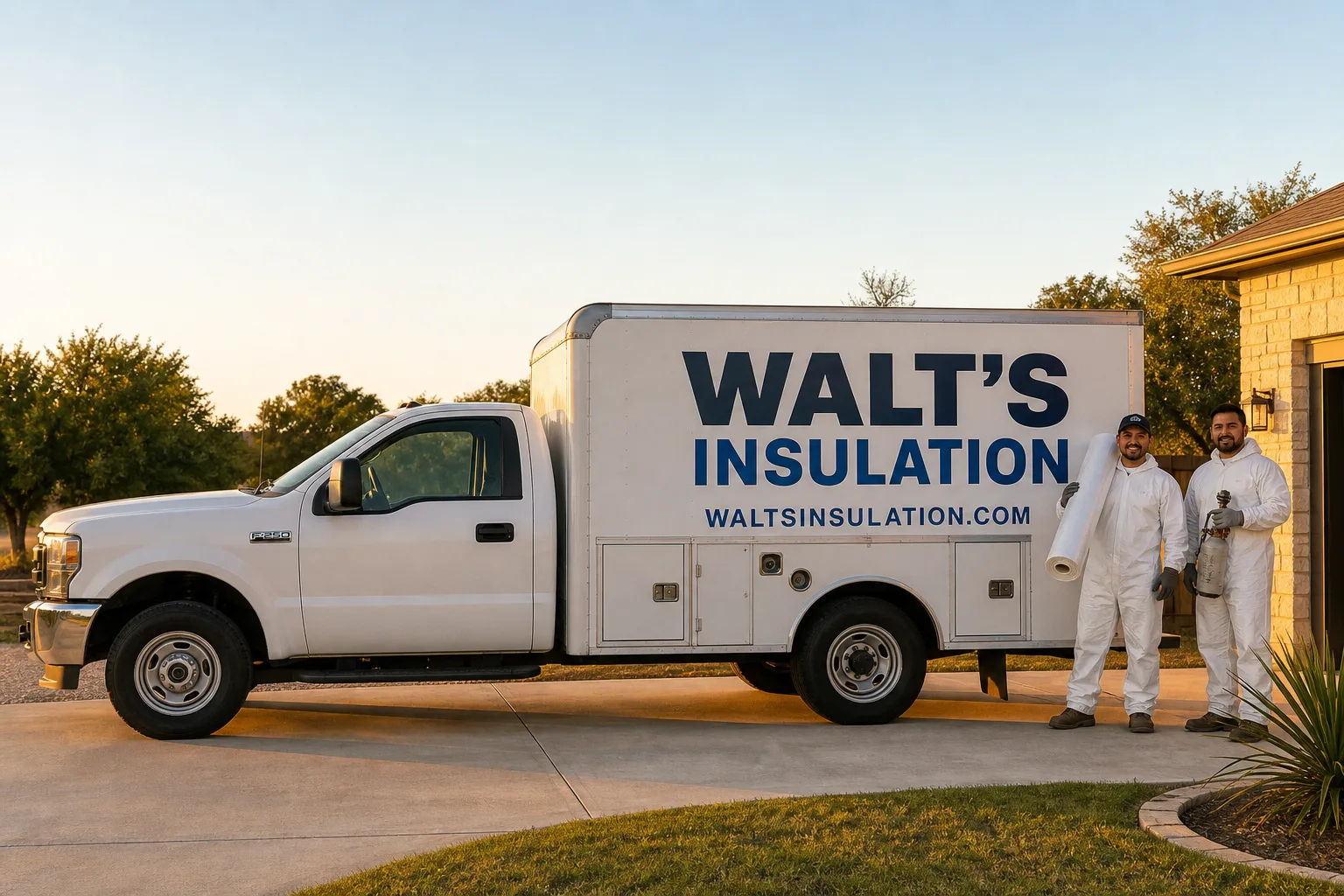
Fast, Reliable Attic Insulation Across Plano
Attic insulation in Plano typically costs $1,500-$4,200 for a full replacement in a standard 2,000-3,500 sq ft home, with top-ups running $800-$1,600. Most jobs are completed in one day. We’ve been working in Plano subdivisions since 2000, and we know exactly what’s hiding above the ceilings of the brick-veneer tract homes built during the 1980s and 1990s corporate-relocation boom. If your attic still has its original batts, you’re paying more to cool your house every single summer than a properly insulated neighbor. Call (866) 751-4428 and we’ll tell you straight what you need.
Why Walt’s Insulation Is Plano’s Preferred Attic Insulation Company
Walt Brenner started this business because he kept seeing the same thing in homes across the metro: attics insulated to bare-minimum standards that were quietly bleeding money every August. That’s especially common in Plano, where thousands of homes went up rapidly between 1980 and 1995 without the air-sealing or the R-value current code demands. We’re the one down the road, not a national chain running crews from three states away. When you call, a live person answers 24/7. When our technicians show up, they’re background-checked, uniformed, and they know the difference between a Legacy-area executive home with multiple attic zones and a central Plano three-bedroom with a single vented attic.
Plano homeowners tell us the same thing after we leave: they wish they’d done it five years ago. The Done Right Promise backs every single job for life. If it’s not done right, we make it right. No runaround, no warranty-claim maze. That’s the whole point of being owner-operated. Walt’s name is on the door and on every invoice.
Our Attic Insulation Services in Plano
We tailor every job to the house and the subdivision. A 1986 home in the Hunters Glen area needs different work than a 2012 build off Legacy Drive. Here’s what we do most often for Plano homeowners.
Blown-In Attic Insulation
For most Plano homes built after 2000, blowing in fiberglass or cellulose is the fastest path to R-38. We run Owens Corning and GreenFiber products, chosen based on your attic layout, duct placement, and whether you have recessed lights that need proper clearance. A standard Plano ranch with a vented attic takes us about four to six hours. You’ll notice the difference the first hot week.
Attic Batt Insulation
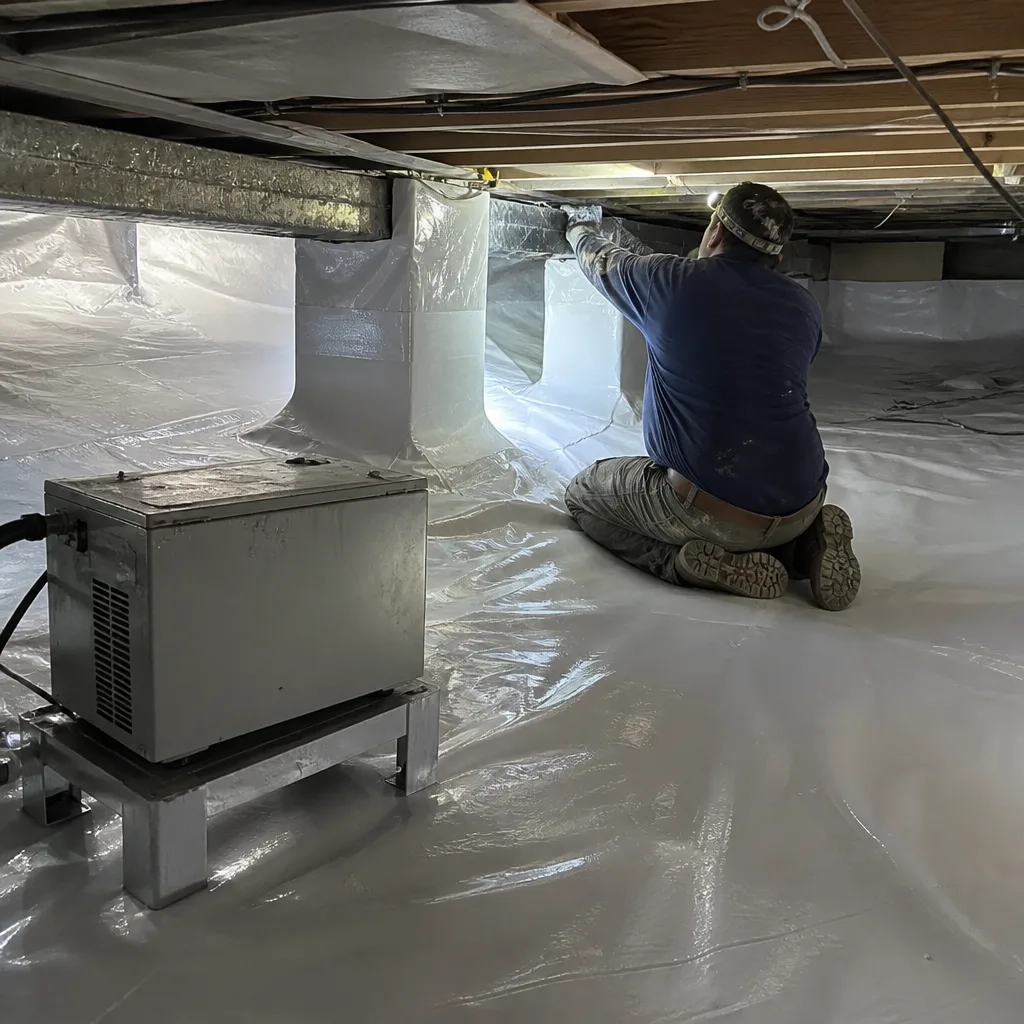
In attics with complex framing, tight eave access, or existing batts that are still in decent shape, we use CertainTeed or Rockwool batts. This is common in northern Plano’s newer executive homes along the Granite Park corridor, where multi-plane rooflines create awkward spaces that blown material doesn’t always cover evenly. We cut and fit every batt to your actual joist spacing, not to whatever’s convenient.
Attic Insulation Top-Up
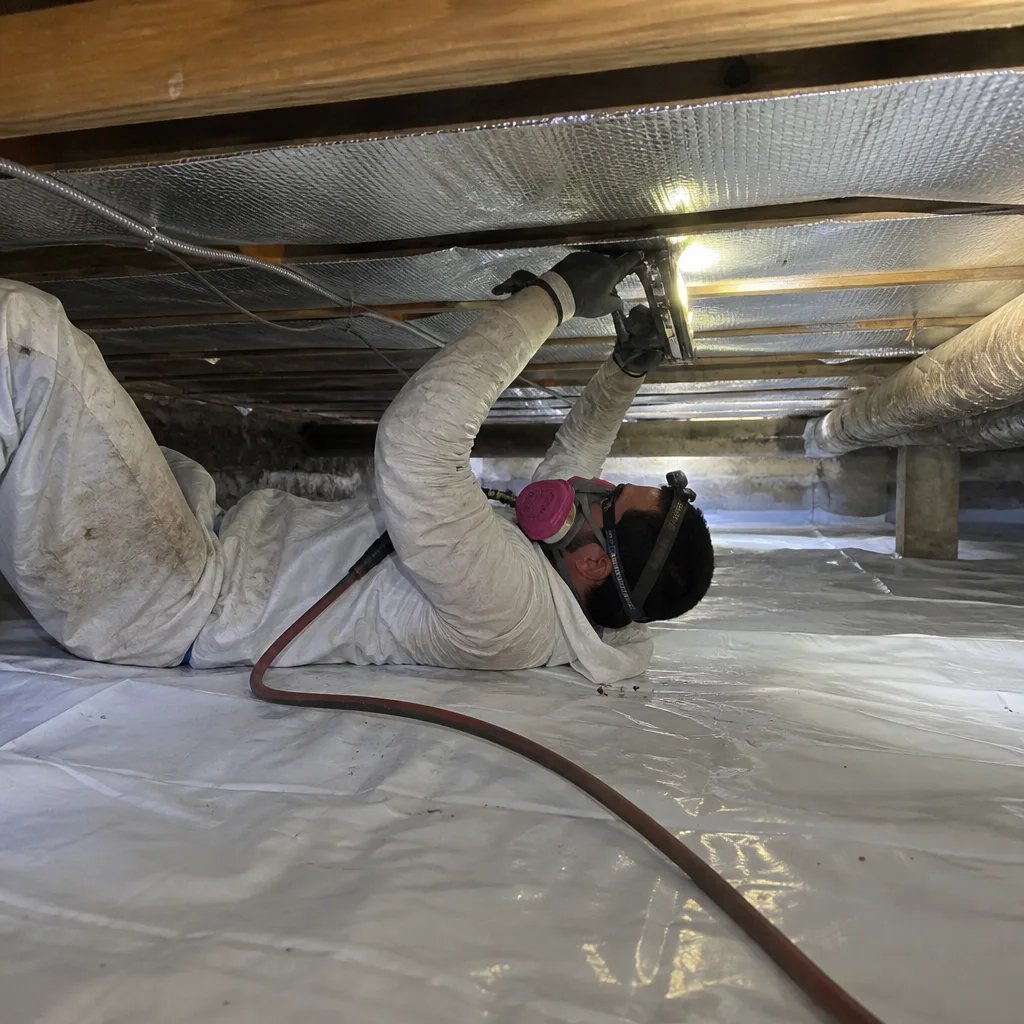
If your existing insulation is clean, dry, and pest-free but just not deep enough, a top-up gets you to R-38 at a fraction of the cost of full replacement. Many Plano homes built in the early 2000s have R-30 blown fiberglass that settled to R-22. We verify depth with a ruler, check for air gaps at top plates, and blow in a fresh layer right over the top. Two to three hours of work, immediate reduction in attic heat transfer.
Attic Insulation Replacement
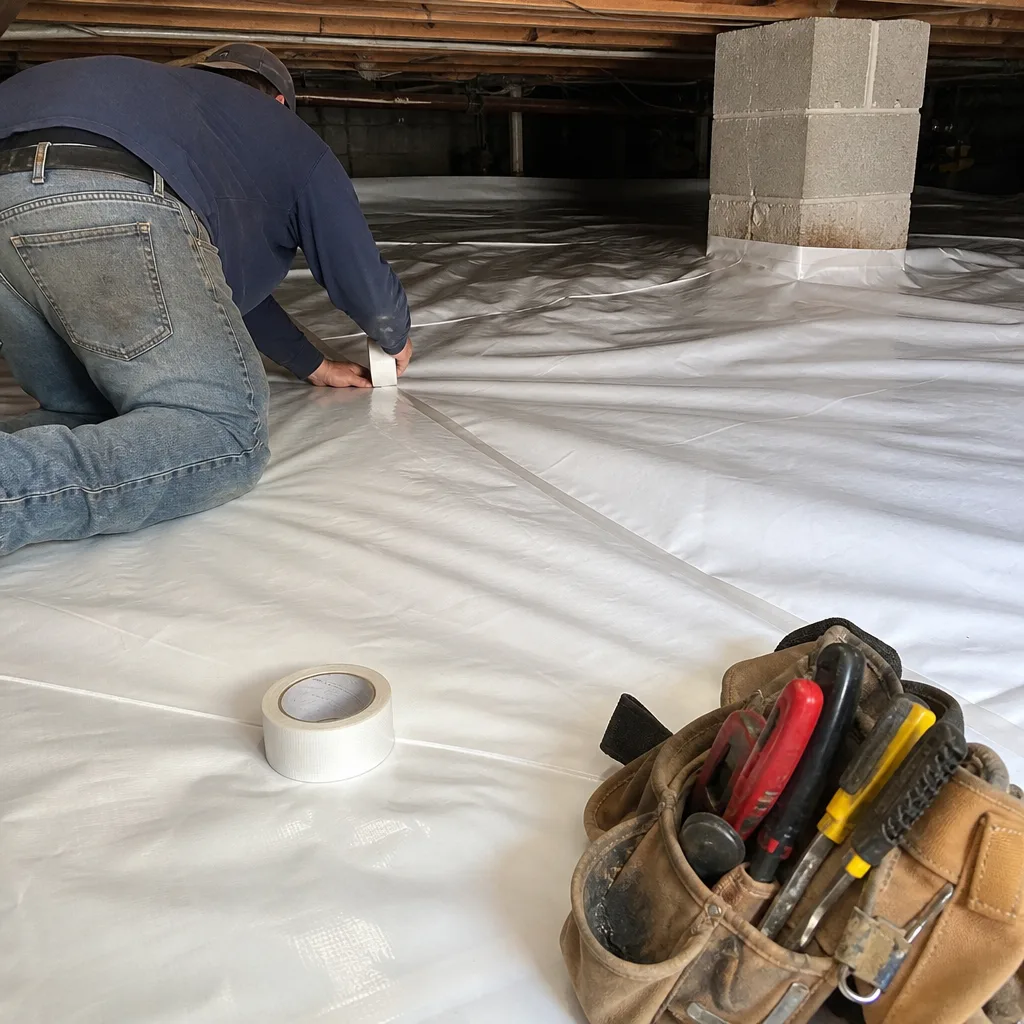
This is the big one for Plano’s older stock. If your attic still has the original 4-6 inches of compressed fiberglass from the 1980s, adding more on top doesn’t fix the problem. The old material is thermally dead, and it’s usually sitting on top of gaps and penetrations that were never sealed. We remove everything, inspect the attic floor, air-seal top plates and any wire or plumbing penetrations, and install fresh insulation to R-38 or better. More on this below because it’s the most important service we perform in Plano.
What happens when you call
- 1
A real person answersNo phone trees - you reach a local pro.
- 2
You get an upfront price rangeHonest numbers before anyone is dispatched.
- 3
A background-checked tech heads outLicensed & insured, dispatched right away.
- 4
You approve before work beginsNothing starts until you say go.
Trusted Brands We Service in Plano
We install insulation from manufacturers we’d put in our own homes. That means GreenFiber cellulose and Owens Corning fiberglass for most blown-in jobs, CertainTeed and Rockwool for batts, and Icynene or Demilec spray foam when the project calls for it. We keep common materials stocked for Plano jobs, so we’re not waiting on a distributor when your attic is already prepped. If you have a preference after doing research, tell us. We’ll walk through the tradeoffs honestly, including cost per R-value and how each material performs in a cooling-dominated climate like North Texas.
Common Attic Insulation Problems We See in Plano Homes
After 25 years of pulling attic hatches across the city, these are the four issues we flag most often.
- Pre-1995 original batts compressed to R-19 or below: Homes built before Texas adopted its first statewide energy code have 4-6 inches of fiberglass that has settled hard. It’s effectively R-11 to R-15 now. A Plano homeowner with original insulation is paying 30-40% more on cooling than they should.
- No air-sealing at top plates and penetrations: The 1980s tract builders didn’t seal where interior wall cavities meet the attic floor. Conditioned air pours up through electrical penetrations, around recessed lights, and at plumbing vents all summer. More R-value helps, but sealing these leaks matters just as much in Plano’s climate.
- February 2021 freeze damage hidden in the attic: That storm didn’t just burst pipes. It drove warm, moist interior air into cold attic spaces, causing condensation, mold spots on sheathing, and water staining around bath fans. If you haven’t looked in your attic since that week, call us. Several Plano homes we inspected afterward had damage the homeowner didn’t know about.
- Bathroom and kitchen exhaust vents dumping into the attic: Older Plano homes often route exhaust fans directly into the attic instead of through the roof. That’s moisture, heat, and mold risk. We correct the venting as part of any insulation project.
Pricing for Attic Insulation in Plano, TX
Here’s what Plano homeowners should budget. A blown-in top-up on a standard 2,500 sq ft home runs $900-$1,500. Full removal and replacement of degraded 1980s batts, including air-sealing and new blown-in insulation to R-38, runs $2,800-$4,200 for a 2,000-3,000 sq ft home, and $4,500-$6,000 for larger homes or those with multiple attic zones. Batt installation in complex attic spaces runs $2.50-$3.50 per sq ft of insulated area. Factors that move the price: attic access difficulty, how much old material needs removal, whether baffles need replacing, and whether we’re correcting venting. Every quote is itemized and we don’t add fees at the end. Bring us a written estimate from any other licensed company and we’ll give you a free second opinion. Seniors and veterans always get 10% off, and there’s no trip charge for Plano homes.
We Also Serve Cities Near Plano
Our crews work throughout the North Dallas suburbs. If you’re in Plano proper, we’re usually at your door within 24 hours for estimates. We also run daily routes through Allen, Richardson, Carrollton, and Garland. Same ownership, same Done Right Promise, same live-answer phones. If you’re close enough to see Plano from your neighborhood, we’re close enough to help.
Serving Plano, TX - Our Local Coverage Area
We’re based in the Plano area and know this community well. Use the map below to see our service coverage - if you’re nearby, we can almost certainly help.
FAQs - Attic Insulation in Plano
Pull the attic hatch and measure. If you see 4-6 inches of fiberglass or cellulose, it’s original and it’s performing at R-19 or worse. If your home was built between 1980 and 1995 and you’ve never added insulation, you’re almost certainly under-insulated. We can confirm in ten minutes with a tape measure and a thermal scan. Call (866) 751-4428 and we’ll check it free while we’re out for an estimate.
Plano summers push attic temperatures past 150°F. If the gaps at your top plates and penetrations aren’t sealed, superheated attic air is drawn into your conditioned space through the stack effect. Sealing those leaks can cut your cooling load by 15-20% on its own, before you add one inch of insulation. We treat air-sealing as a required step in every replacement project.
It did. Thin-shelled 1980s homes with under-insulated attic floors developed condensation in interior wall cavities when warm indoor air hit cold framing. That led to damp drywall, mold in the stud bays, and in several cases we saw, water stains around bath fans where moist air never made it outside. After the freeze, we added attic inspection to every estimate because the damage was real and it was widespread. If you haven’t had your attic checked since then, now’s the time.
If your existing insulation is clean, dry, free of pests, and deeper than about 6 inches, a top-up is fine. If it’s the original 1980s material, compressed and grayed, replacement is the right call. Old fiberglass doesn’t regain its loft, and it’s usually hiding air leaks at the attic floor that no top-up will fix. We’ll show you photos from your own attic and tell you straight which one you need. You won’t get upsold.
If your attic has soffit vents, yes. Proper baffles keep blown insulation from blocking airflow from the soffits to the ridge or roof vents. Without them, you create dead air zones that trap heat and moisture. Most 1980s Plano homes either never had baffles or had cheap foam ones that have disintegrated. We install rigid baffles at every rafter bay with a soffit vent as part of any replacement job.
What to Look for in a Plano Attic Built Between 1980 and 1995
Plano’s explosive suburban buildout concentrated thousands of brick-veneer tract homes that were insulated to the minimal standards of that era, typically R-19 or less in the attic. Those homes are now hitting the 30-40-year mark simultaneously, with original blown fiberglass and batts that have settled, compressed, and degraded. That’s created a city-scale retrofit wave, and it’s geographically concentrated in a way no neighboring city matches. Central and east Plano subdivisions built before Texas adopted its first residential energy code in the mid-1990s have only 4-6 inches of original fiberglass with virtually no air-sealing at top plates. An experienced local technician can flag these jobs almost by street address and subdivision era before ever pulling an attic hatch. We can too.
Here’s what that looks like in practice. We recently pulled the attic hatch on a 1987 brick-veneer home in the Dallas North Estates subdivision off Legacy Drive and found the original Owens Corning pink batts had compressed to less than 4 inches, with visible gaps at top plates and zero air-sealing. Our crew removed the degraded fiberglass, air-sealed every penetration, and blew in GreenFiber cellulose to R-38. The homeowner’s summer cooling load dropped dramatically, and the ice dams that formed along the north eave during the February 2021 freeze didn’t come back.
Northern Plano’s newer executive homes along the Legacy and Granite Park corridors are a different beast. Those 2000s-2010s builds have complex multi-plane rooflines and multiple attic zones. The insulation in them is often adequate in R-value but riddled with air leaks between conditioned and unconditioned spaces. We approach those attics differently: more time spent mapping the thermal boundary, more attention to the knee walls and vaulted ceiling transitions. One size fits none of them.
The common thread across Plano, whether your house went up in 1985 or 2015, is that July and August are expensive here. Attic temperatures in a Plano summer routinely exceed 150°F. That’s not an exaggeration, it’s the reality of a cooling-dominated climate. Your attic insulation either resists that heat or it doesn’t. The old stuff doesn’t.
Call Walt’s Insulation for Attic Insulation in Plano
If your TVA or CoServ electric bill makes you wince every summer, or if you felt the cold seep through your ceiling during that February deep freeze, call us. We’ll send a technician who knows Plano’s housing stock cold, gives you an honest assessment with itemized pricing, and treats your home like it’s on the block next to his. Call (866) 751-4428 now. The estimate is free, the second opinion is free, and there’s no trip charge inside the county. You’ll talk to a live person, not a voicemail.
Written by Walt Brenner, Owner at Walt’s Insulation, serving Plano and the North Dallas suburbs since 2000.