
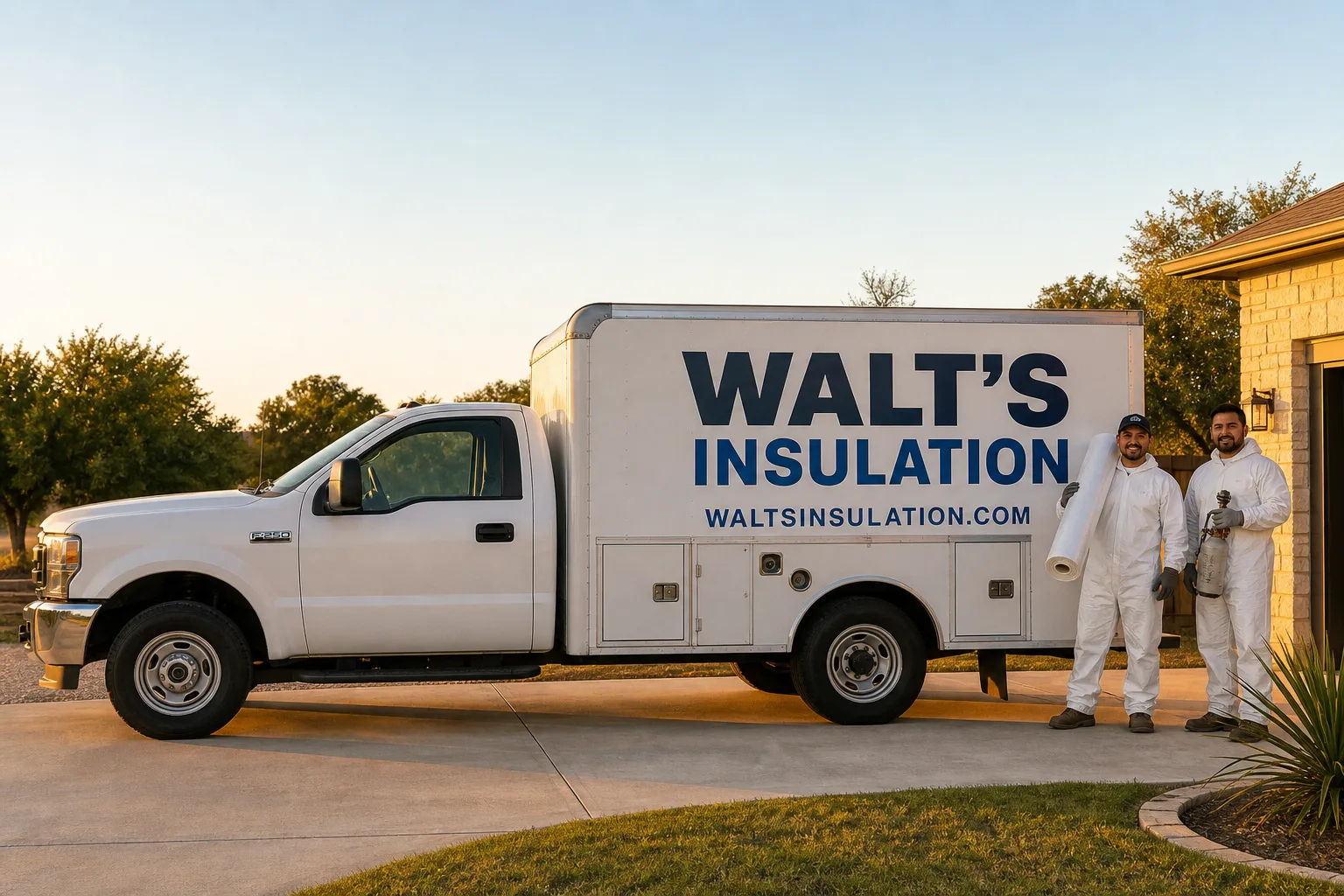
Insulation in Charlotte, NC
Crawl space encapsulation is the single most common upgrade we recommend to Charlotte homeowners, and it usually pays for itself in the first two years through lower cooling bills and fewer moisture problems. The 1990s and 2000s banking boom left Charlotte with tens of thousands of wood-frame homes built to minimum energy codes, and almost all of them have open, damp crawl spaces that pull humid Piedmont air up through the floors. If your home was built between 1990 and 2010 in neighborhoods like Ballantyne, Steele Creek, or Mint Hill, chances are it was insulated to R-19 to R-30 in the attic, has rim joists that were never sealed, and sits on red clay that holds water against the foundation year-round. Call us at (866) 751-4428 and we’ll tell you exactly what’s happening under your house and what it costs to fix.
Why Charlotte Homes Are Different
Charlotte sits in IECC Climate Zone 4A, and that single designation drives nearly every insulation decision we make here. In Zone 4A, vapor drive reverses seasonally. In summer, humid outdoor air pushes inward through walls and floors toward your air-conditioned rooms. In winter, warm interior moisture pushes outward toward the cold sheathing. That means vapor barrier placement in Charlotte can’t follow the same playbook as coastal Wilmington or mountain Asheville. Get the vapor retarder on the wrong side of the assembly and you trap moisture inside a wall cavity, which grows mold inside a few summers. The other thing that defines Charlotte insulation work is the housing stock. The dominant inventory is 1990s-to-2010s suburban tract construction, built fast during the Bank of America and Wachovia expansion years. These houses have minimum-code attic insulation, high air leakage at top plates and rim joists, and forced-air systems that struggle to keep up with summer heat index values above 100°F. The older segment, the 1920s-to-1940s Craftsman bungalows and mill cottages in Dilworth, Plaza Midwood, NoDa, and Optimist Park, often has zero wall insulation and attics with a couple inches of settled dust. Both housing types need different approaches, and both are worth doing right the first time.
Our Main Charlotte Services
Two services account for most of the calls we take from Charlotte homeowners, and both trace back to this city’s housing age and the Zone 4A humidity load: attic insulation retrofits on under-insulated 1990s framing, and full crawl space encapsulation to stop the red-clay moisture cycle.
Attic Insulation in Charlotte
Attics in Charlotte’s 1990s-to-2000s suburban stock were built to R-19 or R-30 in many cases, which is roughly half of what the current energy code recommends for Zone 4A, and the original batts have often settled, been trampled by cable installers, or been blown around by powered attic ventilators. The result is a ceiling deck that lets conditioned air escape in summer and warm air leak out in winter, forcing your heat pump to run longer. We inspect what’s up there, air seal before we add insulation, and then bring you up to a level that actually works for Charlotte’s summers. You can read the full breakdown on Attic Insulation in Charlotte, including what different roof types cost per square foot.
What happens when you call
- 1
A real person answersNo phone trees - you reach a local pro.
- 2
You get an upfront price rangeHonest numbers before anyone is dispatched.
- 3
A background-checked tech heads outLicensed & insured, dispatched right away.
- 4
You approve before work beginsNothing starts until you say go.
Crawl Space Encapsulation & Vapor Barrier in Charlotte
In Charlotte, a damp crawl space is the default condition for most homes built on the Piedmont’s red clay, and the failure of original fiberglass batt floor insulation in Ranch and split-level houses across eastern neighborhoods like Eastland, Hickory Grove, and Briar Creek is so common we can predict it from the address. Our Crawl Space Encapsulation & Vapor Barrier work starts from a simple fact: in this climate, you must control the moisture before any thermal insulation under the floor will hold up long-term. Summer humidity pushes into vented crawl spaces all season, and once the ground vapor barrier fails or is missing entirely, the floor joists, subfloor, and whatever insulation was stapled between them sit in a moisture bath from June through September. The fix is not more insulation. The fix is sealing the crawl space properly, and the order of operations matters: moisture control first, insulation second.
Crawl Space Vapor Barrier
Signs you need it
Standing water after heavy rain, damp floor joists, musty smells that drift up into the house in summer, and visible condensation on ductwork under the floor.
What it costs in Charlotte
For a typical Charlotte crawl space under 1,500 square feet, a 12-mil vapor barrier with sealed seams and foundation-wall attachment runs $1,800 to $3,500.
How we do it
We pull back or remove failed plastic, level it where needed, lay a 12-mil or heavier liner across the floor, and extend it up the foundation walls where it gets mechanically fastened and taped. Seams are overlapped and sealed so rising soil gas and ground moisture stay below the barrier.
Crawl Space Encapsulation
Signs you need it
Persistent high indoor humidity in summer, warped hardwood floors, energy bills that spike every July and August, or an HVAC system that can’t hold 50% relative humidity indoors.
What it costs in Charlotte
Full encapsulation covering floor, walls, piers, and a dehumidifier installation runs $7,000 to $12,000 for most Charlotte-area crawl spaces, depending on square footage and access.
How we do it
After the vapor barrier is in place, we seal foundation vents, insulate the band joist and crawl space walls with closed-cell foam or rigid board, and install a properly sized dehumidifier. We then condition the space and verify it holds below 55% relative humidity.
Crawl Space Moisture Control
Signs you need it
Rust on appliance legs, mold on the subfloor or joists, peeling paint near baseboards, and that characteristic smell of standing crawl space water after a rain. If your sump pump runs constantly in spring, moisture control is past due.
What it costs in Charlotte
Drainage correction, sump pump work, or foundation drain repairs around a Charlotte crawl space typically run $2,500 to $6,500, depending on how much slope and gutters are working against you.
How we do it
We map where water enters, correct grade or downspouts where needed, install or repair sump pumps and perimeter drains, and then bring the space back under the vapor barrier so the moisture load never reaches your framing.
What Crawl Space Encapsulation & Vapor Barrier Costs in Charlotte
| Item | Typical range in Charlotte |
|---|---|
| Vapor barrier only (12-mil, sealed) | $1,800 - $3,500 |
| Full encapsulation with dehumidifier | $7,000 - $12,000 |
| Moisture control / drainage correction | $2,500 - $6,500 |
| Crawl space insulation (closed-cell rim & walls) | $3,000 - $8,000 |
Does crawl space encapsulation really cut energy bills in Charlotte?
Yes. Sealing and dehumidifying a Charlotte crawl space typically cuts cooling costs 10% to 20% because your HVAC no longer fights the humid air rising through the floor. The Dehumidifier runs a little, but the air handler works less and your ducts stop sweating.
Is a vapor barrier enough, or do I need full encapsulation in Charlotte?
A vapor barrier addresses ground moisture. Full encapsulation also seals vents, insulates walls and rim joists, and conditions the space. In Charlotte’s Zone 4A summers, a barrier alone still leaves humid outdoor air entering through vents. Call us for a straight answer on your particular crawl space.
Spray Foam Insulation in Charlotte
Spray foam is the material we recommend most often for Charlotte’s hot, humid construction because it solves two problems at once: it insulates and it air seals in a single pass. In the dozens of 1990s wood-frame houses we service across Steele Creek and University City, the biggest energy leak is not the thin attic batts, it’s the open top plates, rim joists, and penetrations that let humid outside air move straight through the envelope. Our Spray Foam Insulation work in Charlotte uses open-cell and closed-cell foams from Icynene and Demilec, sized for the application: open-cell for attics and walls where you want drying potential, closed-cell for rim joists, crawl space walls, and any area exposed to moisture or flooding risk.
Closed-Cell Spray Foam
Signs you need it
Rim joists that are bare or stuffed with faded fiberglass, crawl space walls that sweat, or rooms that never hold temperature against the house’s exterior band.
What it costs in Charlotte
Closed-cell spray foam in Charlotte runs $1.50 to $3.50 per board foot installed, with rim joist packages in a typical home falling around $1,500 to $3,000.
How we do it
We prep and mask the area, apply the foam to the specified depth, and let it cure before trimming and inspecting. Closed-cell adds structural rigidity and acts as its own vapor retarder at sufficient depth.
Open-Cell Spray Foam
Signs you need it
Attic floors with inconsistent temperature, ceiling rooms below a hot attic that can’t hold 75°F in July, or a cathedral ceiling with no practical cavity for dense-pack.
What it costs in Charlotte
Open-cell spray foam applied to a Charlotte attic roof deck typically runs $0.90 to $2.50 per board foot installed.
How we do it
We spray the roof deck to unvent the attic, turning it into conditioned space. This keeps ductwork inside the thermal envelope and dramatically reduces heat gain in summer.
What Spray Foam Insulation Costs in Charlotte
| Item | Typical range in Charlotte |
|---|---|
| Open-cell spray foam (attic roof deck) | $0.90 - $2.50 per board foot |
| Closed-cell spray foam (rim joists / walls) | $1.50 - $3.50 per board foot |
| Rim joist package (typical home) | $1,500 - $3,000 |
| Garage ceiling spray foam | $1,500 - $3,500 |
Is open-cell or closed-cell spray foam better for Charlotte?
For most attic roof decks and wall cavities in Charlotte’s Zone 4A climate, open-cell is the better value because it allows drying while still air sealing. For rim joists, crawl space walls, or flood-prone areas, closed-cell wins because it does not absorb water and acts as a vapor retarder.
Does spray foam make a house too tight in Charlotte?
Not if ventilation is handled correctly. We have been air sealing in Charlotte homes for over 25 years, and the real risk is not tightness, it’s unplanned leakage. Controlled ventilation, usually through a dehumidifier or ERV when needed, handles the indoor air quality side. Call us and we’ll walk your specific floor plan.
Blown-In Insulation in Charlotte
Blown-in insulation is the fastest, cleanest retrofit for Charlotte’s under-insulated 1990s attics, and it’s the service we recommend when the existing batt or loose-fill has settled below the top of the joists. In homes across Mint Hill and Hickory Grove, we regularly find attic insulation depths equivalent to R-19 or R-30 that were code minimum at the time but leave the ceiling deck at the bottom of the performance curve in a city where July attic temperatures routinely exceed 140°F. Our Blown-In Insulation work in Charlotte uses either GreenFiber cellulose or fiberglass from Owens Corning, both blown to the depth required to hit R-49 or better in Zone 4A, and both installed after we air seal the attic floor, because blowing over unsealed top plates and can lights wastes the material’s thermal performance.
Blown-In Cellulose
Signs you need it
Existing insulation is below the joists, rooms under the attic can’t hold temperature, or you can see bare drywall from the attic hatch.
What it costs in Charlotte
Blown-in cellulose to bring a Charlotte attic from R-19 to R-49 runs $1,600 to $3,400 for a typical 1,500 square foot attic.
How we do it
We air seal the floor, set depth markers, and blow GreenFiber cellulose to the target R-value using a calibrated machine. Cellulose settles slightly, so we compensate for settlement in the depth calculation.
Blown-In Top-Up
Signs you need it
Insulation is present but shallow, coverage is uneven, or you suspect the original 1990s R-19 batts are no longer performing after 30 years of trampling and settling.
What it costs in Charlotte
A blown-in top-up over existing insulation in a Charlotte attic typically runs $800 to $1,800, depending on how many inches are needed.
How we do it
We verify existing depth and condition, air seal what can be reached, then blow new material directly over the existing layer to reach the target depth.
What Blown-In Insulation Costs in Charlotte
| Item | Typical range in Charlotte |
|---|---|
| Blown-in cellulose (full attic, R-49) | $1,600 - $3,400 |
| Blown-in fiberglass (full attic, R-49) | $1,800 - $3,800 |
| Blown-in top-up over existing | $800 - $1,800 |
| Dense-pack wall insulation (per wall section) | $2,500 - $6,000 |
Is blown-in insulation worth it for a Charlotte attic that already has R-30?
Usually yes, because air sealing is the bigger gain in a Zone 4A house. Going from R-30 to R-49 while sealing top plates and wiring penetrations typically cuts ceiling heat gain 15% to 25% in Charlotte’s summer. The attic is the single highest-return place to spend insulation money.
How long does blown-in insulation last in Charlotte’s heat?
Cellulose and fiberglass both last 30-plus years in a dry attic, but Charlotte’s humidity and high attic temperatures can cause cellulose to settle up to 10% over time. We compensate for settlement when we blow, and the Done Right Promise covers the work for the life of your home.
Radiant Barrier Installation in Charlotte
A radiant barrier is one of the few insulation upgrades we install in Charlotte that works purely against heat radiation, not conduction or convection, which makes it uniquely valuable for the unvented, heat-soaked attic conditions this city produces from June through September. In south Charlotte neighborhoods like Ballantyne, where large roof decks take direct sun all afternoon, an attic radiant barrier cuts ceiling heat gain by reflecting radiant energy back out through the roof rather than absorbing it into the framing. Our Radiant Barrier Installation in Charlotte is often paired with air sealing and blown-in insulation, because the barrier handles radiation while the insulation handles conduction, and the two together work better than either alone.
Attic Radiant Barrier
Signs you need it
Upstairs rooms are 8 to 12 degrees warmer than downstairs in July, the attic feels like an oven at noon, or your air conditioner runs continuously from 2pm to 7pm.
What it costs in Charlotte
A radiant barrier installed on the underside of a Charlotte roof deck runs $1,500 to $3,000 for a typical 1,500 to 2,000 square foot attic.
How we do it
We staple or fasten the reflective foil to the bottom of the rafters with the shiny side facing down into the attic, creating an air gap that reflects radiant heat before it reaches the attic floor insulation.
Radiant Barrier & Ventilation
Signs you need it
Attic temperatures regularly exceed 150°F, ridge and soffit vents are clogged or undersized, or the home has a powered attic ventilator that runs constantly in summer.
What it costs in Charlotte
Combining a radiant barrier with corrected attic ventilation in Charlotte runs $2,500 to $5,000, depending on how much soffit and ridge vent work is required.
How we do it
We first verify the ventilation balance so the attic can shed heat, then install the radiant barrier and confirm the air path from soffit to ridge is not blocked by the new foil.
What Radiant Barrier Installation Costs in Charlotte
| Item | Typical range in Charlotte |
|---|---|
| Attic radiant barrier (1,500-2,000 sq ft) | $1,500 - $3,000 |
| Radiant barrier + ventilation correction | $2,500 - $5,000 |
| Radiant barrier roof deck (new construction) | $2,000 - $4,500 |
Does a radiant barrier help in Charlotte winters?
Minimally. Radiant barriers work against summer heat gain, which is Charlotte’s dominant cooling problem. In winter the same barrier can reflect a little interior heat back into the living space, but the measurable payoff is the reduction in summer cooling load.
Do I need a radiant barrier if I already have blown-in insulation?
Not always, but in a Charlotte attic with dark shingles and full afternoon sun, the barrier is the only layer that specifically addresses radiant heat. Blown-in insulation slows conduction; the barrier reflects radiation before it reaches the insulation surface. Call us for a heat-load read on whether your attic would benefit.
Insulation Removal & Replacement in Charlotte
Insulation removal is a job Charlotte homeowners often put off until something forces the issue: a rodent infestation, a roof leak that soaked the attic floor, or a contractor discovery of old, settled, or contaminated material. In older Charlotte neighborhoods like Plaza Midwood and NoDa, the 1920s-1940s homes often have original attic materials that are decades past useful life, full of debris from a century of renovations. Our Insulation Removal & Replacement service starts with a full vacuum extraction of the old material, then a clean inspection of what’s underneath, so we can air seal and install fresh insulation to current Zone 4A standards rather than building over a problem.
Contaminated Insulation Removal
Signs you need it
Feces, urine staining, nesting material, or dead pests in the attic. Rodent activity in Charlotte attics is common in fall when rats and squirrels move in for winter.
What it costs in Charlotte
Full contaminated insulation removal and disposal in a Charlotte attic runs $2,500 to $5,000, depending on attic size and access.
How we do it
We contain the attic, run commercial HEPA-filtered vacuums to extract the contaminated material, bag it for regulated disposal, and then sanitize the deck before installing new insulation.
Vermiculite & Old Insulation Removal
Signs you need it
Pebble-like loose-fill in a home built before 1990, especially under floorboards where original materials were never upgraded.
What it costs in Charlotte
Vermiculite removal from a Charlotte attic is priced per job after testing, but typical removal runs $4,000 to $10,000 depending on volume and access.
How we do it
We test first when vermiculite is suspected, then follow EPA and North Carolina protocols for controlled removal, packaging, and disposal through a licensed handler.
What Insulation Removal & Replacement Costs in Charlotte
| Item | Typical range in Charlotte |
|---|---|
| Contaminated insulation removal & disposal | $2,500 - $5,000 |
| Vermiculite removal (tested, licensed) | $4,000 - $10,000 |
| Full attic removal + replacement (1,500 sq ft) | $3,500 - $7,000 |
| Debris / failed insulation cleanout | $1,500 - $3,000 |
Do I have to remove old insulation before adding new in Charlotte?
Not always. If the existing material is dry, uninfested, and not compressed, you can often blow over it. But if it’s contaminated, water-damaged, or packed down by attic traffic, removal is the only way to get a clean air-sealing surface. We’ll tell you which case you’re in before we quote anything.
Is vermiculite insulation common in Charlotte homes?
It appears in a minority of pre-1990 homes, mostly in older mill-era neighborhoods like Optimist Park and parts of Dilworth. Testing is inexpensive, and we never disturb vermiculite until it’s been analyzed. Call us and we’ll arrange the test.
Attic Air Sealing in Charlotte
Air sealing is the least visible insulation service we perform in Charlotte, and it usually produces the best return because it addresses the leakage pattern built into 1990s-2000s tract framing: open wall top plates, unsealed wiring penetrations, and gaps around chimney chases that let air move freely between the attic and the living space. In a Charlotte summer, that leakage pulls hot, humid attic air into the house through the ceiling, and in winter it carries heated air straight out through the roof. Our Attic Air Sealing work is always done before insulation goes in, because sealing over unsealed framing is the definition of wasted material.
Top Plate & Penetration Sealing
Signs you need it
High summer humidity indoors, dusty rooms, uneven cooling between floors, or a blower door test that shows more than 2,500 CFM50 of leakage.
What it costs in Charlotte
Top plate and penetration sealing in a Charlotte attic typically runs $1,200 to $2,800, depending on attic accessibility and how many penetrations exist.
How we do it
We pull back insulation at key points, seal every top plate joint, wire penetration, and plumbing vent with foam or caulk rated for the application, then re-cover.
Attic Hatch Sealing
Signs you need it
The attic hatch or pull-down stair has no weatherstripping, a gap you can see daylight through, or a room below it that feels 10 degrees off from the rest of the floor.
What it costs in Charlotte
Attic hatch or pull-down stair sealing and insulation in Charlotte runs $300 to $800, including a sealed and insulated cover.
How we do it
We build or install a pre-made insulated cover, add weatherstripping around the hatch frame, and seal the gap between the frame and the rough opening.
What Attic Air Sealing Costs in Charlotte
| Item | Typical range in Charlotte |
|---|---|
| Full attic floor air sealing (1,500 sq ft) | $1,500 - $3,500 |
| Top plate & penetration sealing | $1,200 - $2,800 |
| Can light & duct boot sealing (per unit) | $25 - $75 |
| Attic hatch sealing & insulated cover | $300 - $800 |
How much does attic air sealing cut energy bills in Charlotte?
Air sealing alone typically reduces HVAC energy use 10% to 20% in a Charlotte home, with the biggest payoff in summer when humid air infiltration doubles your cooling load. Combined with attic insulation, the savings are larger. Call us for a blower door test to put a number on your leakage.
Can I air seal my attic myself in Charlotte?
You can seal obvious gaps around the hatch, but the high-value work, top plates, recessed lights, and duct boots, requires pulling back insulation and working in a hot, tight attic. One wrong foam against a hot fixture is a fire risk. This is one job worth hiring out.
Wall Insulation in Charlotte
Wall insulation in Charlotte breaks into two very different jobs: retrofitting the 1920s-1940s Craftsman and mill houses in Dilworth, Plaza Midwood, and Optimist Park that were built with no wall insulation at all, and fixing the poorly insulated band joist and rim areas in 1990s tract homes. The older homes present a specific challenge because their original balloon-framed or platform-framed cavities are often open from the attic to the crawl space, which means any insulation work has to be paired with air sealing to stop the chimney effect. Our Wall Insulation service uses injection foam and drill-and-fill methods that work from the inside or outside with minimal disturbance, and we spec the material based on whether the wall needs to dry in either direction under Zone 4A’s bidirectional vapor drive.
Injection Foam Wall Insulation
Signs you need it
Cold interior walls in winter, rooms that feel drafty against exterior walls, or no insulation visible when removing an outlet cover in an older Charlotte home.
What it costs in Charlotte
Injection foam wall insulation for a full Charlotte exterior wall assembly runs $3,000 to $8,000, depending on wall area and accessibility.
How we do it
We drill small holes through the sheathing or drywall at each stud bay, inject slow-rise foam to fill the cavity, then patch and paint the holes.
Drill & Fill Wall Insulation
Signs you need it
Homes with no wall insulation, high heating bills in winter, or noise transfer through exterior walls from Charlotte’s busy thoroughfares.
What it costs in Charlotte
Drill-and-fill dense-pack or injection installation in Charlotte runs $2,500 to $6,000 for a typical single-story or ranch home exterior wall package.
How we do it
We drill into either the interior drywall or the exterior sheathing, dense-pack the cavity with cellulose or fiberglass, and repair the holes. From the outside, we match the existing substrate before priming.
What Wall Insulation Costs in Charlotte
| Item | Typical range in Charlotte |
|---|---|
| Injection foam (full exterior wall) | $3,000 - $8,000 |
| Drill & fill dense-pack (ranch home) | $2,500 - $6,000 |
| Interior wall soundproofing (per room) | $1,200 - $2,800 |
| Rim joist + band sealing (whole house) | $1,500 - $3,500 |
Do older Charlotte homes really have no wall insulation?
Most homes built before 1950 in Charlotte’s inner-ring neighborhoods have empty wall cavities or a thin scattering of old material that has long since settled. The payback on drilling and filling those walls is real, especially on the west-facing side that gets full afternoon sun.
Which wall insulation works best in Charlotte’s humid climate?
Injection foam works well because it fills the cavity completely and does not sag like loose fill. For older homes with plaster walls and no sheathing, we often use dense-pack cellulose because it manages moisture better. We’ll tell you which is right after we see the actual cavity.
Attic Cleaning & Rodent Proofing in Charlotte
Charlotte’s attic rodent problem is driven by the same building pattern as its insulation problem: the 1990s-2000s wood-frame boom left thousands of homes with unsealed construction gaps at the roofline that rats and squirrels find in October and November. Once they’re in, the contamination takes out whatever insulation was up there, because urine and feces in the material is not something any homeowner should live under. Our Attic Cleaning & Rodent Proofing service in Charlotte does the full job: removal of contaminated insulation, sanitizing, then exclusion sealing at every entry point we find, because cleaning without closing the entry is the definition of a temporary fix.
Rodent Proofing & Exclusion
Signs you need it
Scratching above the ceiling at night, droppings in the attic, gnawed wiring, or daylight visible around a gable vent or fascia board.
What it costs in Charlotte
Rodent proofing and exclusion work on a Charlotte attic runs $1,200 to $3,500, depending on how many entry points exist and how much fascia and soffit repair is required.
How we do it
We identify every entry point, seal them with steel mesh, metal flashing, and foam where appropriate, and install one-way exits where needed so we never trap a live animal inside.
Attic Sanitizing & Decontamination
Signs you need it
Visible droppings over 20% of the attic floor, staining, a persistent ammonia smell, or a history of rodent activity that predates the current insulation.
What it costs in Charlotte
Full attic sanitizing and decontamination in Charlotte runs $1,500 to $4,000, depending on attic size and contamination level.
How we do it
After removing contaminated insulation, we vacuum, apply an antimicrobial enzyme treatment, and fog the space to neutralize odor and bacteria before installing new insulation.
What Attic Cleaning & Rodent Proofing Costs in Charlotte
| Item | Typical range in Charlotte |
|---|---|
| Attic cleanout (debris, old materials) | $1,500 - $3,000 |
| Sanitizing & decontamination | $1,500 - $4,000 |
| Rodent proofing & exclusion | $1,200 - $3,500 |
| Full attic restoration (clean, seal, re-insulate) | $5,000 - $10,000 |
What time of year do rodents move into Charlotte attics?
October through December, when nighttime temperatures drop and rats and squirrels look for warm, dry nesting space. In Charlotte’s older bungalow neighborhoods, we see a sharp uptick in calls every fall. Sealing before October is the best prevention.
Do I need to replace my insulation after rodent removal in Charlotte?
Usually yes, if the animals nested in or traveled across the insulation. Urine and feces soaked into fiberglass or cellulose cannot be cleaned. We remove the contaminated material, sanitize the deck, and install fresh insulation to current code. Call us for a straight assessment.
Serving Charlotte, NC - Our Local Coverage Area
We’re based in the Charlotte area and know this community well. Use the map below to see our service coverage - if you’re nearby, we can almost certainly help.
Home Energy Audit in Charlotte
A home energy audit in Charlotte gives you one thing most homeowners have never had: a measurement of exactly where your house leaks, rather than a guess. In this city’s 1990s stock, the findings are typically the same from one house to another: a top plate that was never sealed, a rim joist that leaks, and an attic floor that needs both air sealing and more insulation. Our Home Energy Audit in Charlotte uses a blower door, thermal imaging, and direct inspection to turn your house’s performance into a written report with priorities, so you spend money on the leaks that matter instead of the marketing promise a big-box installer would pitch first.
Blower Door Test
Signs you need it
High energy bills that don’t match the home’s square footage, drafts you can’t locate, or a home you bought without ever having tested.
What it costs in Charlotte
A blower door test as part of a full Charlotte home energy audit runs $300 to $600, with the full audit including thermal imaging typically $500 to $1,200.
How we do it
We install a calibrated fan in an exterior door frame, depressurize the house, and measure total CFM50 leakage while walking the rooms and attic to locate each leak source.
Thermal Imaging Inspection
Signs you need it
Rooms that are inexplicably cold in winter or hot in summer, suspect missing insulation in wall cavities, or moisture staining that might indicate hidden leaks.
What it costs in Charlotte
A thermal imaging inspection in Charlotte runs $200 to $500 when added to a home energy audit, and is included in most full audit packages.
How we do it
We scan interior and exterior surfaces under temperature differential, identifying missing insulation, thermal bridging, and moisture that’s invisible to the naked eye.
What Home Energy Audit Costs in Charlotte
| Item | Typical range in Charlotte |
|---|---|
| Blower door test (standalone) | $300 - $ |
Pricing for Insulation in Charlotte, NC
| Service | Typical range in Charlotte |
|---|---|
| Vapor barrier only (12-mil, sealed) | $1,800 - $3,500 |
| Full encapsulation with dehumidifier | $7,000 - $12,000 |
| Closed-cell spray foam (rim joists / walls) | $1.50 - $3.50 per board foot |
| Blown-in cellulose (full attic, R-49) | $1,600 - $3,400 |
| Attic radiant barrier (1,500-2,000 sq ft) | $1,500 - $3,000 |
| Vermiculite removal (tested, licensed) | $4,000 - $10,000 |
| Full attic floor air sealing (1,500 sq ft) | $1,500 - $3,500 |
| Injection foam (full exterior wall) | $3,000 - $8,000 |
In Charlotte, price depends mostly on attic access, how much depth the job needs to reach current targets, whether old insulation has to come out first, and how tight or how large the crawl space is. Every number here comes from real recent jobs, and the final price is always put in writing before any work starts.
FAQs About Insulation in Charlotte, NC
How fast can we get scheduled for insulation work in Charlotte?
We schedule most Charlotte jobs within one to two weeks of finalizing the estimate, sooner in slower months and a bit longer during the pre-winter and mid-summer rush. A typical attic job takes a single day; full crawl space encapsulation can run one to three days depending on size and access.
Do we need a permit for attic or crawl space insulation in Charlotte?
Charlotte sits in IECC Climate Zone 4A, where moisture pushes in different directions across the seasons. Standard attic insulation and air sealing typically don’t require a permit, but vapor barrier placement has to be done correctly for this zone or it can trap moisture instead of stopping it.
How does the written estimate work before you start?
We inspect the attic, crawl space, or walls in person or from photos you send us, then give you a written estimate with the full scope and price before any work starts. That price doesn’t change once the job begins unless you ask us to add something partway through.
Do you also work outside Charlotte?
Yes. Along with Charlotte, our crews regularly work in Houston, Spring, The Woodlands, Katy, Pearland, and Humble, so if you own or manage multiple properties across that broader area, we can schedule them together instead of booking separate visits.
What happens to the old insulation you remove?
We bag and haul away insulation that’s failed, wet, moldy, or damaged by rodents as part of the removal cost already listed on your estimate, and we dispose of it properly. We don’t install new material over contaminated insulation without addressing the underlying problem first.
Frequently Asked Questions
What happens when you call
- 1A real person answersNo phone trees - talk to a local insulation pro.
- 2You get an upfront price rangeHonest numbers before anyone is dispatched. No surprises.
- 3A background-checked tech heads outLicensed & insured, typically within 30-60 min.
- 4You approve before work beginsNothing starts until you say go.
What Charlotte Customers Say
"Spray foam in the garage ceiling under the bonus room. That room used to be unusable in summer. Walt talked me out of foaming the whole attic because it did not need it - saved me a couple thousand and I trust him more for it."
- Bud Larkin"Crawl space was wet every spring. They laid the heavy liner, sealed the vents, and put a dehumidifier down there. Floors are warm and the moisture meter he left reads fine now. He still answers when I text him a reading."
- Devon Pierce"The house had rats in the attic insulation and a smell we could not place. Walt's crew pulled all of it, sealed the gaps where they were getting in, sanitized, and put in new blown-in. He sent photos of the sealed openings so I could see it done."
- Rosa Delgado