
Fast, Reliable Attic Insulation Across Little Canada
If your Little Canada home was built between 1950 and 1980, your attic is almost certainly under-insulated by today’s standards. Most of these houses left the builder with R-11 or R-19 batts, and Minnesota’s Zone 6 code now calls for R-49 to R-60. That’s a four-to-five-fold gap between what you have and what your roof actually needs. Walt’s Insulation fixes that gap with blown-in cellulose, batt replacement, and air-sealing done right, and our crews know exactly what a 1960s Little Canada rambler throws at you. Call (866) 751-4428 for a free estimate, and a live person answers, day or night.
Why Walt’s Insulation Is Little Canada’s Preferred Attic Insulation Company
We’re the one down the road, and that matters when you need someone who understands the houses here. Little Canada is a fully built-out first-ring suburb of roughly 2.5 square miles, and virtually all its residential housing went up between 1950 and 1980. That means we see the same attics over and over: shallow-pitch ramblers off Edgerton Street, split-levels near Gervais Lake, and modest two-stories tucked along Labore Road. Our technicians don’t have to guess what’s in your attic; they’ve already been in your neighbor’s.
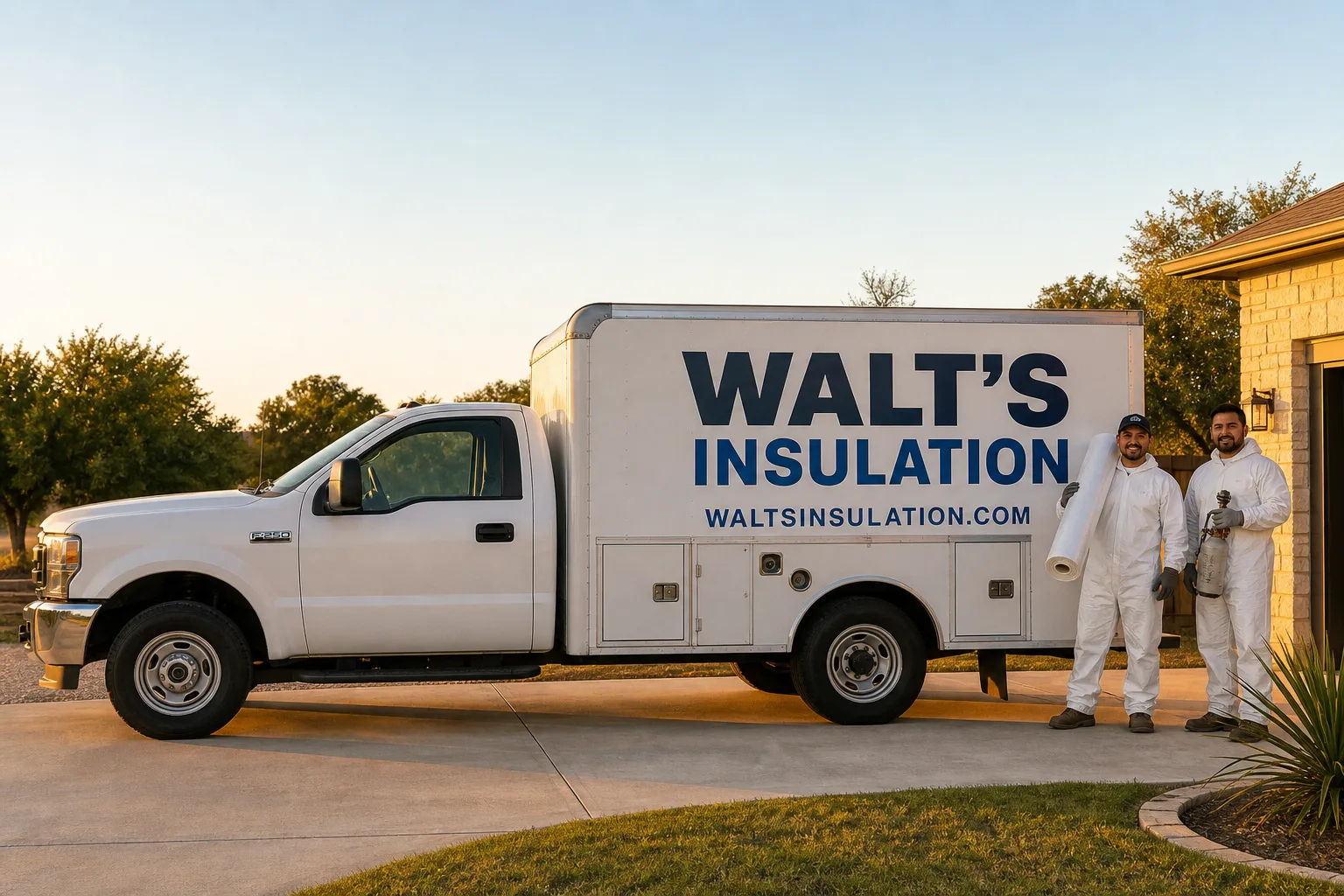
Walt Brenner started this company in 2000, and we’re still locally owned and owner-operated. We’re not a franchise and not a call center. Every job carries the Done Right Promise: if it’s not done right, we make it right, no runaround. Our installers are background-checked and uniformed, so you know exactly who’s walking into your house. And when you call our number, a real person answers, 24/7. No voicemail, no answering service, no “press 2 for existing customers.”
We also serve all of Little Canada with no trip charge inside our service county. If another company has already quoted you, bring it to us. We’ll give you a free second opinion on any written estimate, and we’ll show you where the other guy got it wrong or where he’s padding the job.
Our Attic Insulation Services in Little Canada
The right insulation for your attic depends on how the house was built. In Little Canada, that almost always means working around shallow rafter bays, compressed eave lines, and original batts that gave up years ago. Here’s what we handle most often. Our full Attic Insulation team covers all of it.
Blown-In Attic Insulation
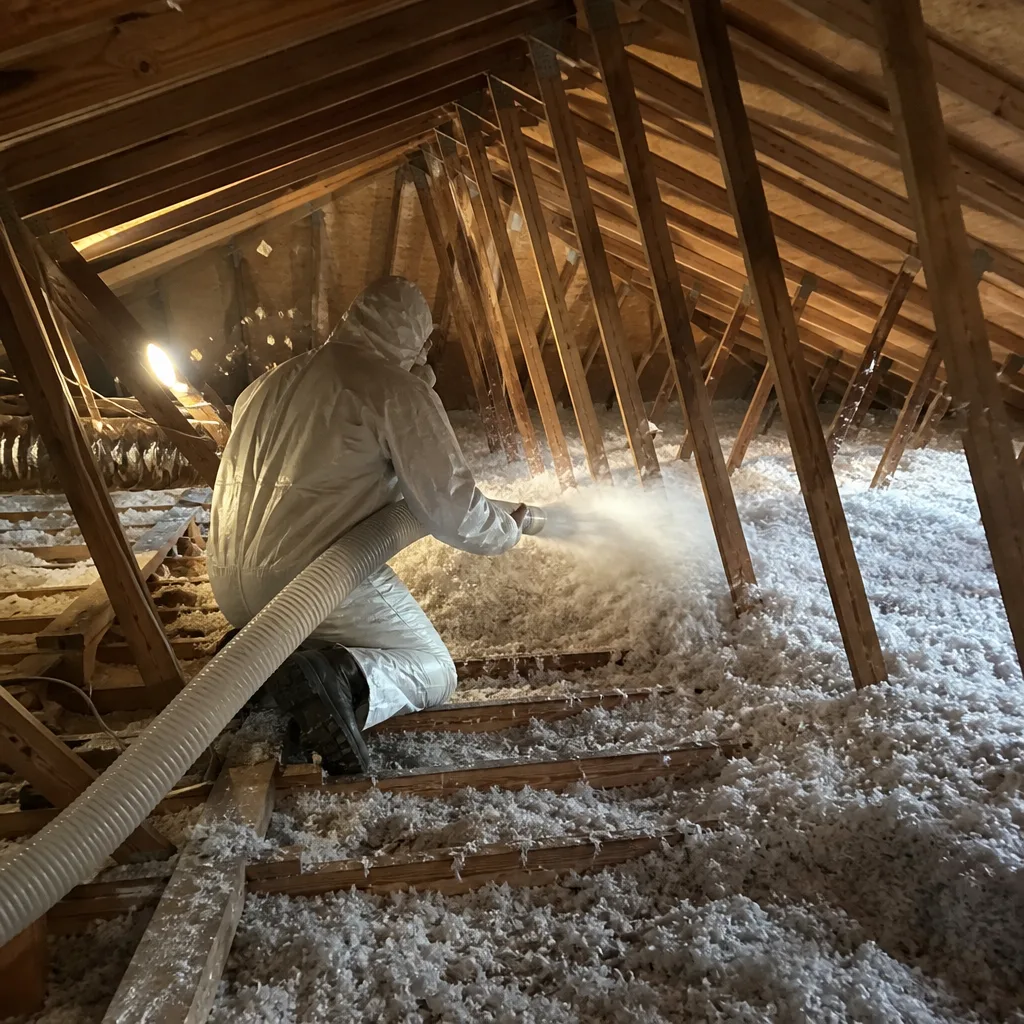
Blown-in cellulose is the workhorse for Little Canada attics. We typically blow GreenFiber cellulose to an effective R-60 across the attic floor, which brings most 1950s-to-1970s homes up to current Zone 6 standards. The material settles slightly over the first few weeks, so we calculate for that and top off as part of the original install. In most Little Canada ramblers, a full blow-in job takes less than one day.
Attic Batt Insulation
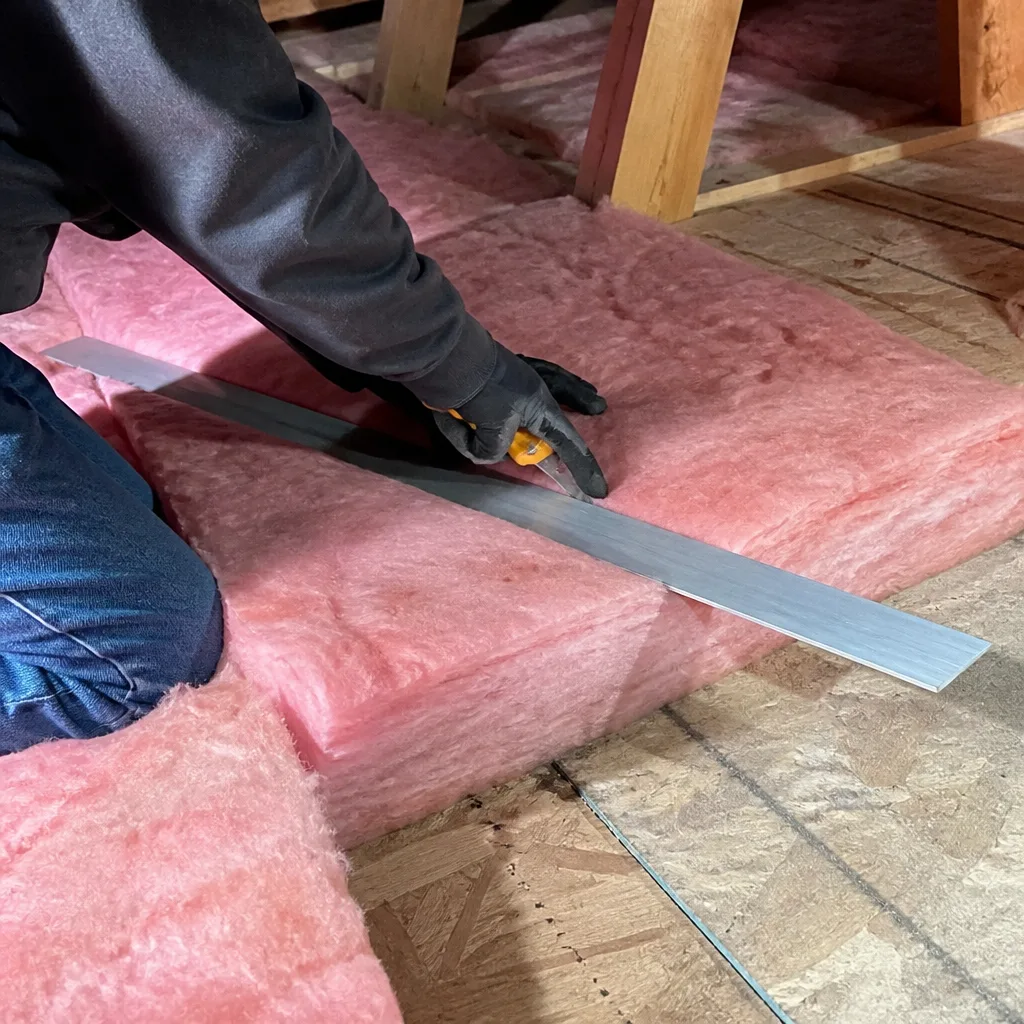
Fiberglass batts still have their place, particularly in attics with deep, consistently spaced rafter bays. When we use batts in Little Canada, we prefer Owens Corning or Johns Manville products because they hold their loft better than cheap off-label fiber. We never pack batts into eave cavities where the rafter depth pinches to nothing; that’s how ice dams get their start.
Attic Insulation Top-Up
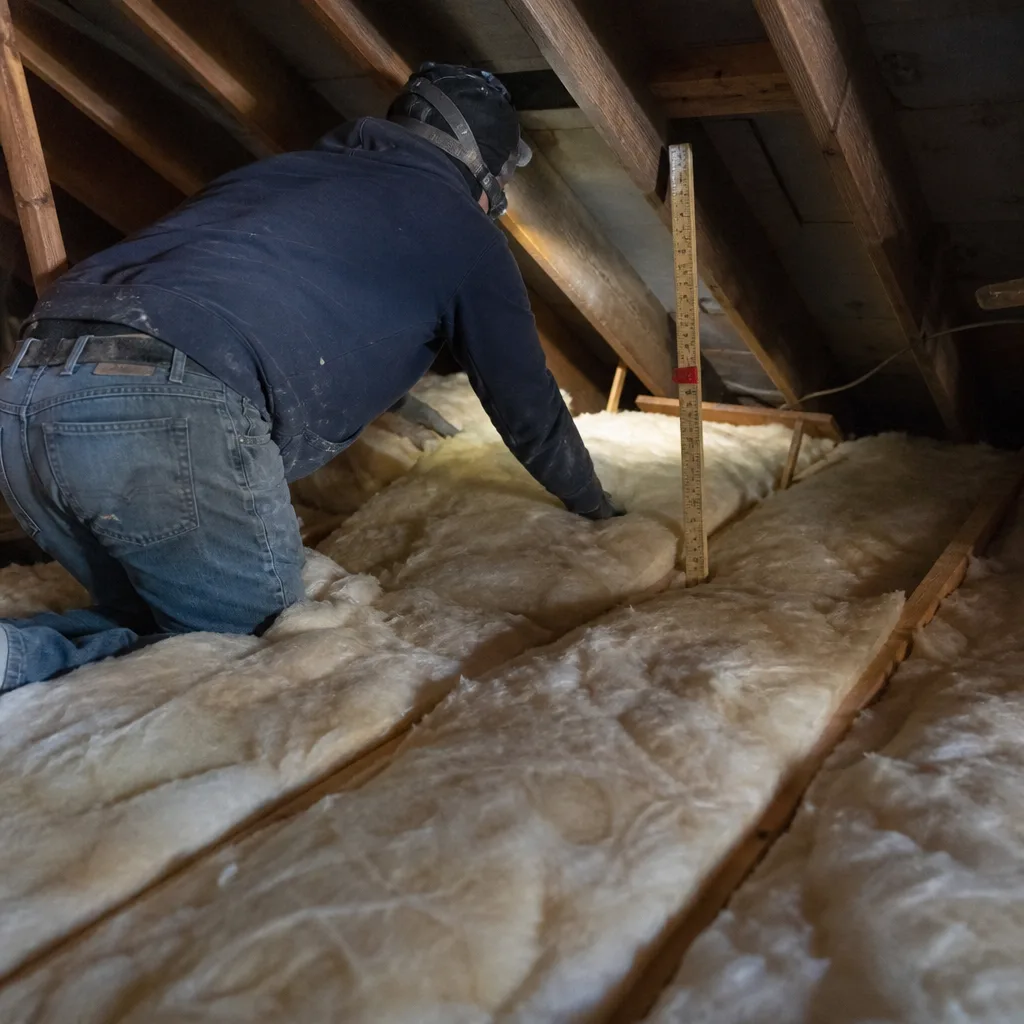
If you already have some insulation but it’s settled or thin, a top-up is the most cost-effective move. We don’t remove what’s working; we add on top, often blowing cellulose over existing batts that still have some life in them. A typical top-up in a Little Canada split-level runs $900 to $1,600, depending on attic size and access. You get the R-value you need without paying for removal you don’t need.
Attic Insulation Replacement
When batts are dust-laden, water-stained, or compressed beyond recovery, replacement is the honest answer. In 1960s ramblers, we routinely find original fiberglass compressed to under 2 inches at the eave line, which means it’s doing essentially nothing. We remove the dead material, air-seal the top plates with Demilec spray foam, install vent baffles, and blow in fresh insulation to full depth. That’s a complete reset, not a patch.
What happens when you call
- 1
A real person answersNo phone trees - you reach a local pro.
- 2
You get an upfront price rangeHonest numbers before anyone is dispatched.
- 3
A background-checked tech heads outLicensed & insured, dispatched right away.
- 4
You approve before work beginsNothing starts until you say go.
Attic Baffles and Ventilation Prep in Little Canada
This is the step most contractors skip, and in Little Canada it’s the step that matters most. Your rambler’s shallow roof pitch means the soffit-to-rafter transition is tight. If vent baffles are missing, collapsed, or never installed, soffit airflow stops. The attic becomes a still, cold zone, and frost forms on the underside of the roof deck. That frost melts, refreezes, and becomes the ice dam sitting on your gutter every February.
In Little Canada, we treat baffles as part of nearly every blown-in job, not an add-on. We install vent baffles at every rafter bay before any insulation goes in, then air-seal the top plates so warm indoor air can’t leak into the attic. On a 1962 rambler in the Gervais Lake neighborhood, our crew found the original fiberglass batts compressed to under 2 inches at the eave line. That cold spot had caused recurring ice dams along the front gutter. We removed the failed batts, installed baffles to keep airflow moving at the shallow rafter tails, sealed the top plates with Demilec spray foam, and blew in GreenFiber cellulose to an effective R-60. The homeowner’s first winter after that: no icicles, no roof-edge staining. That’s the result we aim for on every Little Canada job.
Trusted Brands We Install in Little Canada
We stock and install products from manufacturers we trust: Owens Corning, GreenFiber, Demilec, and Johns Manville. These aren’t generic materials. GreenFiber cellulose has a Class 1 fire rating and performs reliably in Minnesota’s cold-soaked attics. Demilec spray foam gives us an air-sealing layer that stops the stack effect that pulls warm air into your attic in January. Because we keep these materials in local stock, turnaround for Little Canada jobs stays fast. You won’t wait two weeks for a pallet of batts to arrive from a warehouse in another state.
Common Attic Insulation Problems We See in Little Canada Homes
- Eave compression in 1960s ramblers: The rafter depth at the eave line is often 4 to 6 inches shallower than in the center of the attic. Original batts get crushed there, dropping to near-zero effective R-value exactly where the roof is coldest. That’s your ice dam recipe.
- Settled and dust-laden original fiberglass in 1950s split-levels: Over 60-plus years, fiberglass loses loft. What started as R-11 is often functioning at R-5 or less. The attic looks insulated, but the numbers say otherwise.
- Missing or collapsed vent baffles: In shallow-pitch attics, installers often skipped baffles entirely or used flimsy foam ones that collapsed. Without soffit airflow, the whole attic stops ventilating, and frost builds inside the roof deck.
- Air leaks at top plates and ceiling penetrations: In Minnesota Climate Zone 6, air-sealing matters as much as R-value. Warm indoor air carrying moisture escapes into the attic, condenses, and rots sheathing over time. Most Little Canada attics we open have zero air-sealing from the original build.
Pricing for Attic Insulation in Little Canada, MN
Here’s what you can expect to pay in Little Canada. A blown-in attic insulation job on a typical 1,000-to-1,400-square-foot rambler runs $2,400 to $3,800, including baffles and top plate air-sealing. Batt replacement in a split-level attic runs $2,000 to $3,200, depending on rafter spacing and access. A top-up over existing insulation costs $900 to $1,600. Full replacement with removal of failed batts, air-sealing, baffles, and new blown-in insulation runs $3,500 to $5,500. These ranges reflect what we’re actually charging for Little Canada jobs right now. Your exact number depends on attic size, access, and the condition of what’s up there. We also offer $40 off any repair over $200, a free second opinion on any written estimate, no trip charge inside our service county, and a permanent 10% discount for seniors and veterans. Call (866) 751-4428 for a quote. Estimates are free.
We Also Serve Cities Near Little Canada
In addition to Little Canada, our crews work regularly in Minneapolis, Edina, Richfield, and Golden Valley. If you’re just across the border in one of those cities, the same pricing, the same Done Right Promise, and the same live-person answer apply. Call and ask.
Serving Little Canada, MN - Our Local Coverage Area
We’re based in the Little Canada area and know this community well. Use the map below to see our service coverage - if you’re nearby, we can almost certainly help.
FAQs - Attic Insulation in Little Canada
Because the insulation you can see isn’t the insulation that’s working. In a 1960s rambler, the rafter bays pinch down to just a few inches at the eave line. The original fiberglass batts get compressed there to near-zero R-value, even if the center of the attic looks fluffy. That cold eave line lets snow melt at the roof edge and refreeze in the gutter, which is exactly how ice dams form. The fix starts with baffles and air-sealing, not more insulation on top of the problem. Call (866) 751-4428 and we’ll take a look.
Not always. If the batts are still holding their shape and haven’t been water-damaged or mouse-infested, we can blow cellulose right over them. But if the batts are compressed at the eave line, dust-laden, or showing water stains, removal is the right call, because adding insulation on top won’t fix those problems. We’ll tell you honestly what your attic needs after we see it. Estimates are free.
Because Little Canada sits in Minnesota Climate Zone 6, where outdoor temperatures regularly drop to -20°F and heating degree days exceed 8,000. When your house is that much warmer than the outside air, warm indoor air pushes up through every crack and gap in the ceiling. That air carries moisture, and that moisture condenses and freezes in the attic. R-value slows heat loss. Air-sealing stops the moisture movement that causes frost, mold, and sheathing rot. Both are necessary. In fact, sealing first usually gives you a bigger comfort improvement than adding R-value on its own.
Yes, and it’s a price difference you should see coming. Baffles are cheap, but installing them in a shallow-pitch rambler takes labor because the eave cavities are tight. A job without baffles might come in $400 to $700 cheaper up front, but that job will leave your eave line unventilated and your ice dam problem intact. We include baffles in our Little Canada blown-in quotes by default because we know what happens when they’re skipped. A contractor who prices without them isn’t doing you a favor.
The roof pitch and the eave depth. Little Canada ramblers have shallow rooflines, and the rafter tails pinch down fast. That creates eave compression, poor soffit airflow, and a chronic ice dam risk that doesn’t show up as often in the deeper attics of two-stories. The work in Little Canada is more about baffles, air-sealing, and eave correction. The material cost is similar. The labor is different. And a crew that only knows how to blow cellulose into a deep attic will miss the part that matters here.
Talk to a Real Person in Little Canada
If your attic is under-insulated, you already know it. You feel the cold in winter, the frost in the attic, the ice dams on the gutter. Our crews are in Little Canada weekly, and we can get you on the schedule fast. Call (866) 751-4428 for a free estimate. A live person answers, 24/7. No runaround, no pressure, just straight answers from a company that’s been doing this since 2000 and backs every job with the Done Right Promise.
Written by Walt Brenner, Owner at Walt’s Insulation, serving Little Canada and surrounding communities since 2000.