
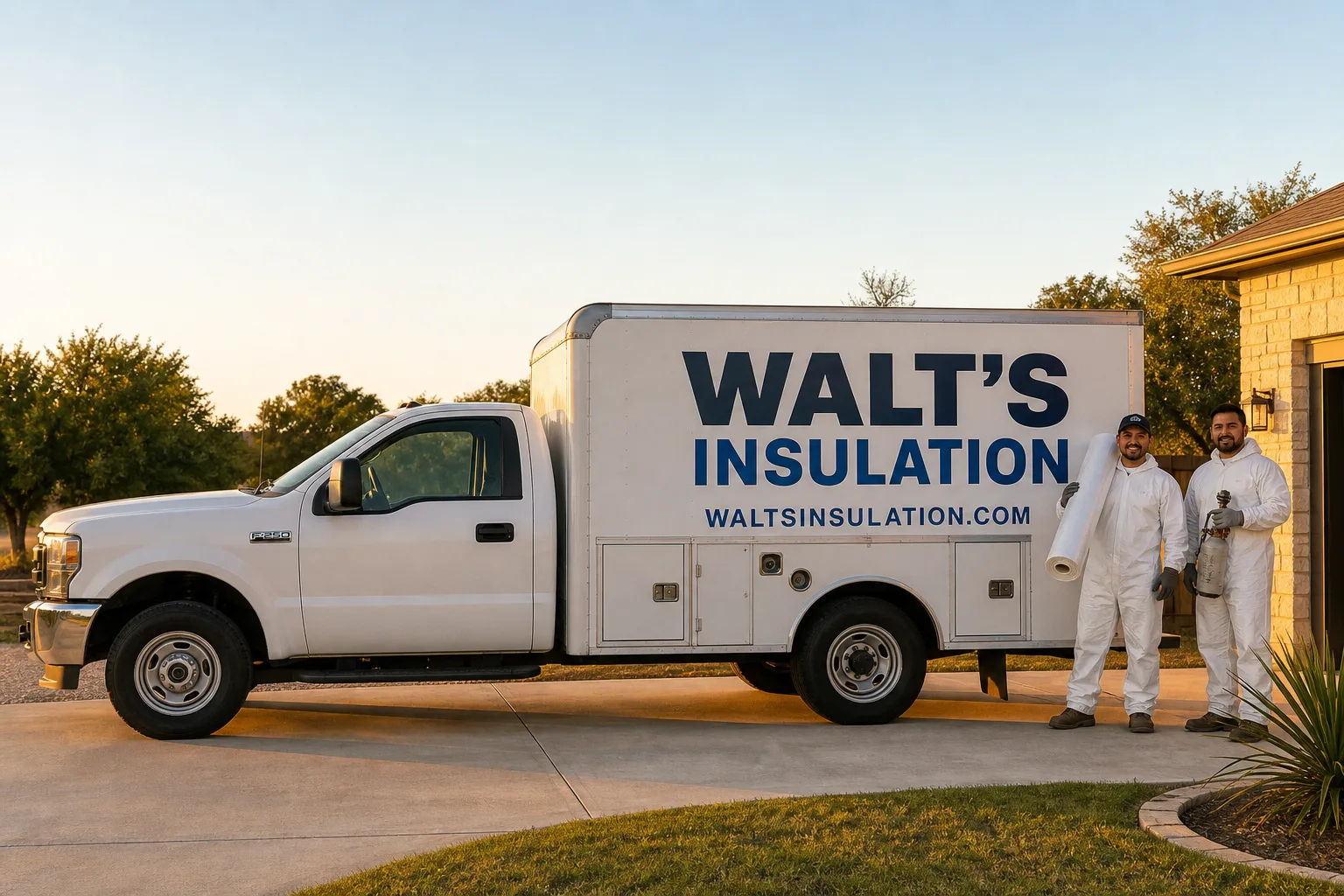
Fast, Reliable Attic Insulation Across Plymouth
Most Plymouth homes built between 1975 and 1995 left the factory floor with attic insulation that wouldn’t pass a Minnesota energy audit today. We’re talking R-19 batts that have settled to R-11, rim joists nobody ever touched, and cathedral ceilings packed solid with fiberglass and no ventilation channel. That’s why we stock the trucks for Plymouth jobs specifically: GreenFiber cellulose, Owens Corning batts, baffles, sealant. Walt’s Insulation has been fixing these exact houses for over 25 years. Call (866) 751-4428 and a live person answers. Not a call center. Us.
If you want Attic Insulation done by a crew that knows a 1984 Parkers Lake two-story from a 1992 Kingsview split-level, you’re in the right place.
Key takeaways:
- Plymouth attics built 1975-1995 typically need top-up to R-49 or R-60, not just another layer of R-19.
- Air-sealing the rim joists matters as much as the insulation itself in Climate Zone 6.
- Cathedral ceilings in 1980s Plymouth homes all too often hide moisture damage. We inspect before we quote.
- Free second opinion on any written estimate. No trip charge in our county. 10% off for seniors and veterans, always.
Why Walt’s Insulation Is Plymouth’s Preferred Attic Insulation Company
We’re the one down the road. Locally owned and owner-operated since 2000, with a published address and license number. Walt Brenner started this company because he got tired of watching homeowners pay national chains for rushed installs and then get ghosted when something went wrong. That hasn’t changed.
Every Plymouth job gets a background-checked, uniformed technician who arrives when we say he will. The phone rings to a live person at 3 a.m. if that’s when you call. And every job, without exception, is covered by the Done Right Promise: if it’s not done right, we make it right. Lifetime workmanship. No runaround, no fine print.
Plymouth homeowners deal with a specific set of problems: original R-19 attics, tuck-under garages with bare ceiling joists, and vaulted ceilings that ice-dam every February. We see these weekly. When a tech walks your attic in Plymouth, he already knows what he’s likely to find before he opens the hatch. That’s not something a franchise installer from out of state can say.
Our Attic Insulation Services in Plymouth
Blown-In Attic Insulation
For most Plymouth attics built in the 1970s through the early 1990s, blown-in cellulose or fiberglass is the fastest path to R-49 or R-60. We blow GreenFiber cellulose or Owens Corning fiberglass over existing batts after air-sealing the ceiling plane. The material fills odd cavities, settles into corners, and covers the thermal bypasses that leave cold spots over bedrooms and bathrooms. In Plymouth’s open western sections, where wind pushes through rim joist gaps, that full-coverage approach matters.
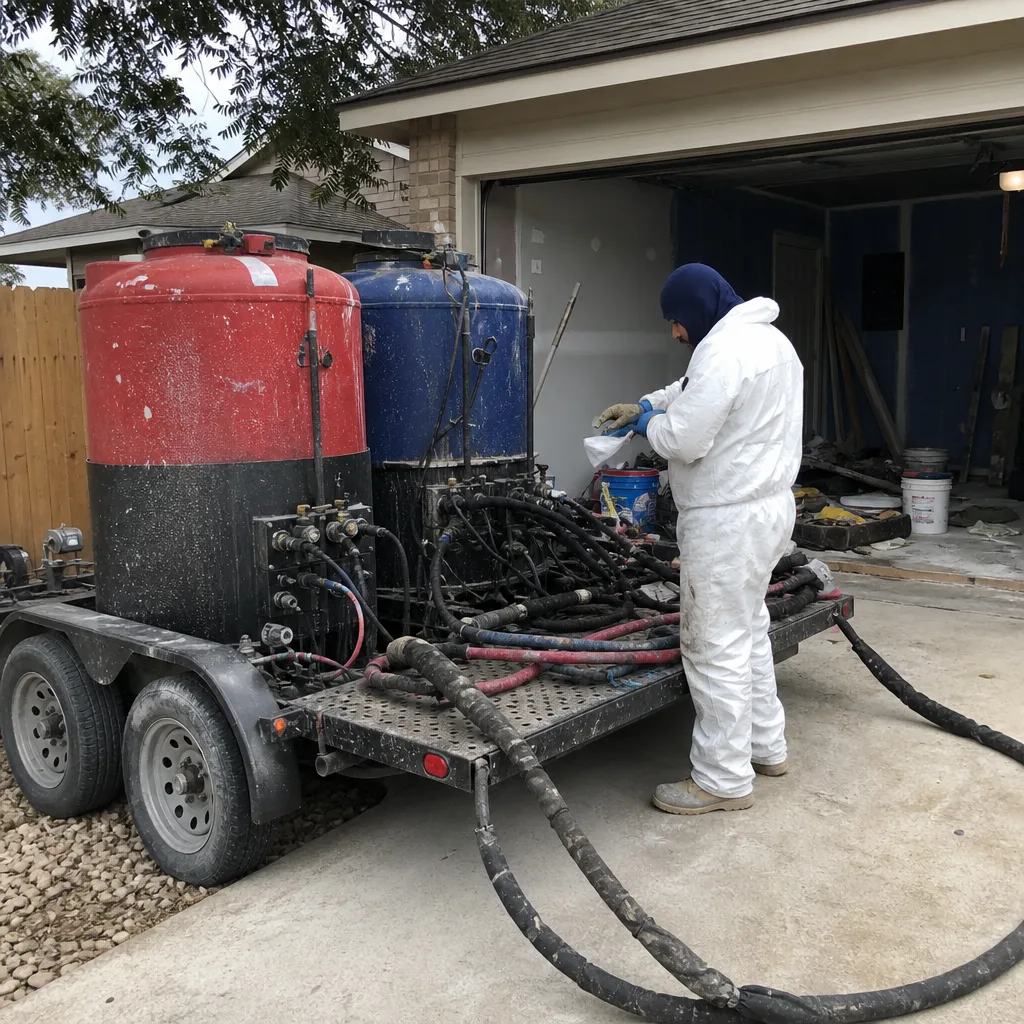
Attic Batt Insulation
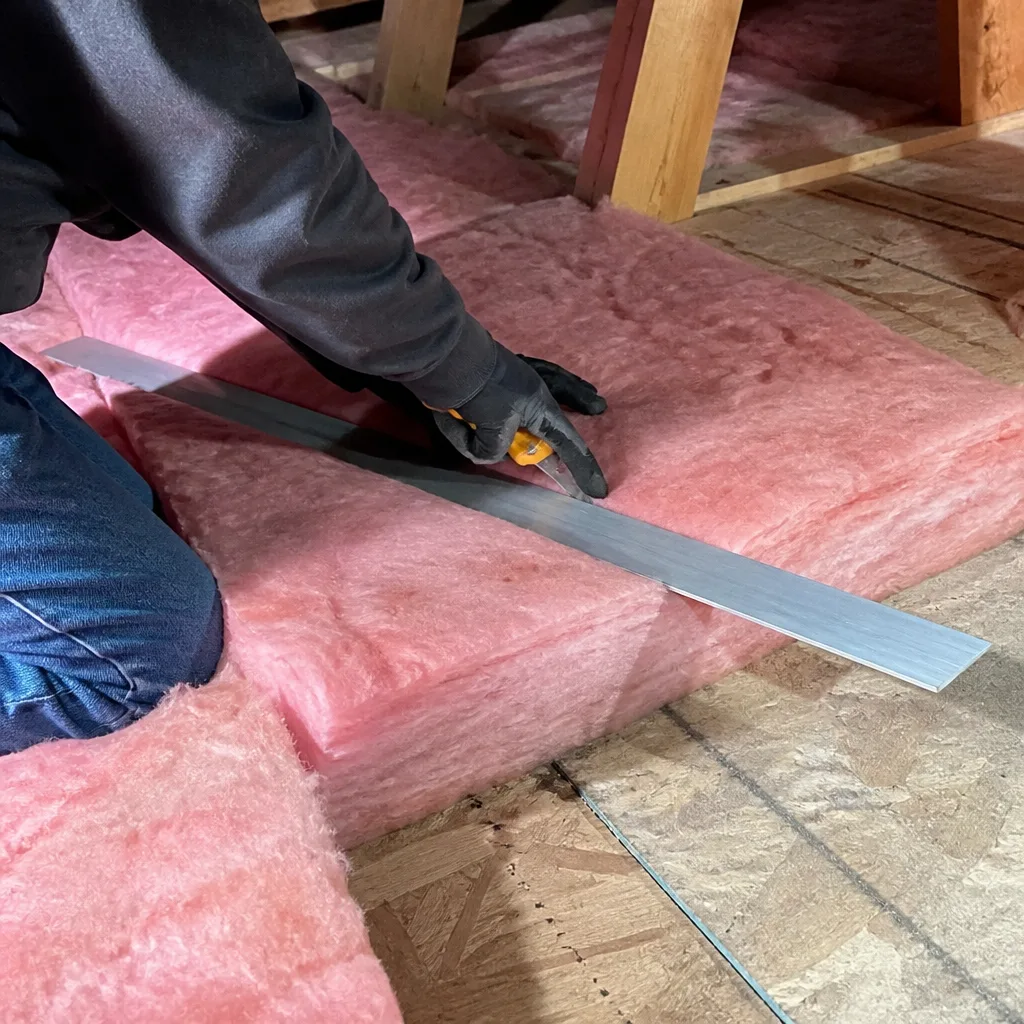
Batts still make sense for certain Plymouth attics: open rafter bays with full-depth access, garage ceilings, or sections where future access is likely. We install Owens Corning and Johns Manville batts at code depth, not the R-19 the original builder stapled in. For tuck-under garage ceilings specifically, batts paired with air-sealing keep the bedroom above from turning into a walk-in freezer every January.
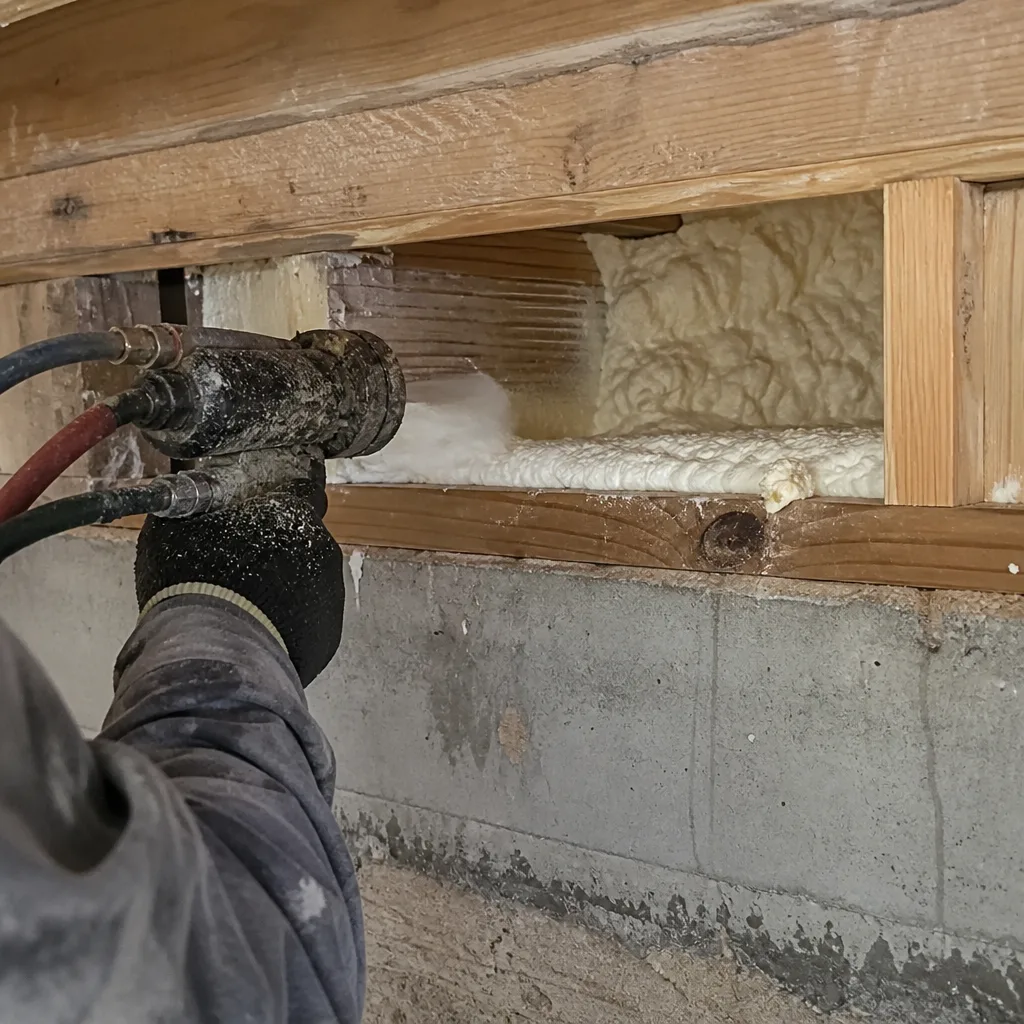
Attic Insulation Top-Up
If your Plymouth home still has its original 1980s fiberglass batts, they’ve settled. What was R-19 at install is now R-11 to R-13 in most cases, and that’s before we account for the gaps at every joist bay. A top-up to R-49 or R-60 costs less than a full replacement and solves most heat-loss complaints. We inspect the existing material first, because if it’s compressed, wet, or rodent-damaged, we’ll tell you straight: top-up isn’t enough.
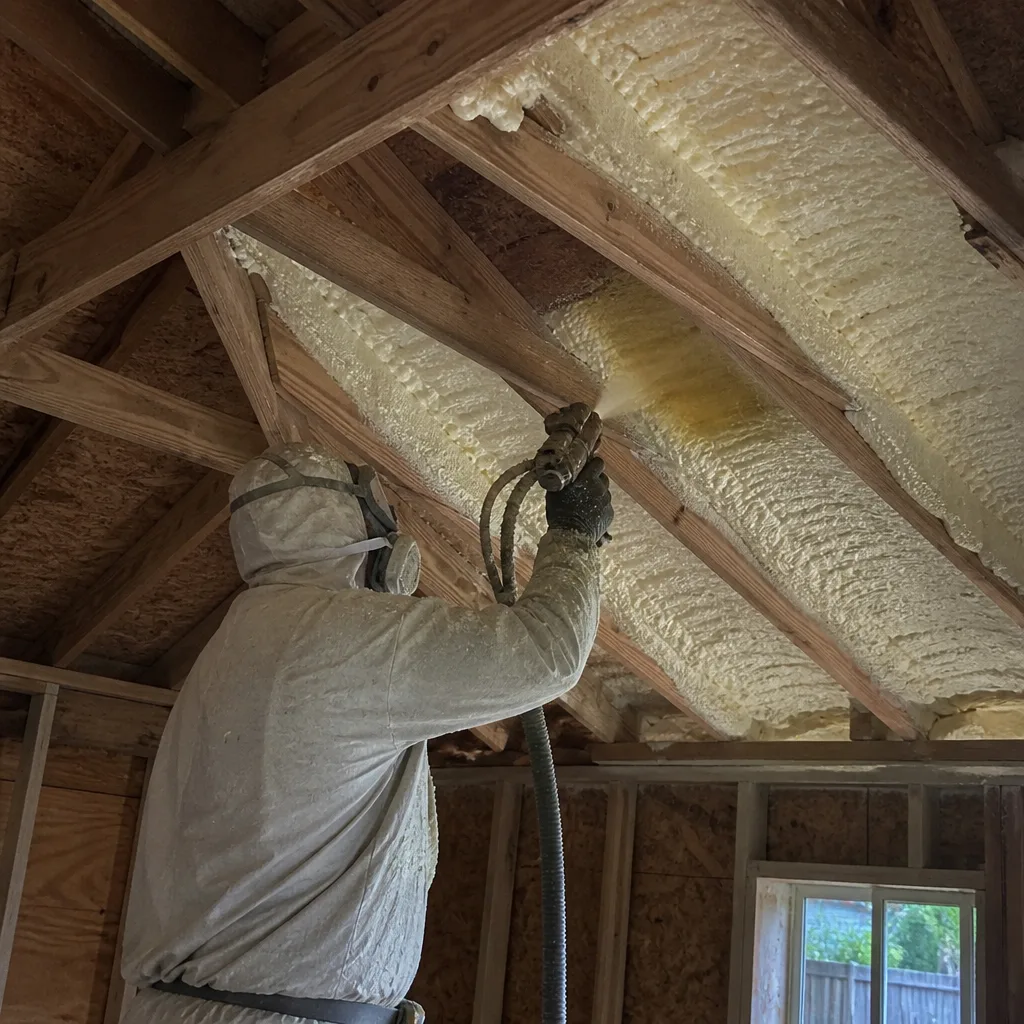
Attic Insulation Replacement
When insulation is water-stained, packed with mouse droppings, or compacted beyond recovery, replacement is the honest answer. We remove the old material, sanitize where needed, air-seal, and install fresh insulation to current Minnesota code. This is common in Plymouth homes with roof leaks that went unnoticed for years or long-standing ice dam damage at the eaves. The difference in winter comfort after a full replacement is noticeable within the first week.
What happens when you call
- 1
A real person answersNo phone trees - you reach a local pro.
- 2
You get an upfront price rangeHonest numbers before anyone is dispatched.
- 3
A background-checked tech heads outLicensed & insured, dispatched right away.
- 4
You approve before work beginsNothing starts until you say go.
Trusted Brands We Service in Plymouth
We install products from manufacturers that have stood behind their material for decades: Owens Corning, GreenFiber, Johns Manville, and Demilec when spray foam is the right call. Because Plymouth work is a huge part of our week, our trucks carry the common materials for these jobs, which means shorter lead times and fewer “we’ll have to order that” conversations. You get a straight answer about what’s going in your attic and why, not a vague promise about “quality materials” with no name attached.
Ready to get your attic fixed? Call (866) 751-4428. A live person picks up.
Common Attic Insulation Problems We See in Plymouth Homes
- Settled and compressed 1980s R-19 batts. Original fiberglass loses loft over 35 to 45 years. Most Plymouth attics we enter are running at R-11 to R-13 effective resistance, which is roughly half of what current code requires.
- Uninsulated rim joists along the sill plate. Plymouth’s flatter, more open western sections let winter wind drive straight into basement walls through rim joist cavities. Frozen pipes and cold floors in rooms above garages trace back to this gap.
- Cathedral ceilings packed solid with no vent baffles. Builders in the 1980s stuffed rafter bays full of fiberglass and called it done. No air channel means trapped moisture, mold on the sheathing, and the recurring ice dams Kingsview and Parkers Lake homeowners report every January and February.
- Tuck-under garage ceilings with zero insulation. The garage itself may be unheated, but the bedroom above it isn’t. Bare joists and drywall between a cold garage and a heated room pull heat out of the living space and make those floors perpetually chilly.
Pricing for Attic Insulation in Plymouth, MN
Here’s what Plymouth homeowners can expect to pay in 2026. A basic attic top-up over existing insulation in a typical 1,800 to 2,400-square-foot house runs $1,200 to $2,600 depending on depth and access. A full attic insulation replacement with removal of old material, air-sealing, and new R-49 blown-in runs $3,500 to $6,800. Air-sealing rim joists as a standalone job in an unfinished basement typically costs $900 to $1,800. Cathedral ceiling repair with baffle installation and re-insulation runs $2,000 to $4,500 per ceiling section because it often involves opening drywall and addressing moisture damage. Every quote is itemized before we start. No surprises after the fact.
Call (866) 751-4428 and we’ll give you numbers specific to your house. Estimates are free. We also offer $40 off any repair over $200 and a free second opinion on any written estimate from another contractor.
We Also Serve Cities Near Plymouth
Our crews work Attic Insulation in Plymouth every week, and we extend the same service to Minneapolis, Edina, Richfield, and Golden Valley. If you’re in one of those cities, the process is identical: live-person phone answer, background-checked tech, Done Right Promise on every job. Call (866) 751-4428.
Serving Plymouth, MN - Our Local Coverage Area
We’re based in the Plymouth area and know this community well. Use the map below to see our service coverage - if you’re nearby, we can almost certainly help.
FAQs - Attic Insulation in Plymouth
Plymouth sits in Climate Zone 6 with design lows around -16°F, which means your attic needs R-49 to R-60 effective insulation, not the R-19 many 1980s homes still have. At those temperatures, even small gaps in the ceiling plane create dramatic cold spots, and rim joist leakage can drop interior wall cavities below freezing. That’s why we always pair insulation with air-sealing on Plymouth retrofits. Call (866) 751-4428 for an assessment specific to your house.
Ice dams on cathedral ceilings almost always trace back to two problems: no ventilation channel behind the insulation, and air leaks from the living space below. In Plymouth’s Kingsview and surrounding 1980s neighborhoods, builders packed rafter bays solid with fiberglass, which traps moisture and rots sheathing over time. The fix is to open the ceiling from below or above, install baffles, air-seal, and re-insulate to modern depth. This is not a quick fix, but it’s the only one that actually stops the dams. Call (866) 751-4428 and we’ll inspect before recommending anything.
Yes, especially if there’s living space above the garage. The garage ceiling is part of your home’s thermal envelope when a bedroom or family room sits on top of it. We were called to a 1984 two-story off Nathan Lane near Parkers Lake where the master bedroom floor above the tuck-under garage stayed stubbornly cold. Our crew found the garage ceiling completely uninsulated – just bare joists and drywall. We air-sealed the rim joists and blew in R-49 GreenFiber cellulose. The homeowner later reported the bedroom finally held steady at 68°F even when the outside temp dropped to -16°F. That’s a typical Plymouth fix. Call (866) 751-4428 to schedule yours.
In most cases, yes – if the existing batts are dry, uncompressed, and free of rodent damage. We inspect the existing material first. If it’s water-stained, packed with mouse droppings, or compressed to nothing, we’ll recommend removal and replacement instead. Over a settled R-11 batt, adding R-38 of blown-in gets you to roughly R-49 total, which meets current code. Call (866) 751-4428 and we’ll give you an honest read on what your attic actually needs.
Because blown-in material fills the irregular cavities, joist bays, and thermal bypasses that batt insulation leaves open in older Plymouth construction. 1980s attics have odd corners, shallow rafter tails, and inconsistent joist spacing. Blown-in GreenFiber cellulose or Owens Corning fiberglass conforms to all of it, eliminating the cold gaps that cause heat loss and ice dams. For open, accessible attics with full-depth rafter bays, batts still work fine, and we’ll tell you when that’s the better call. Call (866) 751-4428 for a free estimate and we’ll explain what’s best for your house.
Written by Walt Brenner, Owner at Walt’s Insulation, serving Plymouth since 2000.